The Day Two Seas Became One: The Suez Canal Opens
On November 17, 1869, the Suez Canal opened with lavish ceremony at Port Said, joining two seas and cutting weeks off every voyage between Europe and Asia.
It took ten years to dig, cost a small fortune in treasure and lives, and when it was finally finished, they threw the most extravagant party the nineteenth century had ever seen.
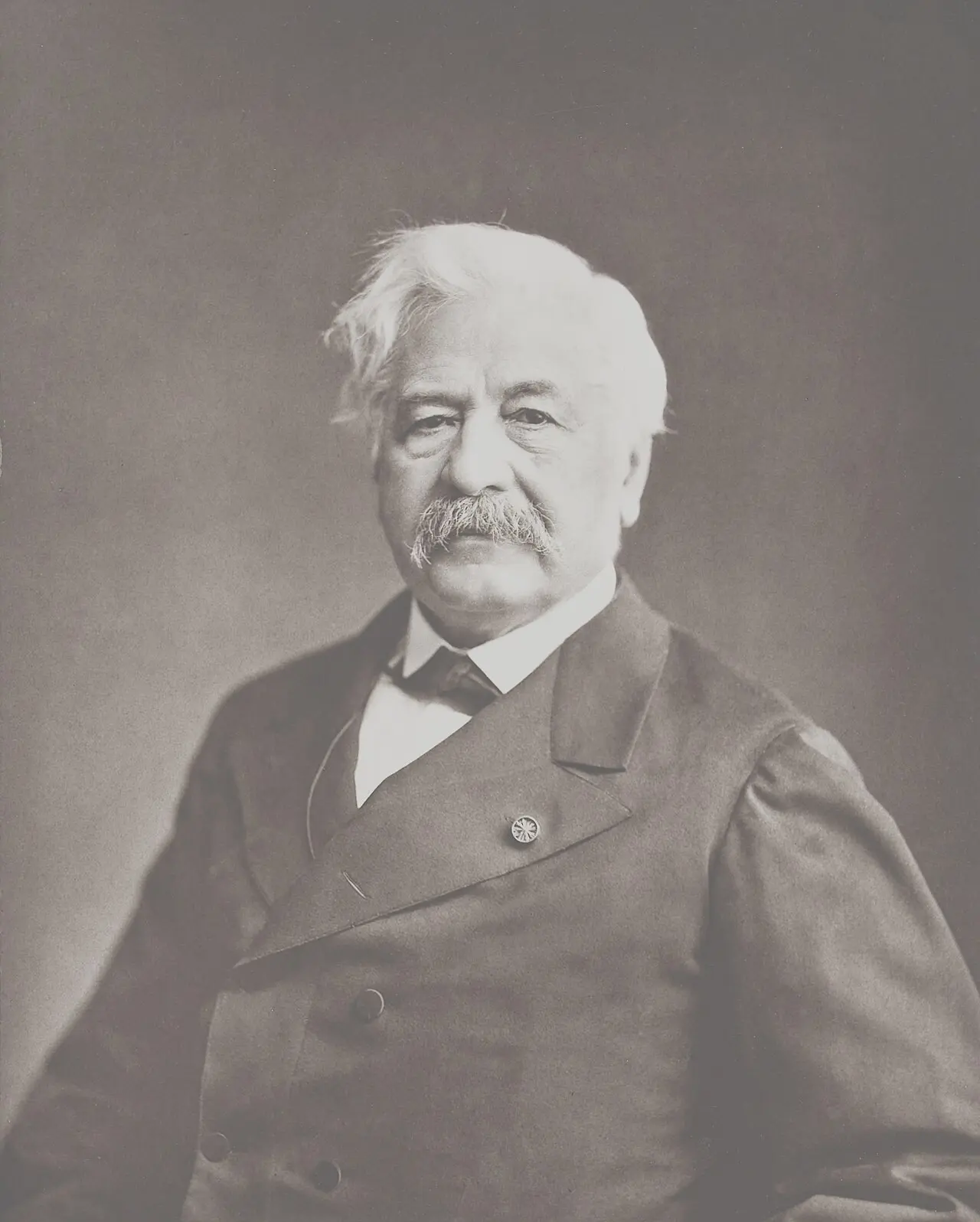
Ground was broken in April 1859, and the dream belonged to Ferdinand de Lesseps, a French diplomat who had spent years convincing everyone that a ship canal could cut straight through the desert of the Suez isthmus. At first the digging was done by hand, with picks and shovels in the hands of drafted Egyptian laborers. Later came European crews with steam dredgers and steam shovels. Cholera swept the camps. Labor disputes and politics stalled the work. But the canal crept forward, mile by mile, until at last the Mediterranean and the Red Sea were joined.
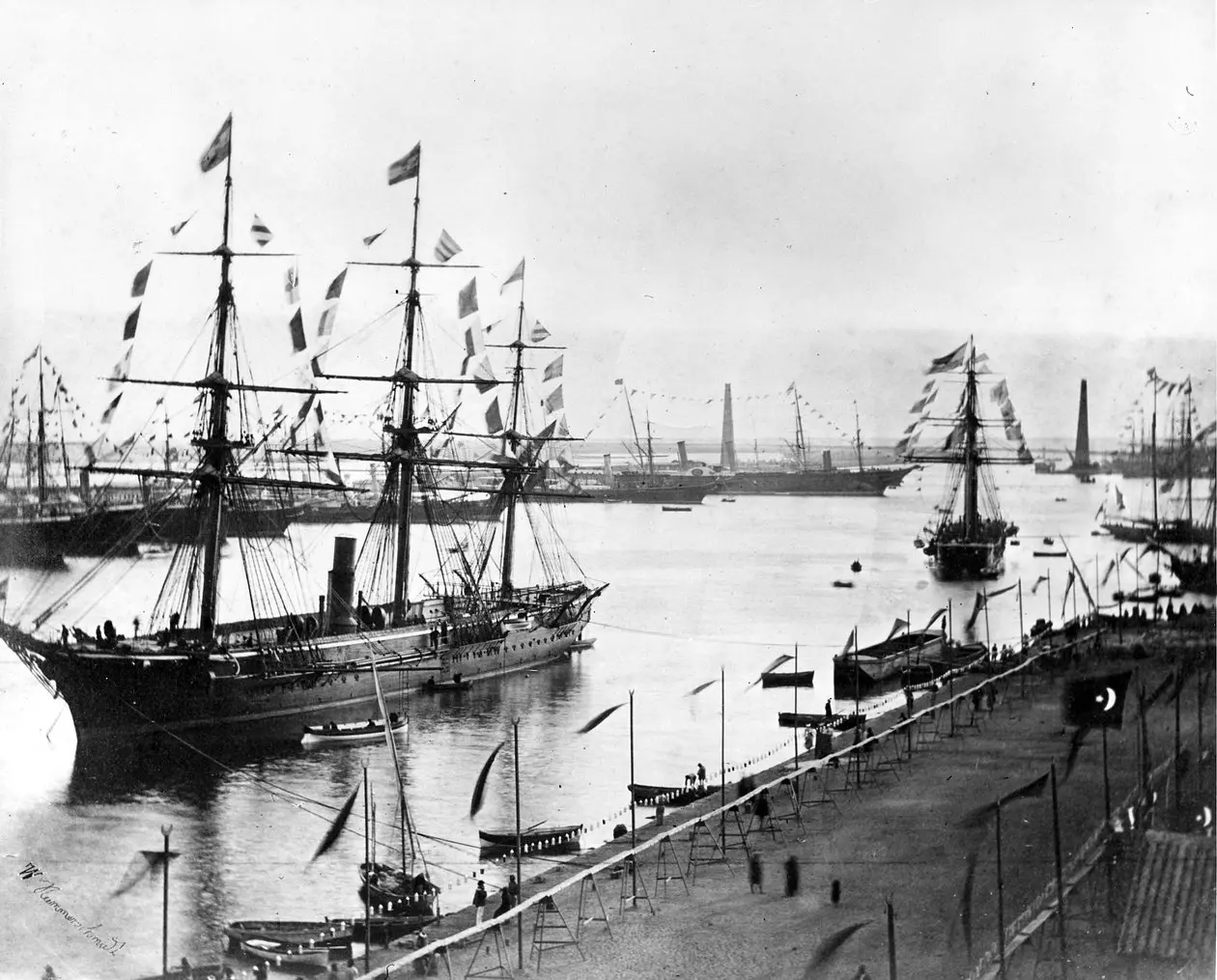
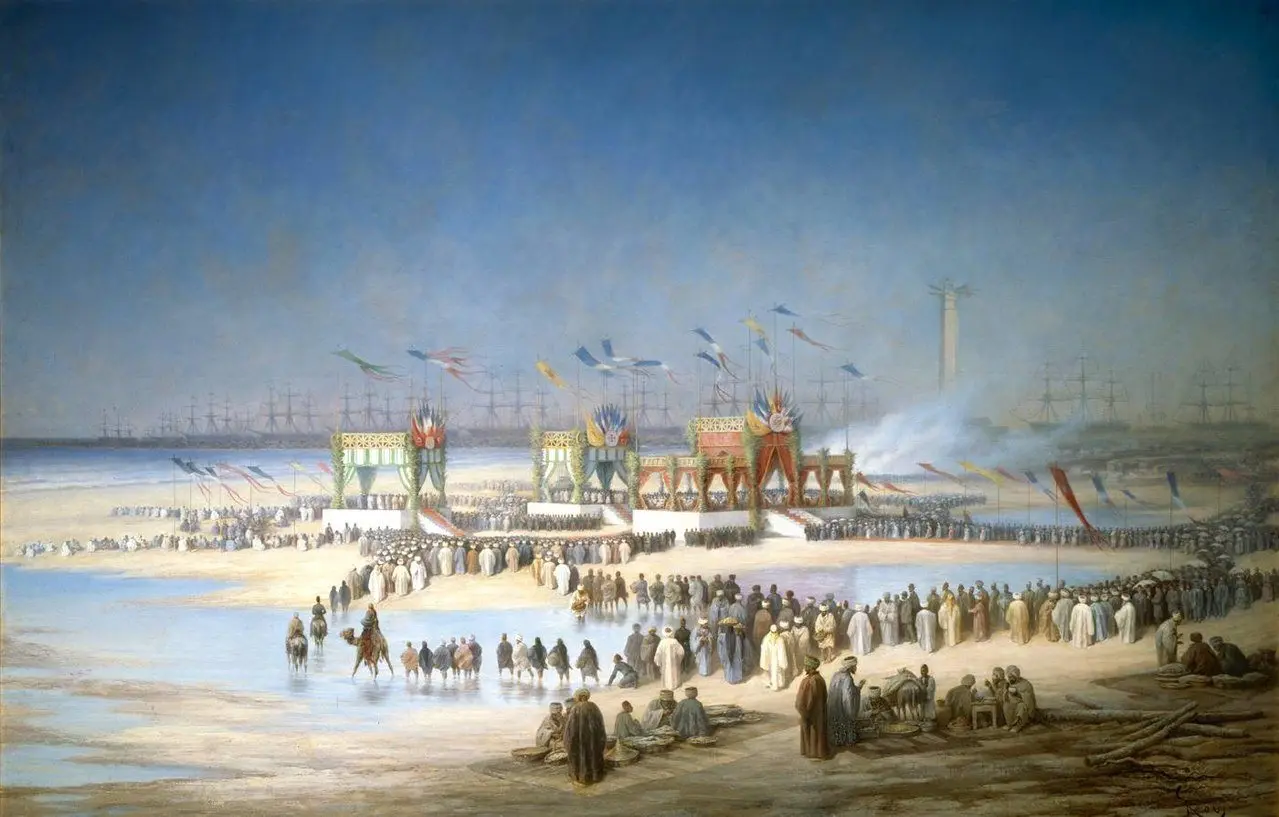
The celebration began at Port Said on the evening of November 15, 1869, with fireworks and a banquet aboard the yacht of Egypt's ruler, Khedive Isma'il Pasha. The next morning the royal guests arrived: Empress Eugénie of France aboard the imperial yacht L'Aigle, Emperor Franz Joseph I of Austria, the Crown Prince of Prussia, and a glittering procession of dignitaries. On the beach, a temporary mosque and a church stood side by side as the canal was blessed in both Muslim and Christian ceremonies — an unprecedented pairing for the era.
On November 17 the canal was officially opened. The imperial yacht L'Aigle led a grand convoy through the new waterway — but not quite first. The night before, the British warship HMS Newport had slipped to the head of the line under cover of darkness, her captain George Nares determined Britain would claim the honor. London officially reprimanded him for it — and quietly congratulated him.
The waterway that opened was modest by today's standards: only 25 feet deep and about 72 feet wide at the bottom, and fewer than 500 ships used it in its first full year. But it did something no one could argue with: it erased the long, dangerous voyage around the Cape of Good Hope, cutting weeks off every trip between Europe and Asia. One popular story isn't true, by the way: Verdi's opera Aida was not written for the opening. He turned the commission down.
Within a few years the canal was one of the busiest shipping lanes on earth, and the scramble to control it reshaped politics for a century — Britain bought Egypt's shares in 1875, and Egypt nationalized the canal outright in 1956. The painting above, by Édouard Riou, the official artist of the festivities, comes from "The Album of the Empress" — proof that the party really was as grand as legend claims.
Photo: Édouard Riou, public domain (via Wikimedia Commons).
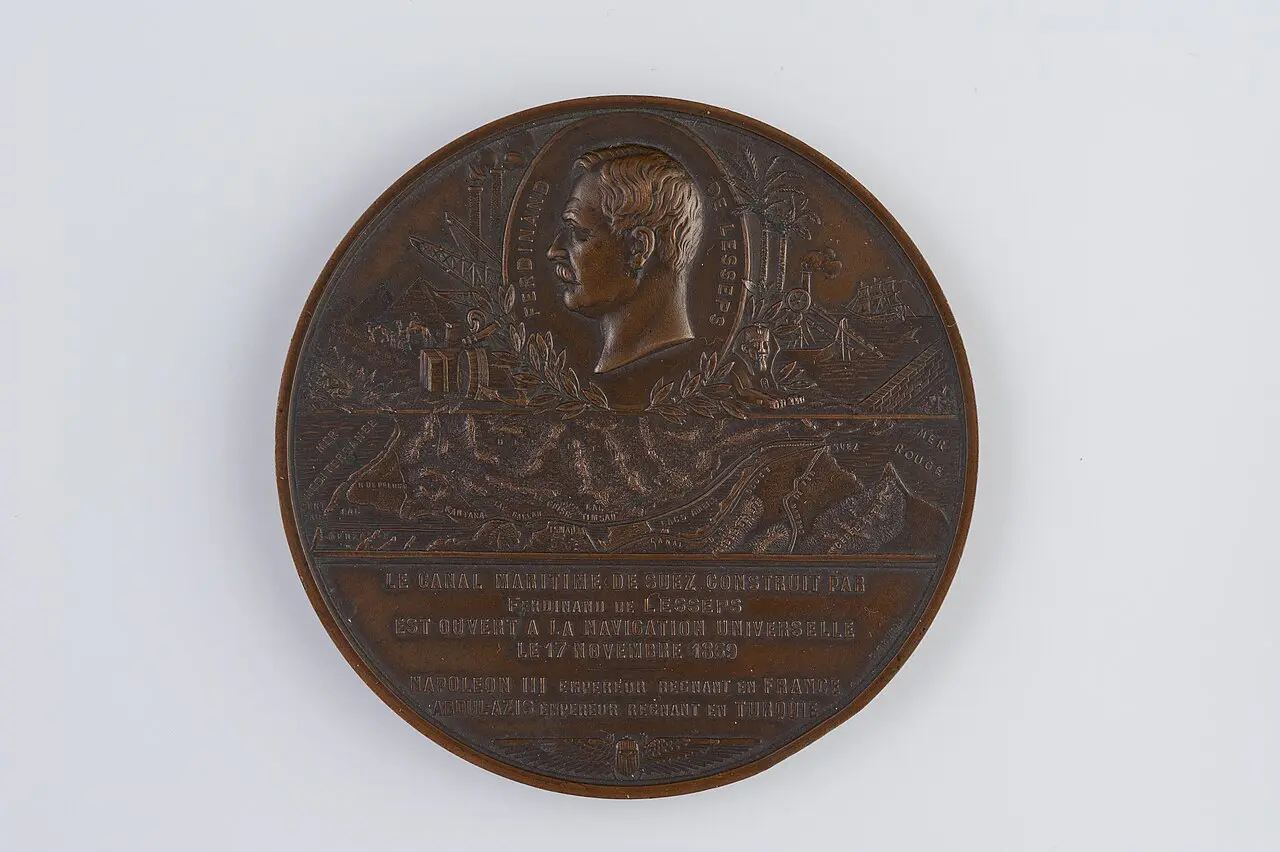
More images (via Wikimedia Commons): the opening of the Suez Canal at Port Said, 1869 (public domain); Ferdinand de Lesseps (Félix Nadar, CC0); a medal commemorating the canal's inauguration (Charles Trotin, CC0).