Twenty-Five Days a Nation: The Bear Flag Revolt
On June 14, 1846, American settlers seized the Mexican outpost at Sonoma and proclaimed the California Republic, raising a homemade grizzly bear flag.
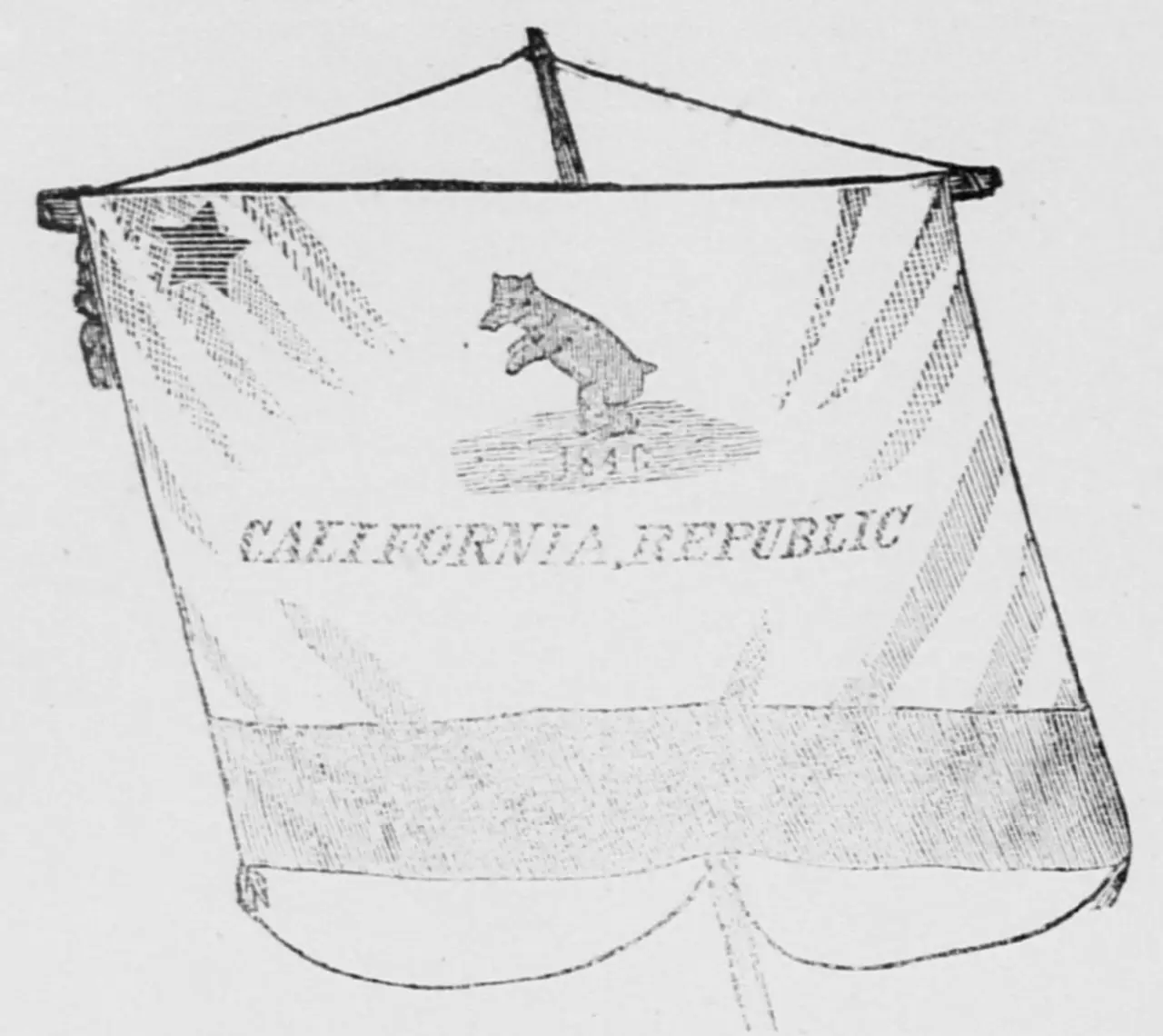
It began before dawn with about thirty armed men, a sleepy Mexican garrison, and a flag painted on a cotton sheet. Within weeks, California would be its own country — for 25 days.
On June 14, 1846, a party of American settlers led by Ezekiel Merritt and William Ide marched on Sonoma, a small town just north of San Francisco Bay in Mexico's Alta California territory. They surrounded the home of the retired Mexican general Mariano Vallejo and declared him a prisoner of war. Vallejo — who actually favored American annexation — was more puzzled than alarmed. He invited the men inside to talk it over with drinks, and after a few hours of increasingly friendly conversation, Ide arrived and arrested Vallejo and his family.
The victory was bloodless, and the rebels wasted no time. They declared California an independent republic, with Ide as its president. Using a cotton sheet and red paint, they improvised a flag: a crude drawing of a grizzly bear, a lone red star borrowed from the flag of Texas, and the words "California Republic" across the bottom. The Bear Flag Revolt had begun.
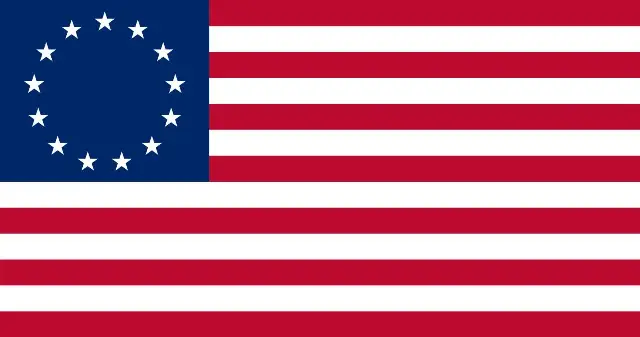
The uprising had been quietly encouraged by U.S. Army Captain John C. Fremont, who was in California on a surveying expedition; he gave the rebels his tacit approval but kept his own soldiers out of the fight. The little republic never built much of a government — the rebels elected military officers but no civil structure was ever established — yet it held the region around Sonoma for about three weeks. Unbeknownst to the Bear Flaggers, the United States and Mexico had already gone to war hundreds of miles to the south. On July 7, U.S. Navy Commodore John D. Sloat sailed into Monterey, seized California's Mexican capital, and claimed the territory for the United States. Two days later, American officers reached Sonoma and raised the Stars and Stripes over the barracks. The California Republic was over after just 25 days — its leaders, who had wanted union with the United States all along, willingly stood down.
The revolt's flag never really died. The original cloth banner was lost in the San Francisco fire of 1906, but its grizzly bear design was adopted as the official flag of the State of California when it joined the Union in 1850. A ragtag uprising that lasted less than a month left its mark on one of the most recognizable state flags in America — still flying over California today.
Image: Sacramento Daily Record-Union, public domain (via Wikimedia Commons).