The Night Niagara Falls Fell Silent (1848)
On March 29, 1848, an ice jam choked the Niagara River at its source, silencing the falls for 30 hours while astonished townsfolk walked the dry riverbed.
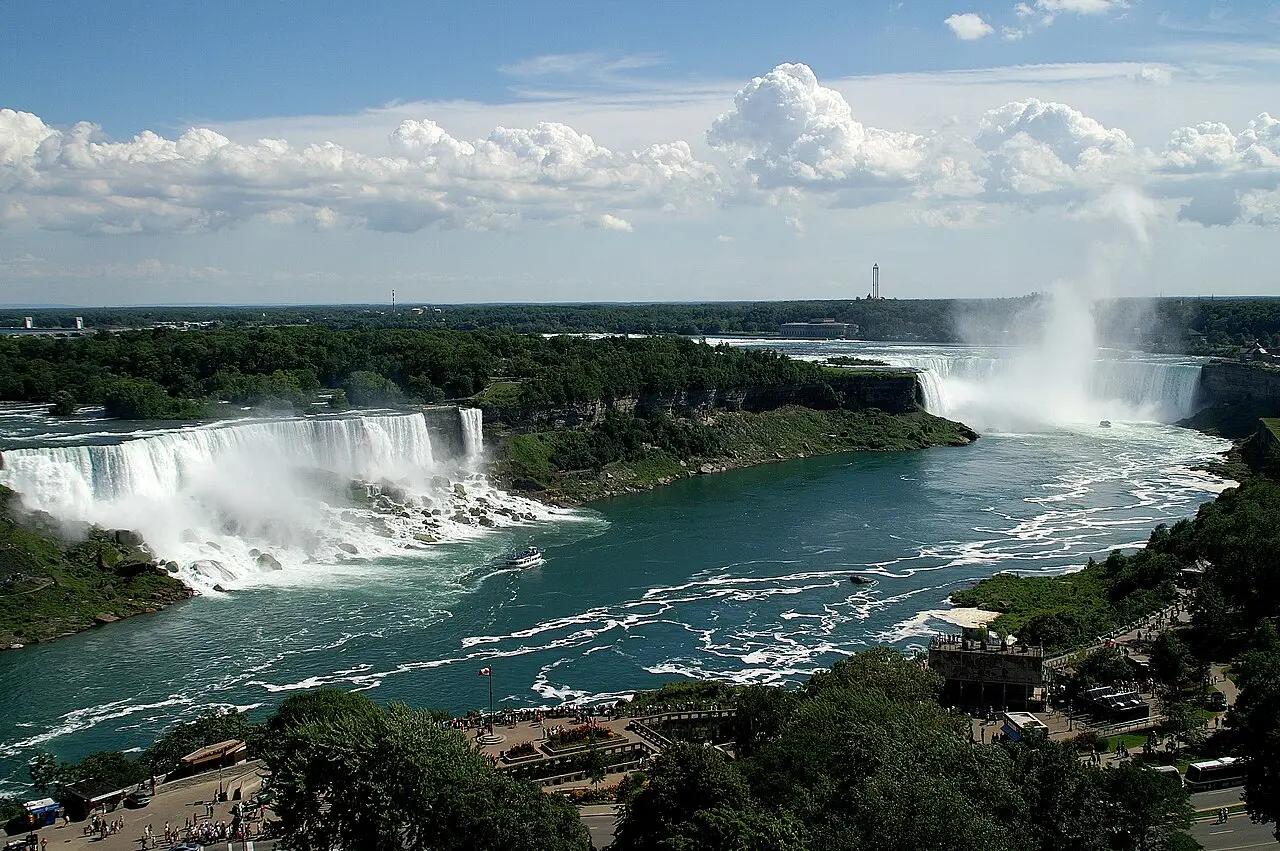
The falls never stop. That is the whole idea of Niagara Falls — three thousand tons of water a second, thundering over the crest day and night, winter and summer, with a roar you can feel in your chest from a mile away.
On the night of March 29, 1848, the roar stopped.
The winter of 1847–48 had been one of the harshest in memory. Lake Erie froze over with unusually thick ice. Then March brought a warm spell, and the great ice sheet began to fracture and break apart. On March 28 and 29, powerful winds swept across the lake, driving mountains of broken ice eastward toward the mouth of the Niagara River, near Buffalo. The floes piled up between Buffalo and Fort Erie, jamming together into a natural dam that choked off the river at its very source.
By midday on March 30, both the American Falls and the Canadian Horseshoe Falls had dwindled to a trickle. For roughly thirty hours, the cataracts were reduced to what one history calls "dripping cliffs." People living nearby were awakened in the night by the eerie silence — the constant thunder they had heard every day of their lives, simply gone. Many walked down to the falls to investigate and found the riverbed exposed.
What happened next sounds like something from a tall tale. Mill wheels downstream stood motionless, their power cut off. Adventurous locals ventured out onto the dry rocks, and some walked clear across to Goat Island on foot. Treasure hunters probed the mud and found muskets, bayonets, and other relics of the War of 1812, lost in the fighting around the river more than thirty years earlier. Workers took the opportunity to demolish boulders that had long made navigation difficult. Others simply stood at the brink, holding torches, staring down into the dry gorge in disbelief. Some, it was said, feared the end of the world.
Then, as suddenly as it had stopped, the ice dam broke. The river roared back to life and the falls resumed their thunder, leaving thousands of witnesses with a story few would ever believe.
It remains the only time in recorded history that the entire falls fell silent by the forces of nature. Engineers made sure it would not happen again: since 1964, an ice boom has been stretched across the outlet of Lake Erie each winter to stabilize the ice and keep another jam from forming. Every winter since, the falls have kept roaring — exactly as they should.
Photo: Saffron Blaze, CC BY-SA 3.0.