
The Day Chad Raised Its Own Flag
On August 11, 1960, the African nation of Chad proclaimed its independence from French rule and stepped onto the world stage.
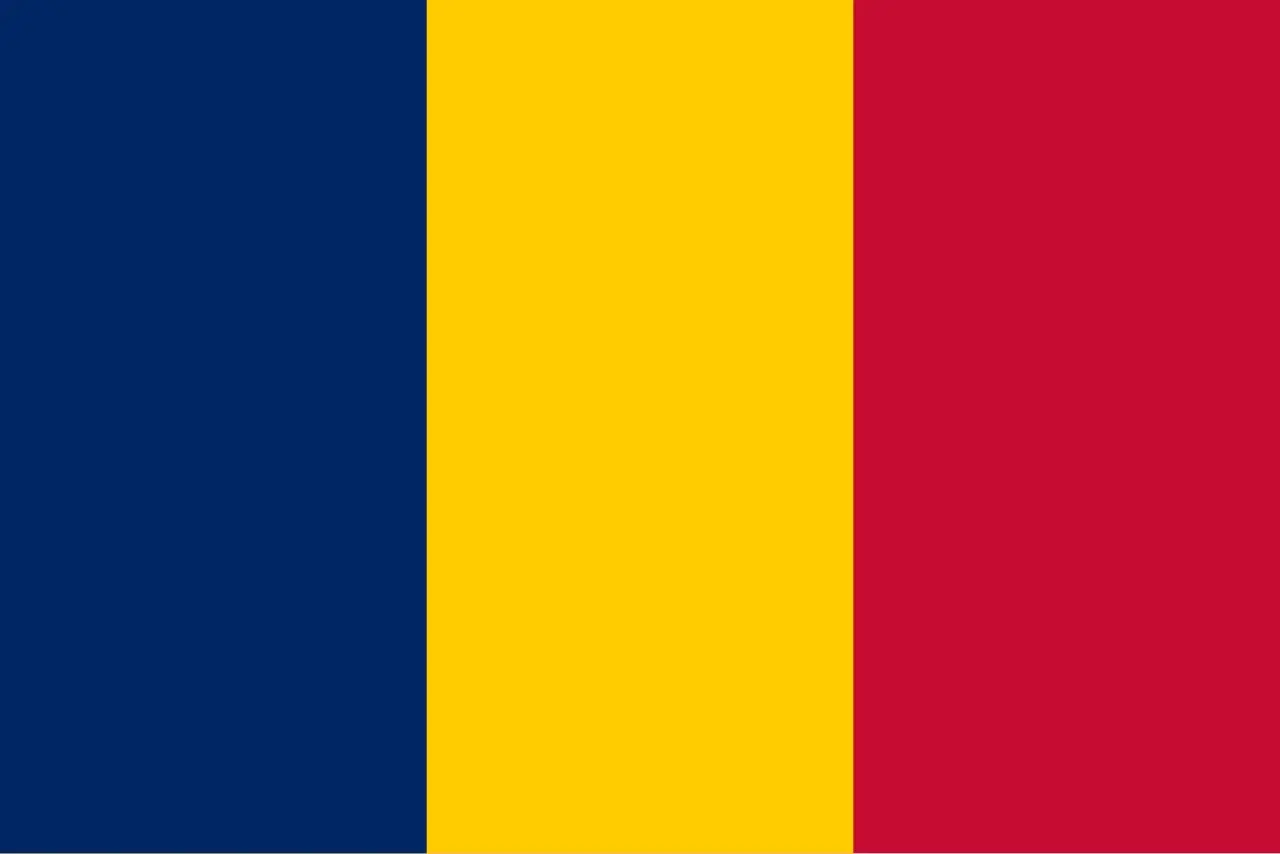
The morning of August 11, 1960, broke over Fort Lamy like any other dry-season dawn — and like no morning before it. This was the day the people of Chad stopped waking up in a French colony and woke up in a country of their own.
Chad's road to that morning had been long. In the last decade of the nineteenth century, France — racing other European powers in the so-called Scramble for Africa — sent military expeditions into the kingdoms of the Lake Chad basin. By 1910 the territory had been folded into French Equatorial Africa, and in 1920 it gained formal colonial status, administered from far-off Brazzaville. For decades, Paris treated Chad mainly as a source of raw cotton, a vast, landlocked territory it ruled loosely and from a distance.
Change came after the Second World War. In 1946 Chad became an overseas French territory with its own parliament and seats in the French National Assembly, and in November 1958 it became an autonomous republic within the French Community. Then, in the sweeping year of 1960 — when more than a dozen African nations claimed freedom — Chad's moment arrived.
On August 11, independence was proclaimed. François Tombalbaye, the former teacher from the country's south who had pushed the independence drive, became the nation's first president. Across the ocean in Washington, President Dwight D. Eisenhower sent a congratulatory message to Tombalbaye, and the United States formally recognized the Republic of Chad that same day. The tricolor flag of blue, yellow, and red — newly the banner of a sovereign state — went up over a nation of more than 200 ethnic groups and 100 spoken languages, earning Chad the nickname "the Babel Tower of the World."
Freedom, however, did not mean peace. The borders France had drawn decades earlier stitched together a Muslim north and a Christian and animist south, and the fault lines cracked open within a few years: civil war broke out in the mid-1960s, followed by decades of conflict, coups, and hardship that stretched well past the twentieth century.
Yet the meaning of August 11 endures. Every year Chad celebrates its independence day with parades, music, and dance — a reminder that a country once ruled as an afterthought of empire decided its own future belongs in its own hands. Chad's story is the story of dozens of African nations born in that remarkable decade: independence is only the first page, and the chapters after it are harder to write.
Photo: SKopp & others, public domain (via Wikimedia Commons).