
Freedom at Midnight
On August 15, 1947, India became an independent nation, ending nearly two centuries of British colonial rule.
As the clock neared midnight on August 14, 1947, the Constituent Assembly of India gathered in New Delhi. Shortly before the hour, Jawaharlal Nehru rose and spoke the words that would echo through generations: "At the stroke of the midnight hour, when the world sleeps, India will awake to life and freedom."
The date itself had been chosen almost on a whim. Britain had originally planned to transfer power by mid-1948, but Lord Mountbatten, the last Viceroy, brought the date forward and announced August 15 at a press conference on June 4, 1947 — the second anniversary, as it happened, of Japan's surrender in the Second World War, a date with personal meaning for him. Hindu astrologers warned the day was inauspicious for celebration, so the transfer was staged at midnight — already August 15 by the Western clock, but still the 14th by the Hindu calendar. A ceremony of pragmatism, politics, and compromise.
Drawing the actual border fell to a man who had never set foot in the country he was dividing. Sir Cyril Radcliffe, a London barrister, was appointed in June 1947 to chair the boundary commissions for Punjab and Bengal and given just five weeks to split two provinces along religious lines. He arrived in India on July 8, finished his award only days before the British withdrawal — and it was not published until August 17, two days after independence, so millions celebrated freedom without knowing which country they lived in. The line bears his name still.
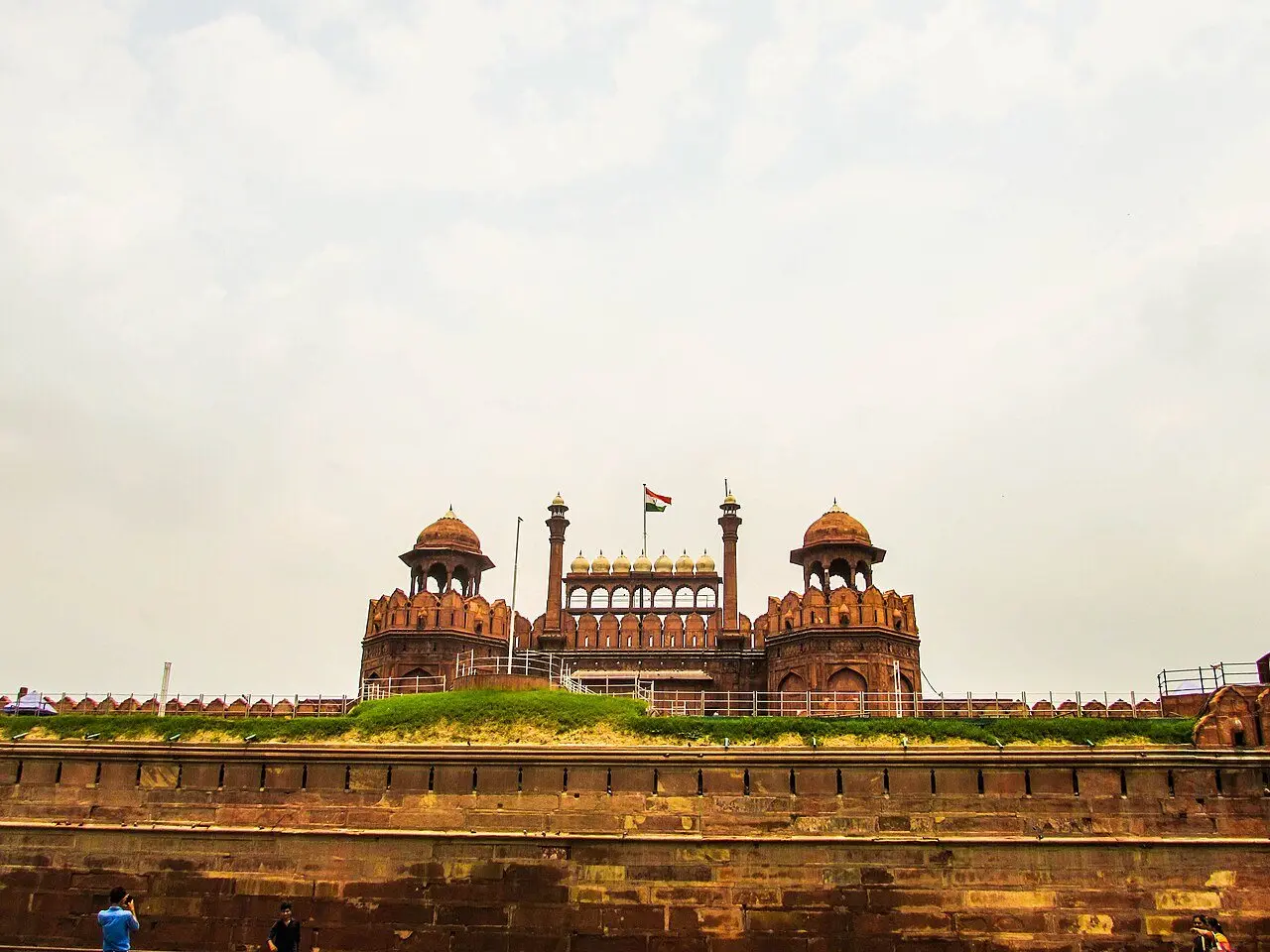
It worked. At midnight, power passed. On the morning of August 15, Nehru raised the new Indian tricolor above the Lahori Gate of the Red Fort in Delhi, as vast crowds celebrated across the country. India's long struggle for self-rule — led for decades by Mahatma Gandhi's campaign of nonviolent resistance and a powerful independence movement — had reached its goal.
But freedom came with a wound. The British departure also divided the subcontinent: Partition created the new nation of Pakistan alongside India, triggering one of the largest migrations in human history and communal violence that cost countless lives. Gandhi himself marked the day with sorrow as well as joy, warning that a heavy burden of responsibility now lay on the new nation's leaders.
The human cost defies tidy counting. Between 10 and 15 million people crossed the new borders — Hindus and Sikhs fleeing west to east, Muslims fleeing east to west, whole villages traveling on foot and by train. Trains arrived full of the dead. Historians' estimates of the killing range from several hundred thousand to two million.
There was a third piece of the puzzle: the 565 princely states, which were never British possessions and so could not simply be partitioned. With British paramountcy lapsing at midnight, each ruler was left to choose India or Pakistan by signing an Instrument of Accession covering defense, foreign affairs, and communications. Most acceded by August 15; the holdouts — including Hyderabad and Kashmir — would be decided by force, plebiscite, and war in the months and years that followed.
India's independence inspired decolonization movements across Asia and Africa and made the world's largest democracy. Every August 15, the prime minister raises the flag at the same Red Fort gate — a tradition born on that first morning of freedom, in the first minutes after the longest midnight in Indian history.
Photo: Akshatha Inamdar, CC BY-SA 4.0 (via Wikimedia Commons).