The Balcony in Kawit Where a Nation Was Born
On June 12, 1898, Emilio Aguinaldo proclaimed Philippine independence from his balcony in Kawit, unveiling the nation's flag and anthem in a single afternoon.
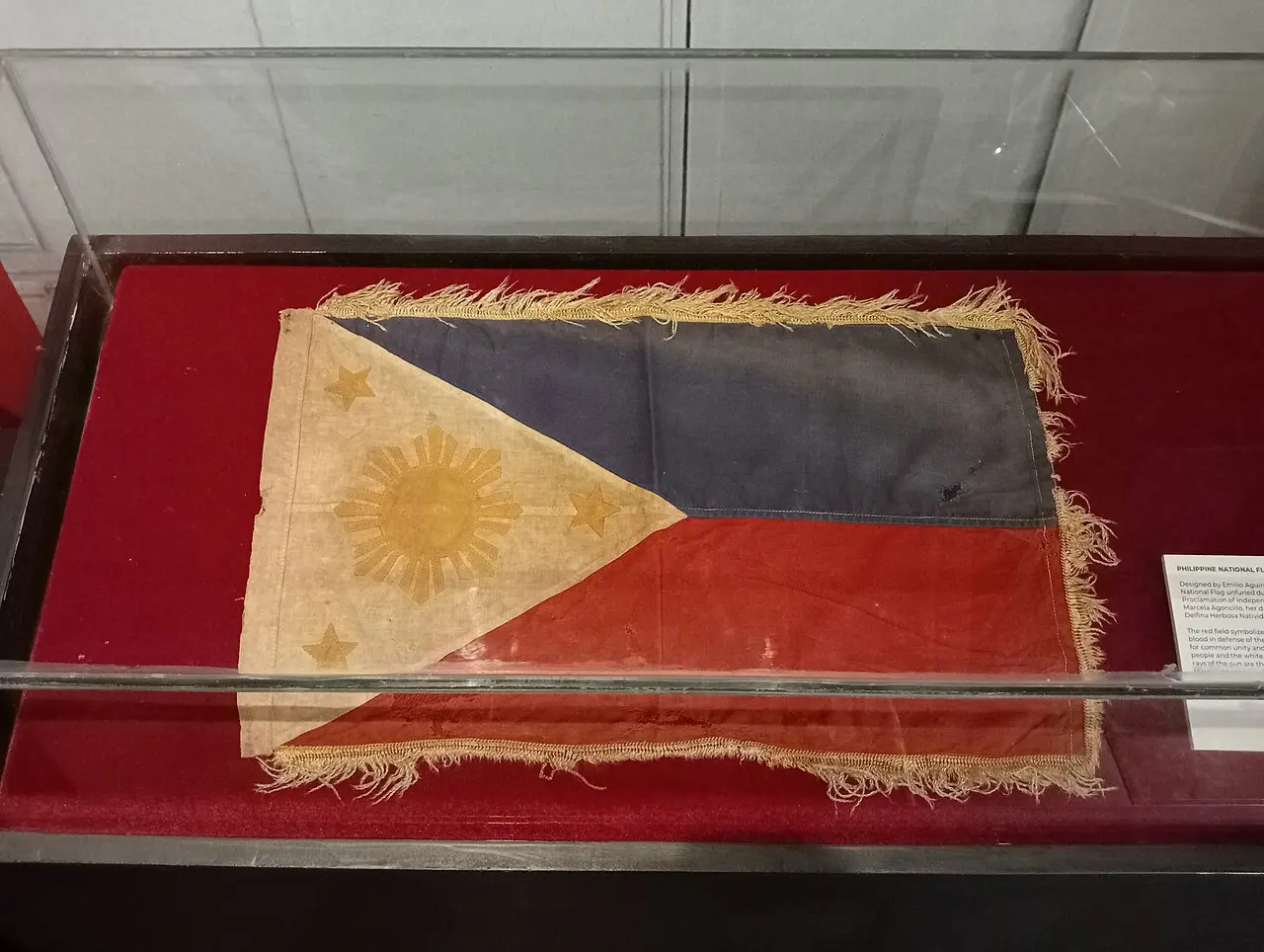
A flag sewn in Hong Kong. An anthem with no words yet. On the afternoon of June 12, 1898, from a balcony in the town of Kawit, Emilio Aguinaldo gave the Philippines all three symbols of nationhood in a single ceremony — and declared his country free.
The Philippines had been under Spanish rule for three centuries. The revolution had begun in 1896, and after a truce in December 1897 sent Aguinaldo into exile in Hong Kong, the outbreak of the Spanish–American War in April 1898 changed everything: on May 1, American warships under Commodore George Dewey destroyed the Spanish fleet at the Battle of Manila Bay. The U.S. Navy ferried Aguinaldo home aboard the USS McCulloch, and he landed in Cavite on May 19.
Less than a month later, on June 12, thousands gathered at Aguinaldo's ancestral home in Kawit, Cavite. From the balcony, the revolutionary leader proclaimed the sovereignty and independence of the Philippine islands. The declaration itself — a 21-page document called the Act of the Proclamation of Independence of the Filipino People — was read aloud in Spanish by its author, Ambrosio Rianzares Bautista, and signed by 98 delegates.
Then came the symbols. A flag designed by Aguinaldo and sewn in Hong Kong by Marcela Agoncillo, her daughter Lorenza, and Delfina Herboza was unfurled for the first time. A band played the "Marcha Nacional Filipina," composed by Cavite music teacher Julián Felipe — a march with no lyrics yet that would become the national anthem, "Lupang Hinirang." It was, by every account, an afternoon of pure jubilation.
The jubilation was premature. Neither Spain nor the United States recognized the declaration, and on December 10, 1898, the Treaty of Paris ended the Spanish–American War by ceding the Philippines to the United States. Full independence would not come until July 4, 1946. But the date stuck: in 1962, President Diosdado Macapagal moved the country's Independence Day from July 4 back to June 12, and Congress confirmed it in 1964.
Why it matters: every June 12, the Philippines celebrates Araw ng Kalayaan — Independence Day — on the anniversary of that balcony proclamation. Aguinaldo's house in Kawit is now a national shrine, and the very flag unfurled that afternoon — the one in this story's photograph — is preserved there behind glass. A 21-page document, a sewn flag, and a wordless march: the raw materials of a nation, unveiled in one afternoon.
Photo: Ralff Nestor Nacor, CC BY-SA 4.0 (via Wikimedia Commons).