
The Fall of the Alamo: Thirteen Days That Shaped Texas
On March 6, 1836, Mexican forces overran the Alamo after a thirteen-day siege, and the defenders' stand became the rallying cry that won Texas its independence.
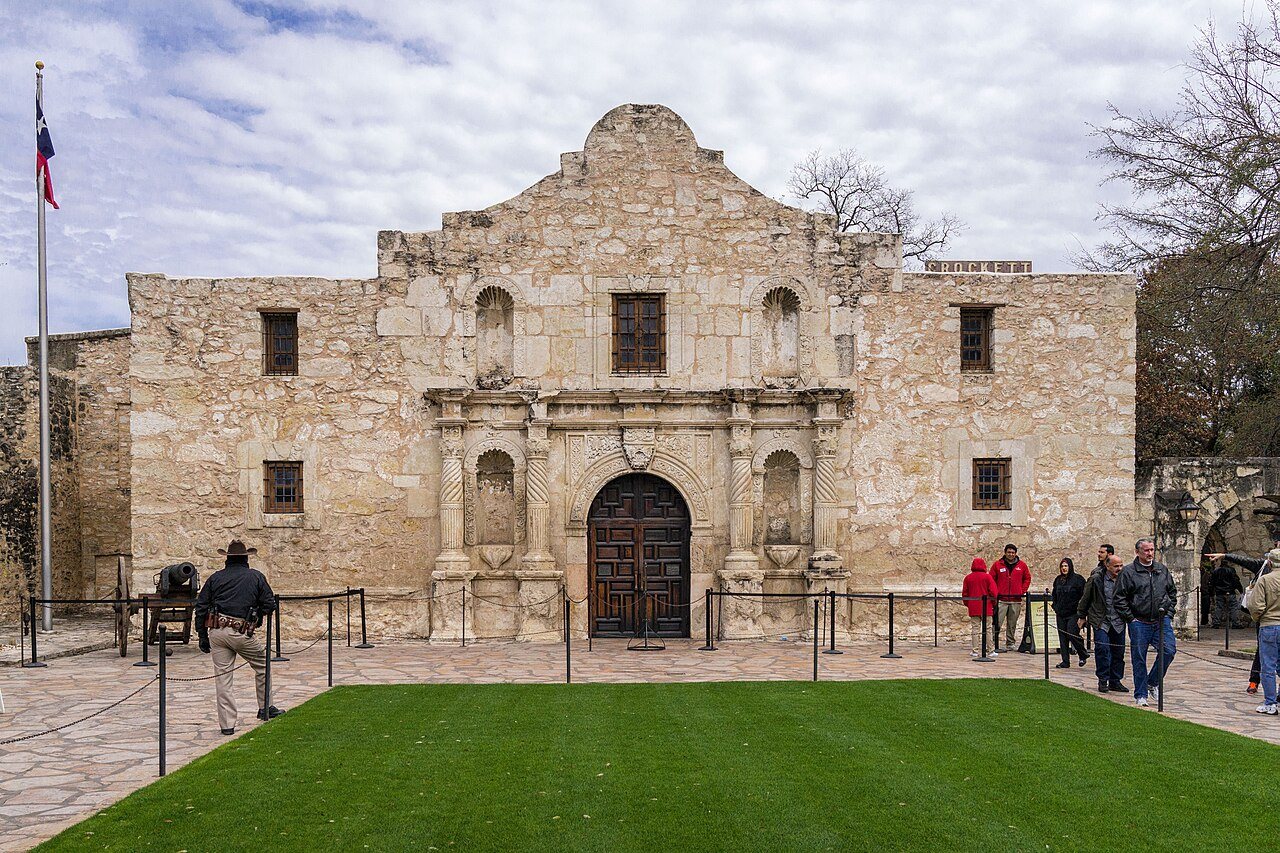
Before dawn on March 6, 1836, Mexican bugles sounded the degüello outside the walls of an old Spanish mission in San Antonio de Béxar. The tune meant no mercy. Inside waited some 200 defenders — farmers, doctors, a former congressman from Tennessee — at the end of a thirteen-day siege that had already become legend.
The mission was San Antonio de Valero, better known as the Alamo. A few months earlier, in December 1835, Texian volunteers had seized it from a Mexican garrison during Texas's revolt against the government of President and General Antonio López de Santa Anna. By mid-February 1836, command of the post had fallen to two young leaders: 26-year-old Lieutenant Colonel William B. Travis and the famed knife-fighter James Bowie. Among the volunteers was Davy Crockett, the frontiersman and former U.S. congressman who had ridden in from Tennessee with a dozen men.
Santa Anna arrived with his army on February 23 and demanded surrender. Travis answered with a cannon shot, and the siege began. Outnumbered many times over, Travis sent riders pleading for reinforcements, and on February 24 he wrote the letter that made him immortal — a call for aid ending with the words "Victory or Death." Legend says he later drew a line in the sand and asked every man willing to stay and fight to step across it. All but one did.
For thirteen days the defenders held the walls while Mexican artillery crept closer. Then, in the dark hours before dawn on March 6, Santa Anna sent some 1,400 to 1,600 men forward in four columns. One column broke through the north wall, and the fighting — much of it hand to hand — was over in about ninety minutes. Travis, Bowie, and Crockett were all killed. Santa Anna had ordered that no prisoners be taken, and nearly every defender died. A handful were spared, mostly women and children, including Susannah Dickinson and her infant daughter Angelina, whom Santa Anna sent to the Texian camp carrying a warning.
It was a total defeat — and a turning point. "Remember the Alamo!" became the rallying cry of the Texian army. Six weeks later, on April 21, Sam Houston's forces surprised Santa Anna at San Jacinto and won Texas its independence in a battle that lasted eighteen minutes. The Republic of Texas was born, and in 1845 Texas joined the United States.
The Alamo endures because it distilled a complicated revolution into a simple story: ordinary people choosing to stand their ground against impossible odds. The old mission still stands in downtown San Antonio, its chapel front one of the most recognizable buildings in America, visited by millions each year. The battle lasted a morning; the argument over what it means — courage, sacrifice, and the cost of both — has lasted nearly two centuries.
Photo: Andre m, CC BY-SA 3.0 (via Wikimedia Commons).