The Morning Portugal Took Its Crown Back
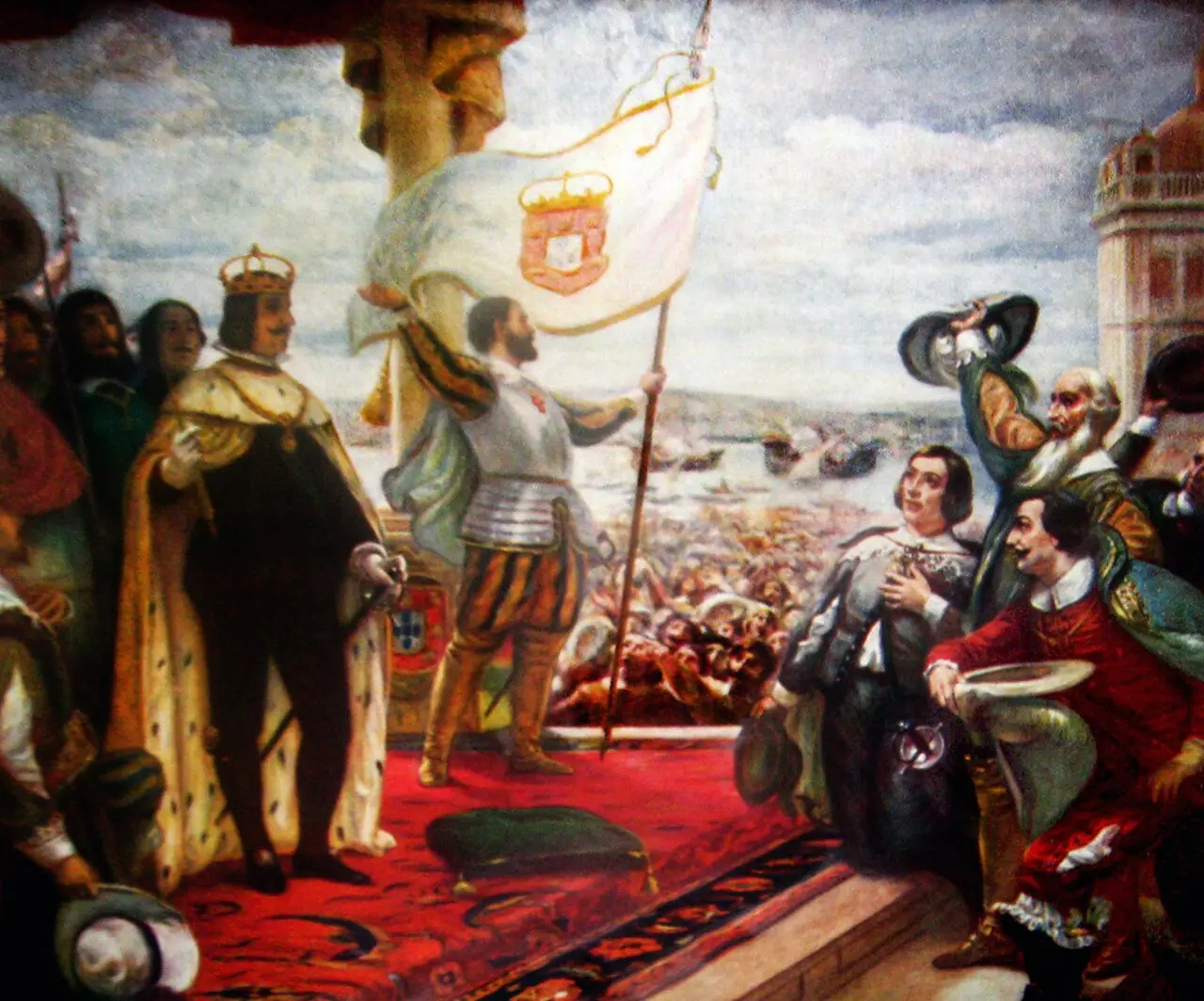
On December 1, 1640, the Forty Conspirators stormed Lisbon's royal palace and acclaimed the Duke of Braganza as King John IV, ending sixty years of Spanish rule.
The palace fell in a matter of hours. The king it belonged to had not set foot in Portugal for sixty years.
In 1580, Portugal's throne had fallen into the hands of Philip II of Spain. The young King Sebastian had vanished at the Battle of Alcácer Quibir in 1578, and his successor, the elderly Cardinal Henry, died childless less than two years later. Philip claimed the crown in 1581, and Portugal entered the Iberian Union — technically a partner kingdom, in practice a junior one funding Spain's wars with heavy taxes while its own colonial outposts were left to face Dutch attacks alone.
By 1640, the moment had come. Spain was bleeding itself dry in the Thirty Years' War and fighting a revolt in Catalonia. A group of Portuguese nobles and merchants — remembered as the Forty Conspirators, led by men like Antão Vaz de Almada, Miguel de Almeida, and João Pinto Ribeiro — decided Portugal would not wait for permission to be free again.
On the morning of December 1, 1640, they stormed the Ribeira Palace in Lisbon. They killed the Spanish Secretary of State, Miguel de Vasconcelos, and imprisoned the Vicereine, Margaret of Savoy, who had been governing Portugal in the Spanish king's name. The city rose behind them. Within hours, John, the 8th Duke of Braganza — a reluctant candidate from Portugal's senior noble house, with a legitimate claim through his grandmother — was acclaimed King John IV.
According to legend, it was his wife Luísa de Guzmán who talked him into accepting the crown, supposedly saying she would rather be queen for a day than duchess for a lifetime. True or not, he accepted — and two weeks later, on December 15, he was formally crowned in Lisbon.
His reign, which lasted until his death in 1656, was dominated by the struggle to hold what the coup had won. Spain refused to accept the loss, and the ensuing Portuguese Restoration War ground on for twenty-eight years, ending only in 1668 when Madrid finally recognized Portuguese independence in a subsequent reign. John IV spent those years shoring up alliances — with France and Sweden, among others — and clawing back Portugal's battered overseas empire: his forces retook Luanda in Angola from the Dutch in 1648, and by the time of his death the Portuguese Empire had reached its greatest territorial extent. His daughter Catherine would even marry Charles II of England, carrying Portuguese influence into the English court.
Why it still matters: December 1 is still a national holiday in Portugal, the Dia da Restauração — Restoration of Independence Day. Sixty years is a long time to be ruled by someone else, and Portugal's story is a reminder that nations, like people, sometimes have to take their own futures back by force of will.
Photo: Veloso Salgado, "Acclamation of King John IV of Portugal," public domain (via Wikimedia Commons).