Egypt's Independence Day, With an Asterisk
On February 28, 1922, Britain unilaterally declared Egypt an independent sovereign state — while reserving control of the Suez Canal, defense, and Sudan for itself.
On the last day of February 1922, Great Britain handed Egypt its independence with one hand and held on to the country's most important levers with the other.
For forty years Egypt had lived under British control. British troops had occupied the country since 1882; in 1914, with the Ottoman Empire crumbling into war, London formally declared a protectorate. Then came the First World War, and Britain pressed Egypt deep into its war machine — conscripting more than 1.5 million Egyptians into the Labour Corps and requisitioning land and animals. When the war ended, Egyptian nationalists asked for the only thing they thought fair: an end to the protectorate.
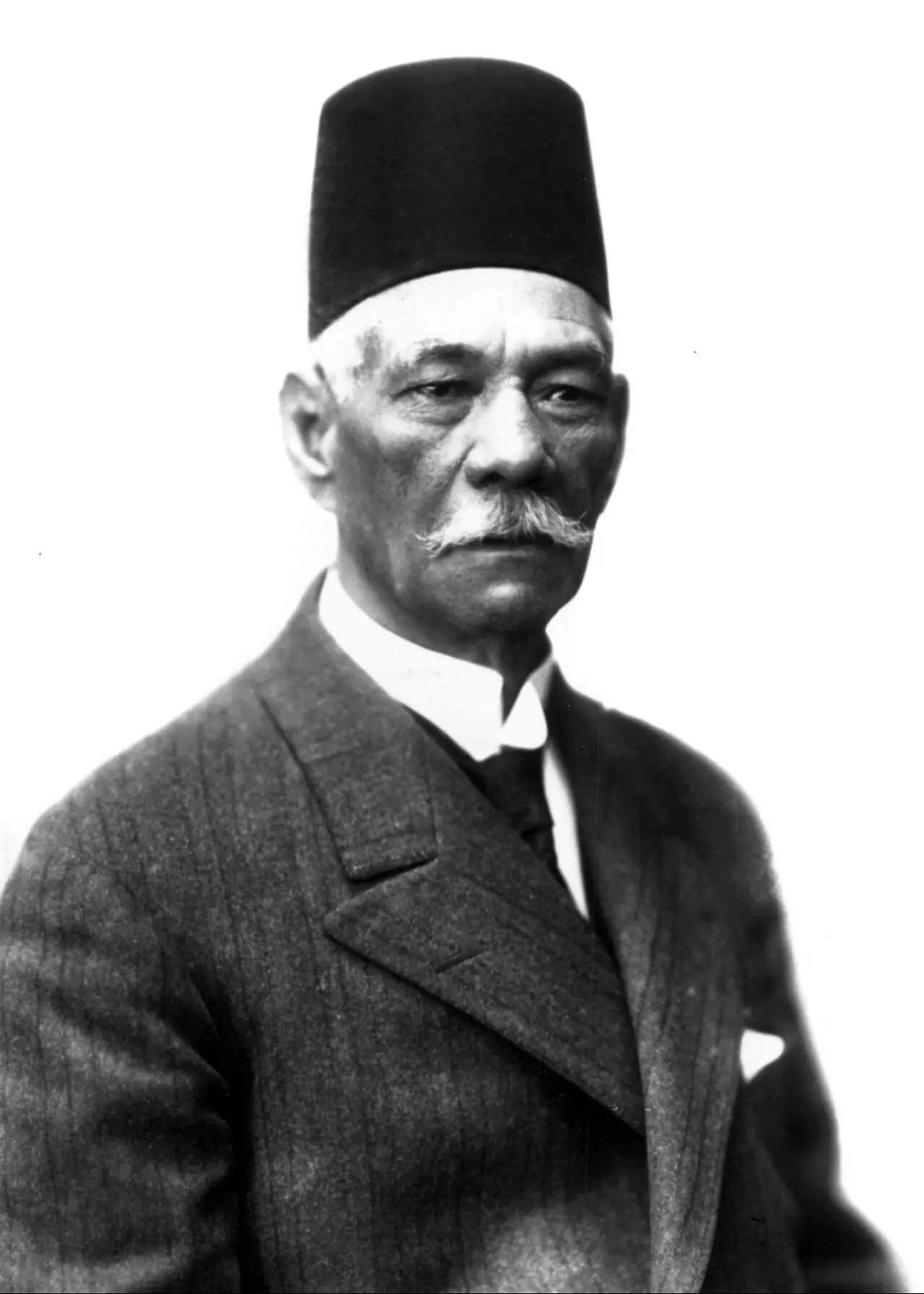
The man who carried that demand was Saad Zaghloul, founder of the Wafd — the "Delegation" — party. Britain's answer was to exile him, first to Malta and later, in December 1921, to the Seychelles. Each exile only fed the fire. In March 1919, his first deportation set off a nationwide revolt of strikes, boycotts, and street fighting that left at least 800 Egyptians dead. A British inquiry, the Milner Mission, eventually concluded that the protectorate itself was the problem.
By early 1922, Britain's man in Cairo, High Commissioner Lord Allenby, was warning London that the situation was unmanageable. On February 28, London acted — unilaterally, without negotiating. The declaration proclaimed Egypt "an independent sovereign State," ended the protectorate, and turned the country into the Kingdom of Egypt under Sultan Fuad, soon King Fuad I.
But the fine print told a different story. Britain reserved to itself four "absolutely reserved" matters: the security of imperial communications, above all the Suez Canal; the defense of Egypt against foreign attack; the protection of foreigners and minorities; and the future of Sudan. British troops stayed in Egyptian cities, and British influence still dominated the country's politics. Historians have described the result as semi-autonomy at best — independence on paper, tutelage in practice.
Egyptians were not fooled, and the grievances the declaration left unresolved fed three decades of nationalist anger. They boiled over in the Egyptian Revolution of 1952, which swept away the monarchy and the British presence both.
February 28, 1922 still matters: it was one of the first cracks in the edifice of European colonialism in Africa — a declaration of independence that showed the world, and Egypt, that independence granted on someone else's terms is never quite finished business.
Photo: W. Hanselman, public domain (via Wikimedia Commons)