South Sudan Becomes the World's Newest Nation
On July 9, 2011, the Republic of South Sudan declared independence in Juba, ending decades of war and redrawing the map of Africa.
At midnight on July 9, 2011, a new flag went up over Africa — and the map of the world changed before dawn.
By mid-morning, hundreds of thousands of people had packed the grounds of the Dr. John Garang Mausoleum in Juba, the capital of what was about to become the Republic of South Sudan. They had come to watch their country be born. The Sudanese flag was lowered for the last time. A new flag — blue, yellow, black, red, green, with a single gold star — climbed the pole as the crowd erupted in cheers and ululation and the new national anthem was sung for the first time.
Then Salva Kiir Mayardit took the oath of office as the first president and signed a new interim constitution. The speaker of parliament had formally read the declaration of independence: the elected representatives, acting on the will of the people as confirmed by the referendum, declared South Sudan an independent and sovereign nation.
The guest list told the story of how hard this day had been to reach. U.N. Secretary-General Ban Ki-moon sat in the crowd. Sudan's own president, Omar al-Bashir — the leader of the north the South had fought for so long — attended too, and wished the new nation well. U.S. Ambassador Susan Rice told the crowd that independence is not a gift you have been given, it is a prize you have earned.
The prize had been paid for in blood. Sudan's civil wars — two rounds spanning nearly forty years, fought over religion, ethnicity, oil, and land — had killed some two million people and displaced four million more. The 2005 peace deal ended the last round and promised the South a referendum on its future. In January 2011, nearly 99 percent of southerners voted to split. John Garang, the rebel leader whose mausoleum hosted the ceremony, had died in 2005 and did not live to see it. President Kiir dedicated the day to the fallen: We have waited 56 years for this day.
With independence, South Sudan became Africa's 55th independent nation and the 193rd member of the United Nations within days. Ban Ki-moon warned of the road ahead — deep poverty, almost no infrastructure, and institutions to build from scratch — while praising the country's resilient people, vast farmland, and the Nile running through it.
Why it matters: few moments show what self-determination really means the way this one does. An entire people voted, almost unanimously, to govern themselves — and then stood in the Juba sun and watched it happen. The years that followed brought new hardship and internal war, which makes the joy of that day even more important to remember: this is what it looks like when a people's patience finally outlasts their suffering.
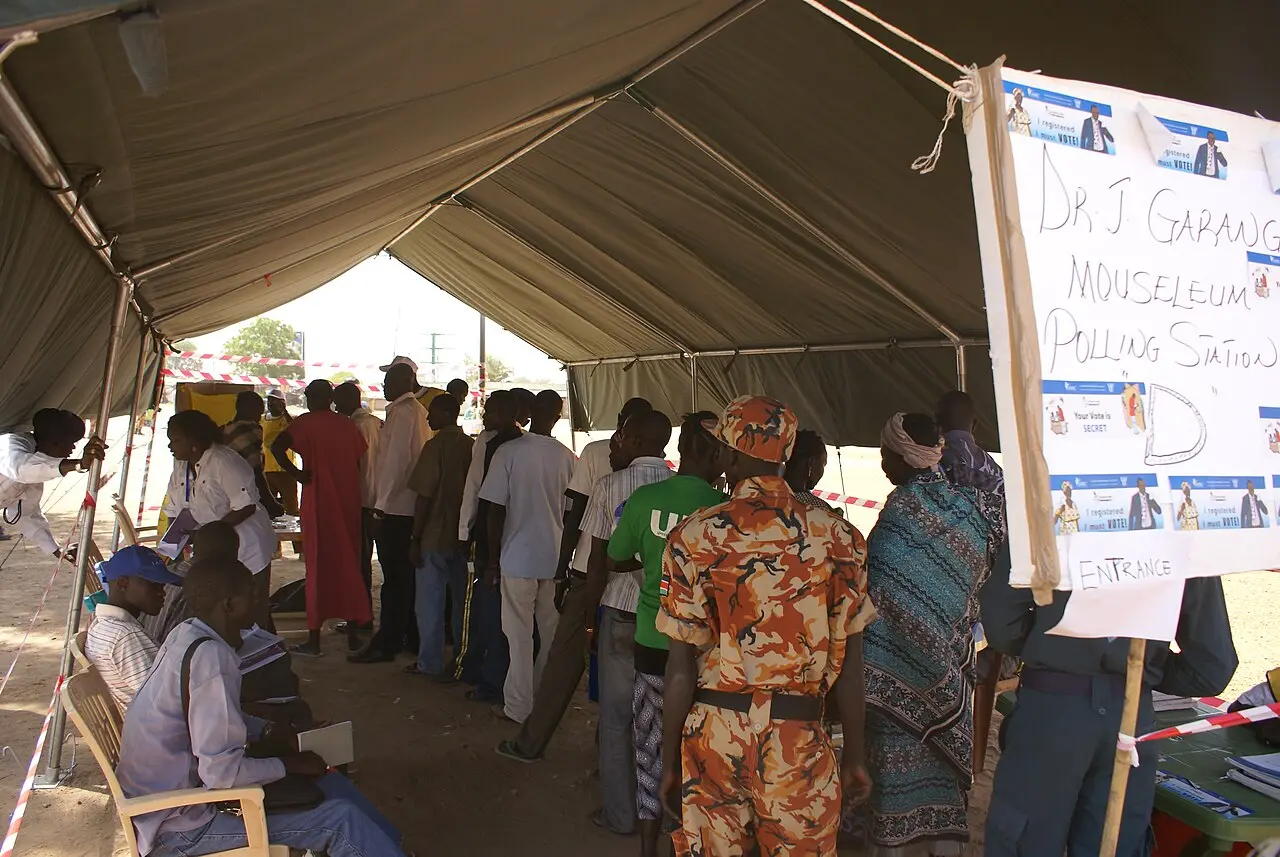
Photo: Ranjit Bhaskar / Al Jazeera English, via Wikimedia Commons, CC BY-SA 2.0.