The Spruce Goose: The Giant That Flew Exactly Once
On November 2, 1947, Howard Hughes lifted the largest airplane ever built 70 feet over Long Beach Harbor for 26 seconds — its only flight, ever.
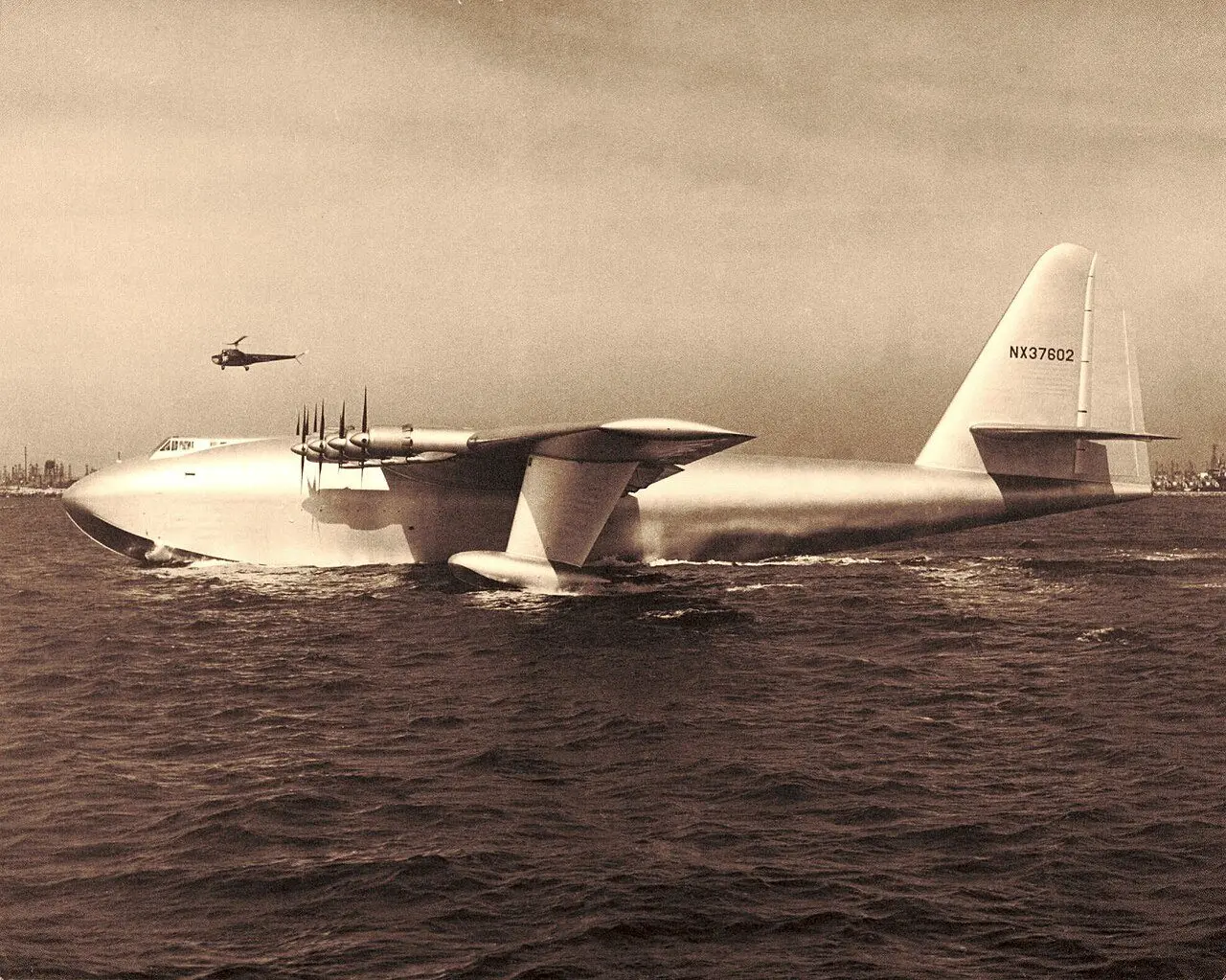
On the afternoon of November 2, 1947, the largest airplane ever built rose about seventy feet above Long Beach Harbor, flew roughly a mile, and settled back onto the water. It had been airborne for about twenty-six seconds. It would never fly again.
The Hughes H-4 Hercules — the plane the world would call the “Spruce Goose,” a nickname Hughes himself detested — was born of wartime desperation. In 1942, with German U-boats sinking Allied shipping, the U.S. government wanted a giant flying boat that could ferry 700 troops or 60 tons of cargo across the Atlantic, beyond the enemy's reach. Shipbuilder Henry J. Kaiser sketched the concept; aviation pioneer Howard Hughes agreed to build it. Because aluminum was reserved for combat aircraft, the plane would be built mostly of laminated birch — a molded plywood called Duramold. It was not made of spruce at all.
The war ended before the plane was finished. Kaiser withdrew, costs climbed toward $25 million, and in the summer of 1947 Hughes was hauled before a Senate committee investigating whether he had misused millions in government funds. Hughes, famously private and famously proud, gave the senators a line for the ages: “I have my reputation all rolled up in it, and I have stated several times that if it's a failure, I'll probably leave this country and never come back. And I mean it.”
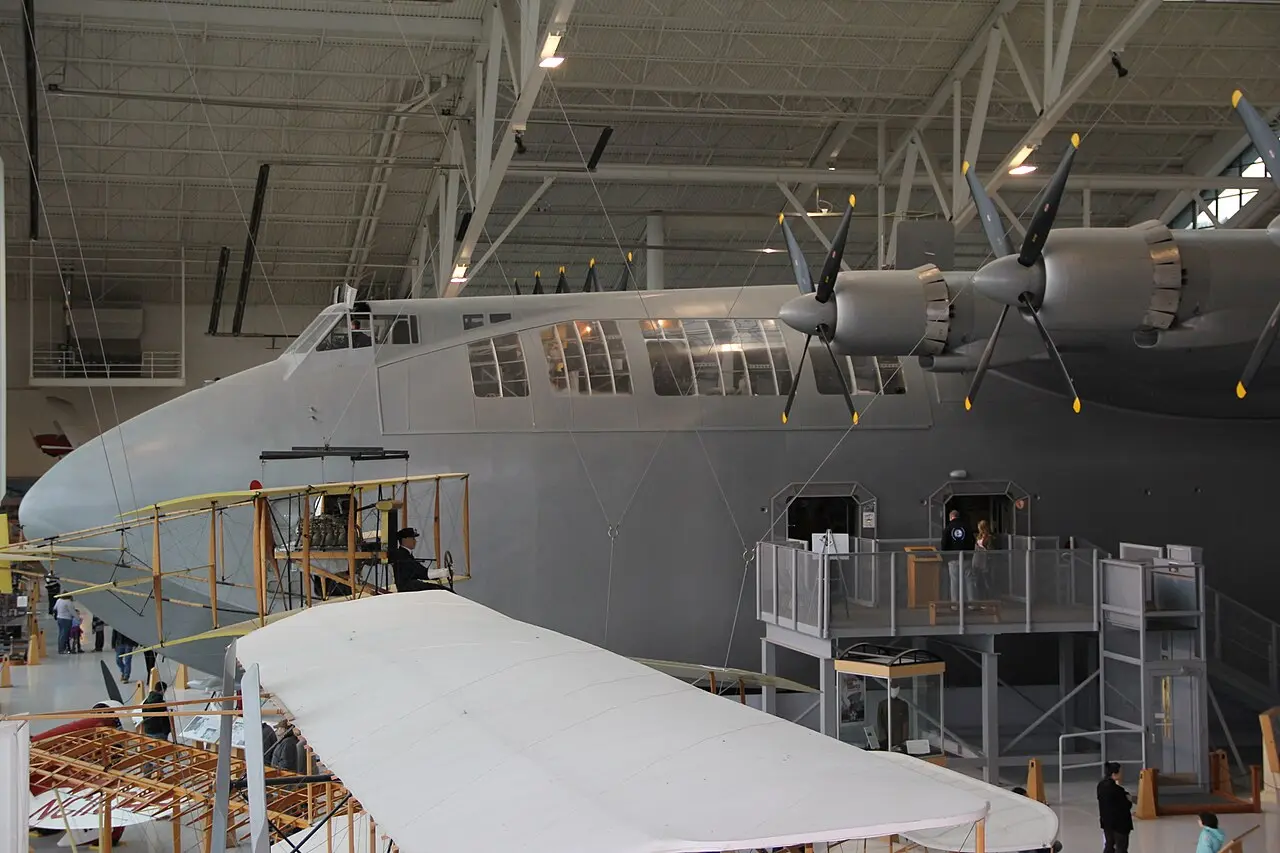
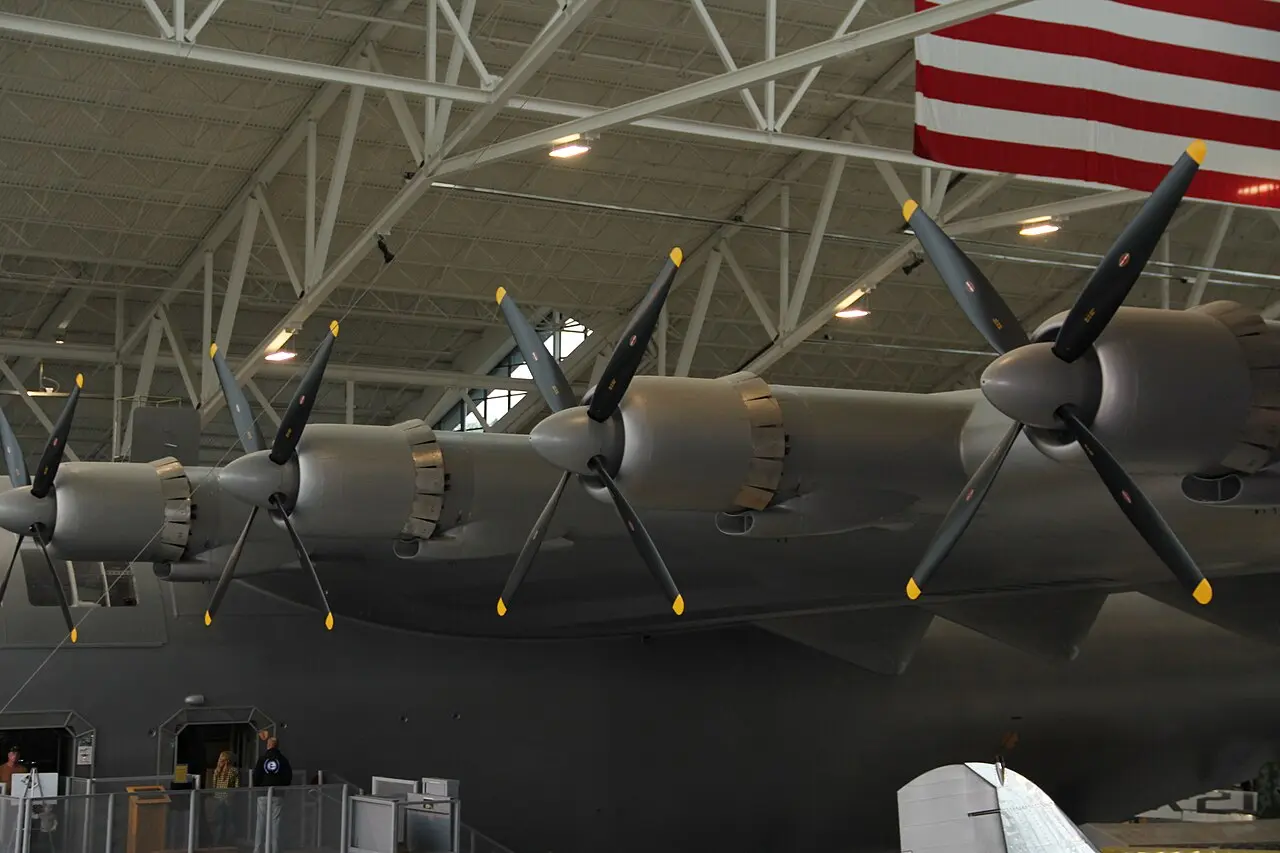
The H-4 that emerged from its Long Beach hangar that November was staggering: eight Pratt & Whitney R-4360 engines delivering some 24,000 horsepower, and a wingspan of 319 feet 11 inches — wider than a Boeing 747, wider than anything that had ever flown. No one was entirely sure it could fly at all.
November 2 was supposed to be taxi tests, not a flight. Hughes took the controls himself, with about thirty people aboard — engineers, aides, and members of the press. He made two high-speed runs down the harbor, keeping below the 95-mile-per-hour liftoff speed. On the third run, he kept the throttles open. “When we got up to 95 m.p.h., I lowered the flaps to takeoff position and it felt so good, I just took off,” he told the Los Angeles Times the next day. Then the wooden giant settled back down: “She settled down like a feather at the end of the course.”
The numbers were modest — a mile, seventy feet, twenty-six seconds — but the point was made. The wooden giant could fly.
It never did again. With the war over and no military buyer, the H-4 had no mission. Hughes kept it mothballed in an enormous climate-controlled hangar, at a reported cost of a million dollars a year, and had it maintained as if it might fly tomorrow. After his death it was displayed in Long Beach from 1980 to 1992, then moved in pieces to its permanent home at the Evergreen Aviation & Space Museum in McMinnville, Oregon.
The Spruce Goose is often filed under “failure,” but that misses the point. It was the largest flying boat ever built and, at the time, the largest aircraft of any kind — its wingspan record stood for 72 years. It proved that radical ideas in materials and scale could work, and it remains the most famous monument in aviation history to the moment when wartime ambition outgrew the war itself.
Photo: SDASM Archives, public domain (via Wikimedia Commons).
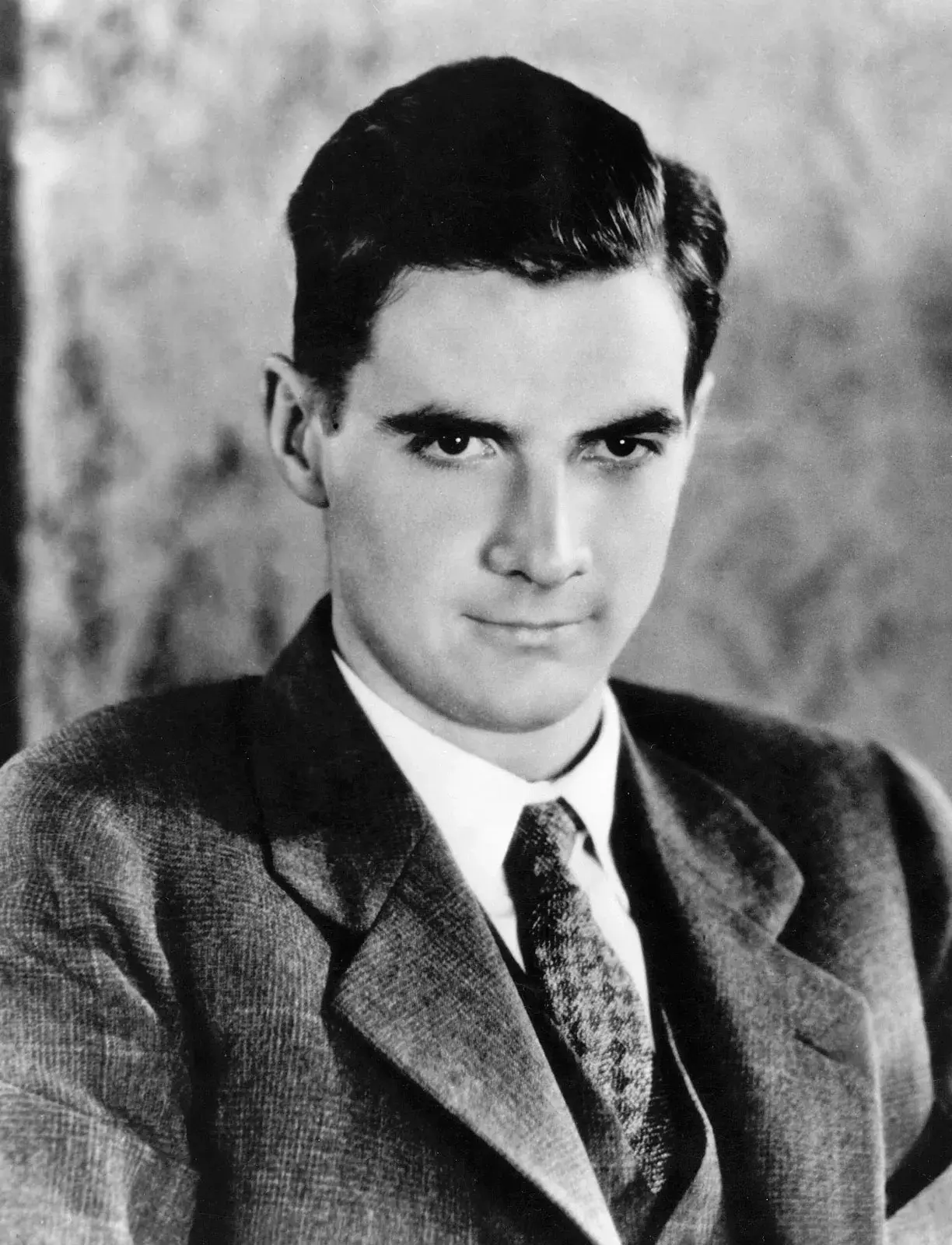
More images (via Wikimedia Commons): the H-4 Hercules on display (Clemens Vasters, CC BY 2.0); Howard Hughes in 1938 (public domain).