Amelia Earhart's Lone Flight Across the Pacific
On January 11, 1935, Amelia Earhart became the first person to fly solo from Honolulu, Hawaii, to Oakland, California — a daring 2,408-mile journey across the Pacific.
Picture yourself alone in a tiny wooden airplane over the dark Pacific Ocean, with no co-pilot, no reliable radio, and nowhere to land for the next 2,400 miles. That is exactly where Amelia Earhart put herself on January 11, 1935.
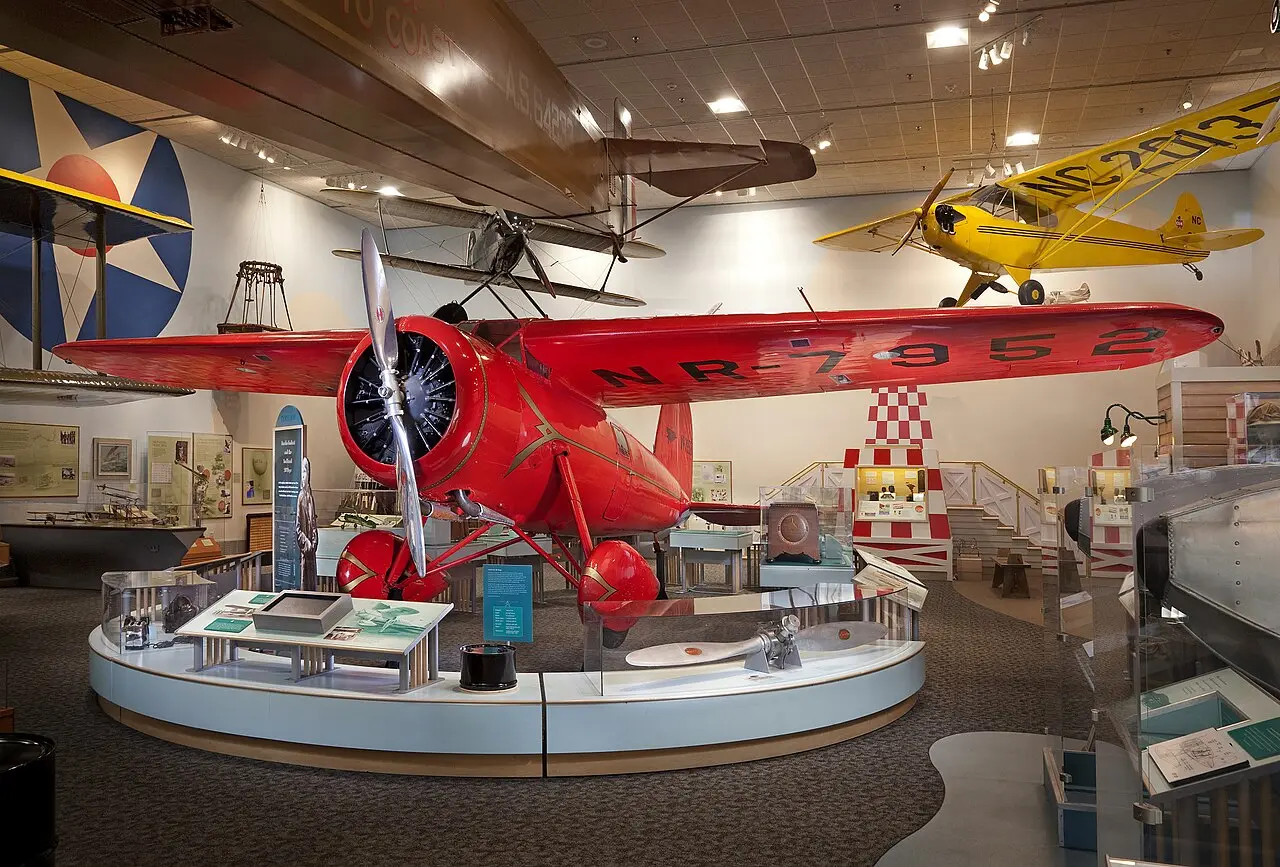
She had taken off from Wheeler Field on the Hawaiian island of Oahu that afternoon in a red-and-gold Lockheed Vega she nicknamed “old Bessie, the fire horse.” Ahead lay nearly nineteen hours of flying to reach Oakland, California — a route that had already claimed the lives of ten pilots who tried it before her, including competitors in the disastrous 1927 Dole Air Race. Her flight was almost routine by comparison: no mechanical breakdowns, and in the final hours she even relaxed enough to tune in a radio broadcast of the Metropolitan Opera coming from New York, thousands of miles away.
Earhart was already the most famous woman in aviation. Three years earlier she had become the first woman to fly solo across the Atlantic Ocean, landing in Northern Ireland in May 1932. But the Pacific was a different beast — longer, lonelier, and far less forgiving. She navigated by dead reckoning, fought winter storms, and at times skimmed just above the whitecaps. When she finally reached the California coast, her navigation had been so precise she was only a couple of miles off course.
When she touched down in Oakland, more than 10,000 people were waiting to greet her. No one — man or woman — had ever flown alone between Hawaii and North America. She had done it in a wooden plane topping out under 200 miles per hour, proving that long solo flights over open ocean were possible.
The Pacific had a fearsome reputation among pilots. Eight years earlier, the 1927 Dole Air Race had sent planes the opposite direction, from California toward Hawaii, and the contest ended in tragedy with several aviators lost. Ten pilots in all had died trying the Hawaii route before Earhart’s attempt. Her success showed the ocean could be crossed safely by a well-prepared pilot — a lesson that helped point the way toward the trans-Pacific air routes we take for granted today. In Honolulu, a bronze plaque on Diamond Head Road still marks the spot, polished bright by the hands of visitors who stop to touch the tiny airplane engraved on it.
She didn’t rest on the triumph. That same year she flew solo from Los Angeles to Mexico City and then from Mexico City to Newark, New Jersey — the first person to fly directly across the Gulf of Mexico. Two years later she set out on her most ambitious flight of all, an attempt to circle the globe, and vanished over the Pacific. But the Hawaii flight endures as a monument to preparation, nerve, and the quiet belief that a single determined person can cross any ocean.
Photo: a Lockheed Vega like the one Amelia Earhart flew solo from Hawaii to California, on display in a museum — public domain image (CC0) via Wikimedia Commons.