
37 Minutes That Ended Britain's Island Status
On July 25, 1909, Louis Blériot took off from Calais at dawn and landed near Dover 36 minutes later — the first airplane flight across the English Channel.
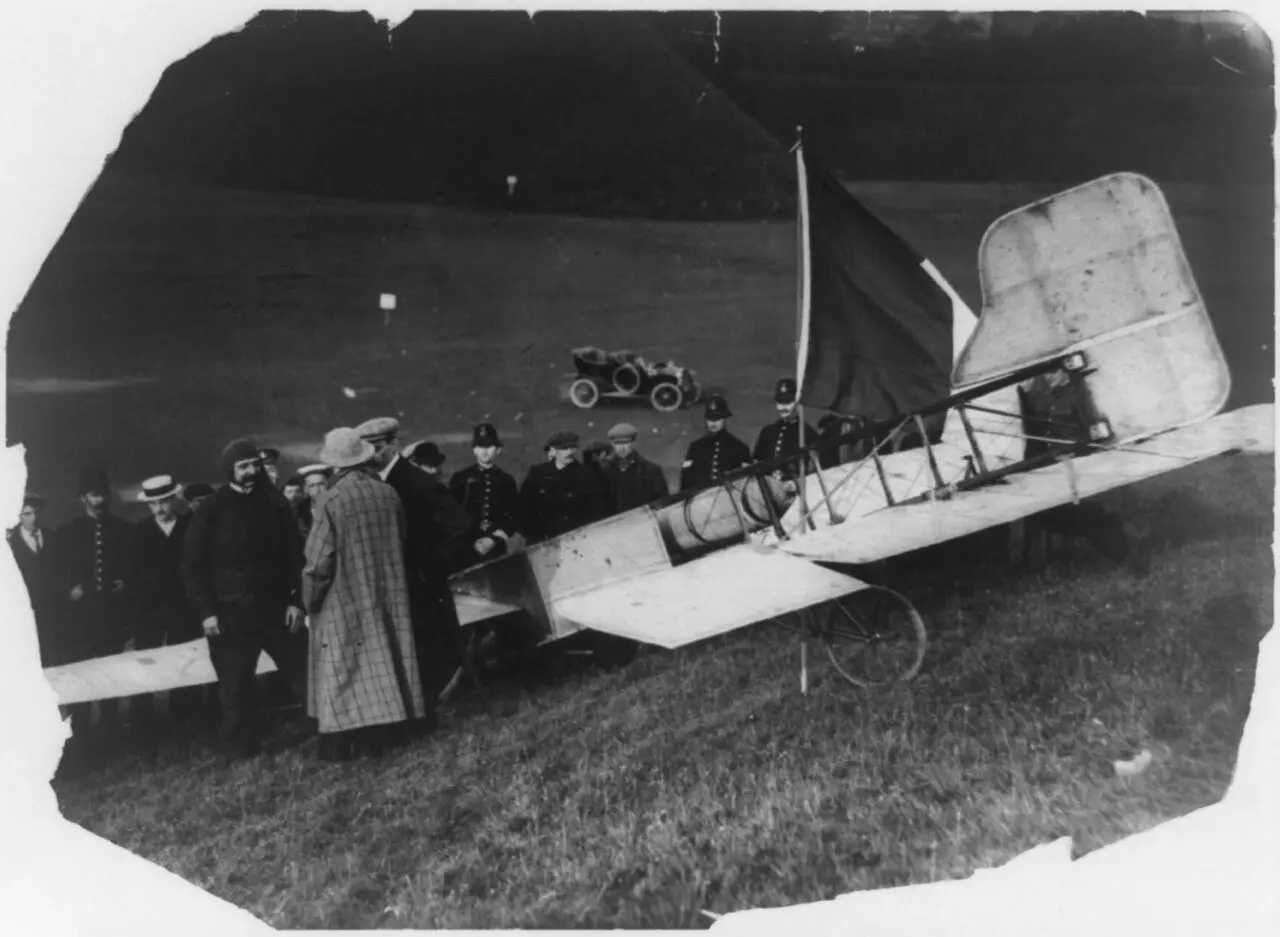
Britain woke up on the morning of July 25, 1909, to discover it was no longer an island. Shortly before dawn, French aviator Louis Blériot climbed into a flimsy single-seat monoplane on a field near Calais, France, pushed the throttle of its 25-horsepower engine, and pointed it toward England. Thirty-six and a half minutes later he was standing in a meadow near Dover Castle — the first person in history to cross the English Channel by airplane.
The Daily Mail had offered a £1,000 prize for the first Channel crossing, and three rivals were camped near Calais waiting for calm weather. The favorite was Hubert Latham, whose Antoinette monoplane had already attempted the crossing on July 19 — until his engine quit over the water and he was forced down into the sea. Count Charles de Lambert, flying Wright biplanes, had damaged his machines in practice and was out of the running. When the wind finally dropped on the morning of the 25th, Blériot seized his chance.
He flew without a compass. He drifted east of his course. For minutes he was alone over the gray water in an open cockpit, with barely an hour of fuel aboard — and then, to his left, the white cliffs of Dover. He turned toward them, fought gusting winds, and came down hard in Northfall Meadow: a "pancake" landing that nearly collapsed the undercarriage and smashed a propeller blade. Blériot was unhurt. Waiting in the meadow was Charles Fontaine, a correspondent for the French newspaper Le Matin, waving a French tricolor.
The Daily Express ran the headline "Britain is no longer an Island." For centuries the Channel had been Britain's shield — no invader had crossed it since 1066. Blériot proved in 36 minutes that the airplane had erased that moat.
The flight itself was tiny: 25 miles, about 40 kilometers, at roughly 25 miles per hour and just 250 feet of altitude. But it made Blériot a celebrity overnight. Orders for copies of his Blériot XI poured in; he founded his own aircraft company, sold some 1,000 planes, and supplied combat aircraft to Allied aviators in World War I. The plane that crossed the Channel never flew again — it was repaired and put on display, first at London's Selfridges department store.
Why it matters: One dawn flight proved that oceans no longer protected nations from the sky. Within five years, airplanes would transform warfare — and within decades, they would shrink the entire world.
Photo: Louis Blériot with his Blériot XI after landing at Dover, July 25, 1909, from the George Grantham Bain Collection, public domain (via Wikimedia Commons).