
Churchill Steps Down: The Lion's Last Day in Office
On April 5, 1955, an 80-year-old Winston Churchill resigned as Britain's prime minister, ending one of the 20th century's defining political careers.
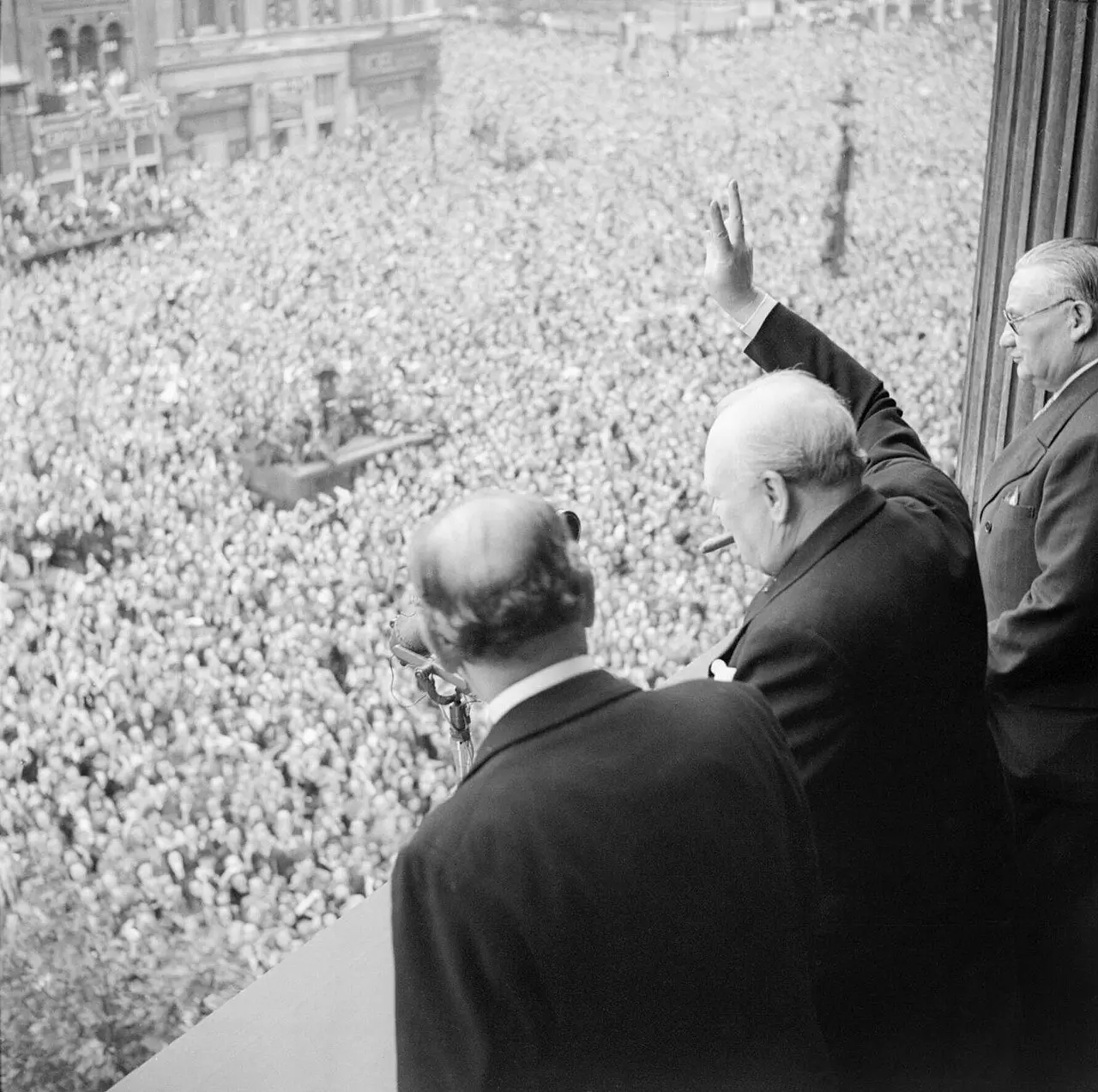
On the morning of April 5, 1955, an 80-year-old man left 10 Downing Street, rode to Buckingham Palace, and handed his resignation to the Queen. Winston Churchill was stepping down as Britain's prime minister — for the last time.
It was the end of one of the most consequential political careers of the twentieth century. Churchill had led Britain through the darkest years of World War II, from 1940 to 1945, his speeches steadying a nation standing nearly alone. In one of democracy's great plot twists, the voters threw him out in the 1945 election, just weeks after the war in Europe ended. He refused to fade away: he warned the West about the Soviet threat, won the Nobel Prize in Literature in 1953 for his histories and oratory, was knighted the same year — and won his way back to Downing Street in the 1951 election.
But time was catching up. In June 1953 he suffered a serious stroke, kept secret from the public while he recuperated at his country home, Chartwell. Though he recovered enough to carry on, his energy was fading, and by the spring of 1955 even he knew it. He tendered his resignation to Queen Elizabeth II, and his longtime foreign secretary, Anthony Eden, took over the government the same day.
His second government had its own achievements. The 1951 comeback had been narrow — the Conservatives won a majority of just 17 seats, even though Labour took more votes. Determined to house a nation still scarred by bombing, Churchill's housing minister Harold Macmillan delivered on a pledge to build 300,000 homes a year. Churchill was knighted in April 1953, receiving the Order of the Garter and the title Sir Winston, and he focused mostly on foreign affairs — and on his friendship with the young Queen Elizabeth II, who had taken the throne in 1952.
Churchill didn't disappear. He remained in Parliament until 1964, painted, wrote, and stayed a towering public figure until his death in 1965 at the age of 90, when he was honored with a state funeral.
Why it matters: leaders are measured by their hardest hours, and Churchill's came in 1940 and 1941, when Britain's survival was in doubt. His farewell in 1955 closed the book on an era — the last Victorian-born statesman leaving the stage, having helped save the world he was born into and shape the one that followed.
Photo: UK Government (Imperial War Museum), public domain (via Wikimedia Commons).