8:15 a.m.: The Morning the Atomic Age Began Over Hiroshima
On August 6, 1945, the B-29 Enola Gay dropped the first atomic bomb used in war over Hiroshima — about 80,000 people died instantly, and the world changed in a flash.
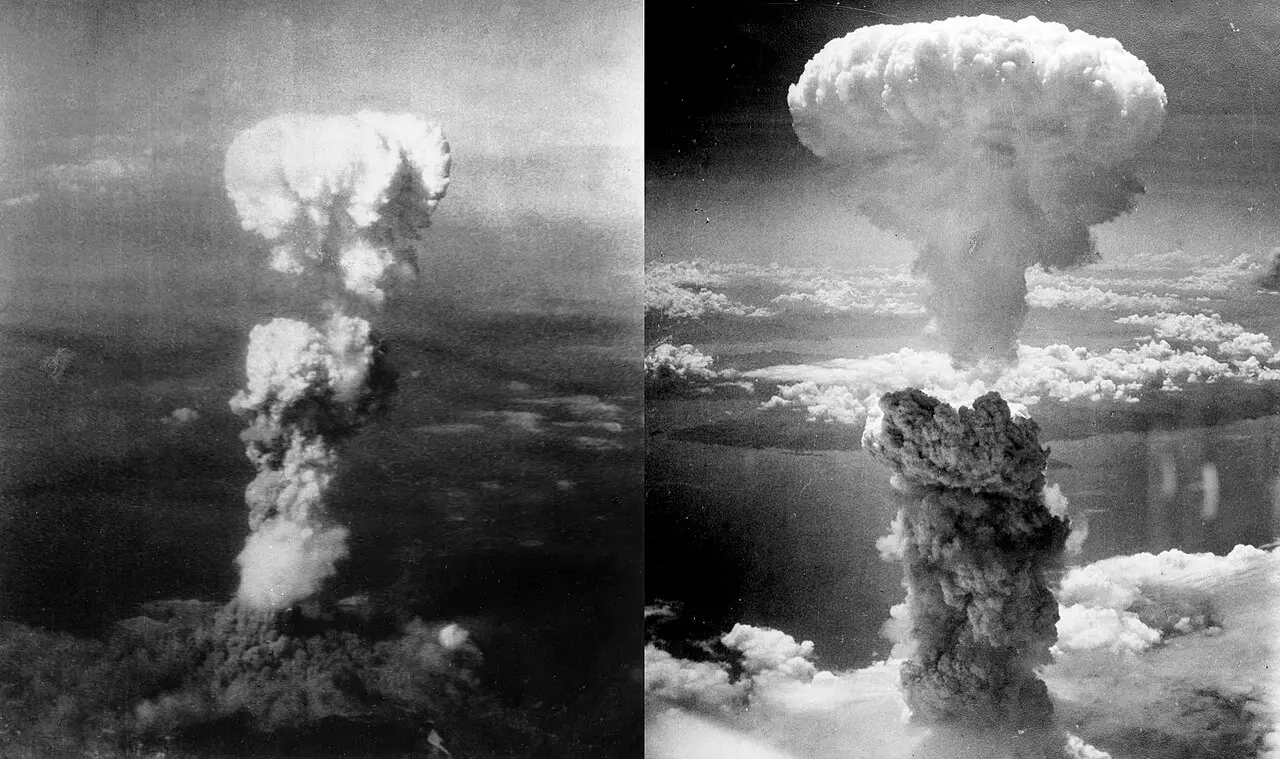
At 8:15 on a Monday morning, the people of Hiroshima were starting their day — commuting to work, opening shops, children heading to school. Then a single American B-29 bomber, the Enola Gay, released a four-ton uranium bomb nicknamed "Little Boy" from 31,500 feet. Forty-three seconds later it exploded 2,000 feet above the city center, near the Aioi Bridge.
In an instant, a fireball of unimaginable heat and a blast wave flattened roughly four square miles of the city. About 80,000 people were killed outright. Tens of thousands more would succumb to burns and radiation in the weeks and months that followed — some 140,000 dead by the end of 1945, about 40 percent of the city's population. Within an hour, a strange "black rain" of radioactive particles began falling on the ruins.
The bomb was the product of the Manhattan Project, the secret American effort — begun after warnings that Nazi Germany was pursuing nuclear weapons — that had produced its first successful test in the New Mexico desert only weeks earlier, in July 1945. Germany had already surrendered by then, but the war in the Pacific raged on. President Harry Truman, warned that invading Japan could cost horrific American casualties, ordered the new weapon used to force a swift end.
Three days later, a second atomic bomb fell on Nagasaki. Nine days later, Japan announced its surrender, and World War II — the deadliest conflict in human history — was over. Some historians have argued the bombs served a second purpose as well: a demonstration to the Soviet Union, whose armies were occupying Eastern Europe, that America held a weapon of unimaginable power. In that telling, the flash over Hiroshima was also the opening shot of the Cold War.
Hiroshima rebuilt. Today it is a thriving city of 1.2 million people — and the keeper of the world's most solemn lesson about nuclear war. The skeletal dome of the old Industrial Promotion Hall, now the Hiroshima Peace Memorial, still stands where the blast bent it, preserved as a World Heritage site.
August 6, 1945, remains the only time nuclear weapons have been used in war. Every treaty, every summit, every debate about nuclear arms since has been haunted by what happened in those 43 seconds over Hiroshima — the morning humanity proved it could destroy itself, and decided, so far, not to.
Photo: U.S. military, public domain (via Wikimedia Commons).