Britain's Darkest Hour Finds Its Voice
On May 10, 1940 — the same day Germany invaded the Low Countries — Winston Churchill became Britain's prime minister and began forging the defiance that would carry the nation through World War II.
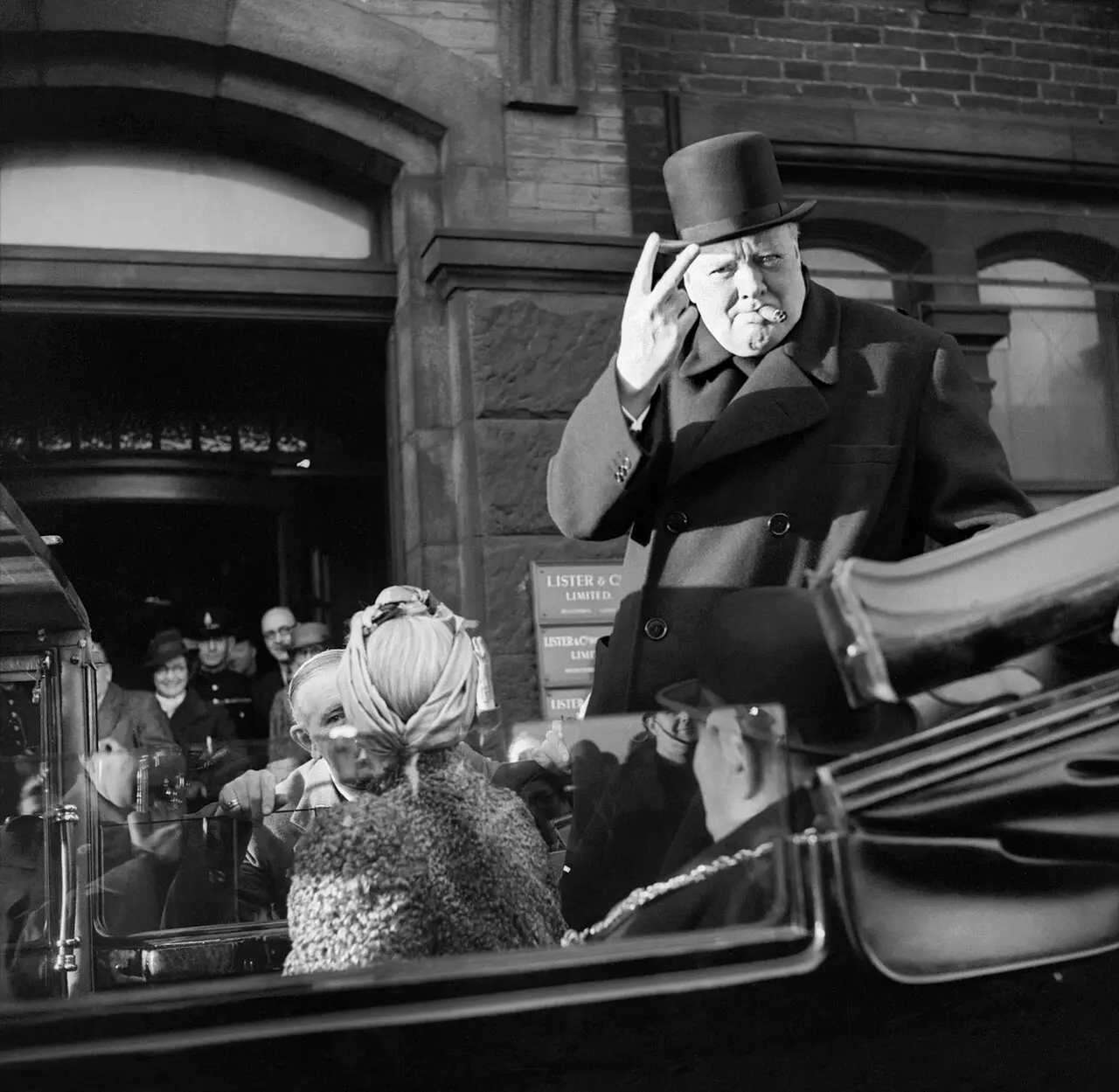
On the morning of May 10, 1940, the German army smashed into Belgium, the Netherlands, and Luxembourg, opening the blitzkrieg in the West. By that evening, Britain had a new prime minister: Winston Churchill, 65 years old, summoned to Buckingham Palace as the old order collapsed around him.
Neville Chamberlain had fallen two days earlier in the wreckage of the Norway debate. After British forces failed to stop the German occupation of Norway in April, Parliament turned on him; on May 7 and 8, in one of the most dramatic debates in Commons history, Leo Amery rose and hurled Oliver Cromwell's words at the government: "In the name of God, go!" Chamberlain survived the vote but lost his authority. The question was who would replace him: Churchill, the First Lord of the Admiralty, or Lord Halifax, the foreign secretary. Halifax, a peer, doubted he could govern effectively from the House of Lords — and stepped aside. On May 10, the King asked Churchill to form a government.
It was a staggering gamble on a man with a checkered past. Churchill had been warning about Hitler since the early 1930s, when most of his party dismissed him as a warmonger — his "wilderness years." He carried the scars of Gallipoli from the First World War and a reputation for impulsiveness. But he also carried something no one else in British politics had: an absolute, bone-deep certainty that Nazi Germany had to be fought, not bargained with.
He moved fast. Churchill formed an all-party coalition government, bringing Labour's Clement Attlee and others into the War Cabinet. Three days later, on May 13, he stood before the House of Commons and delivered the speech that defined his premiership: "I have nothing to offer but blood, toil, tears and sweat." The Commons, which had jeered Chamberlain days before, roared its approval.
What followed tested every word. Within weeks came Dunkirk, the fall of France, and the Battle of Britain — a year in which Britain stood alone against a seemingly invincible Germany. Churchill's speeches became the soundtrack of resistance: "we shall never surrender" was not rhetoric to him but policy.
May 10, 1940 matters because democracies rarely get the leader they need at the moment they need him. Britain did — a flawed, brilliant, stubborn man who arrived at the top job on the darkest day of the century and refused to let the lights go out.
Photo: Imperial War Museum, public domain (via Wikimedia Commons).