The Battle of Los Angeles: When the Guns Fired at Nothing
On the night of February 24, 1942, Los Angeles fired more than a thousand anti-aircraft shells at something in the sky that was never found.
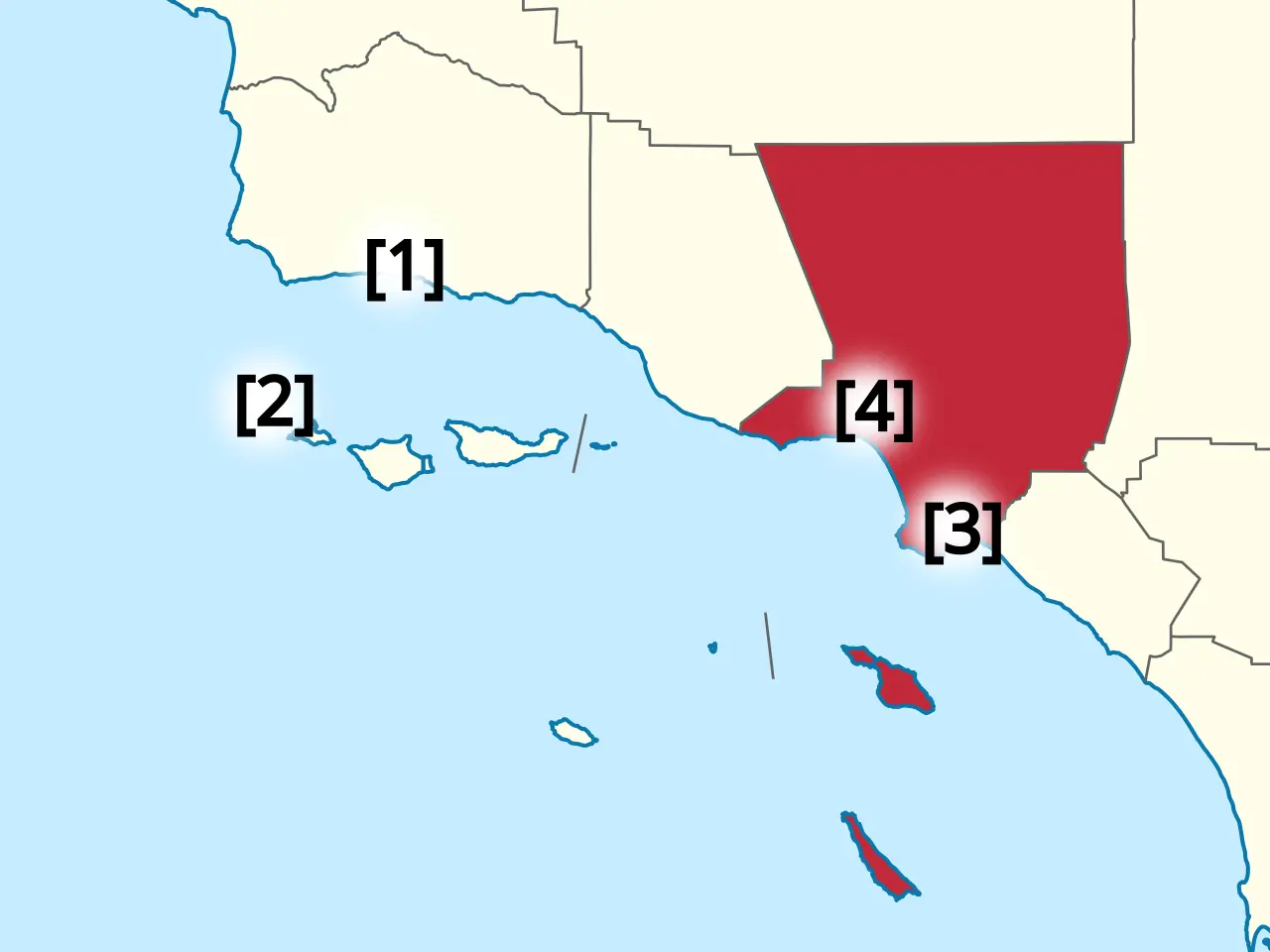
At 2:25 a.m., the air-raid sirens woke a city of more than a million people. Searchlights swept the blacked-out sky over Los Angeles, converged over Culver City — and the guns opened fire. For over an hour, anti-aircraft batteries blasted away at something in the darkness. They fired more than 1,400 shells. They hit nothing. The barrage began late on February 24, 1942, and raged into the early hours of February 25.
The city had reason to be afraid. America was less than three months into World War II after Pearl Harbor, and the West Coast was braced for attack. The day before, a Japanese submarine had shelled the Ellwood oil field near Santa Barbara. When radar operators and spotters reported an unidentified object approaching the coast, a blackout was ordered from the shoreline to the Mexican border — and Army anti-aircraft batteries were told to fire.
What followed was chaos. Batteries across the city joined in, lighting the sky with shell bursts. A cease-fire was ordered within minutes, but confusion and slow communications kept the guns firing until nearly 4 a.m.; the all-clear did not sound until 7:21. Falling shell fragments damaged homes and buildings across the city. Five civilians died — not from enemy bombs, but from heart attacks and car crashes in the panic.
No enemy aircraft were ever found. No bombs fell. Secretary of the Navy Frank Knox called the whole thing a "false alarm," blaming a serious case of "war nerves." The Los Angeles Times published a dramatic photo of searchlights converging over Culver City on February 26, then spent weeks suggesting a cover-up. Official explanations trickled out over the years: a 1949 Army review concluded a meteorological balloon sent up at 1:00 a.m. had "started all the shooting"; a 1983 Air Force history blamed war nerves triggered by a lost weather balloon, worsened by stray flares and shell bursts. Others, then and now, have suggested everything from Japanese planes to flying saucers.
The so-called Battle of Los Angeles — the "Great Los Angeles Air Raid" — endures as one of World War II's strangest footnotes: a battle fought entirely against fear itself. It pushed the military to improve radar procedures and communications, and it remains a vivid reminder of how quickly panic can turn a false alarm into very real gunfire. The only confirmed casualty of that night's "enemy" was the truth — and even that took decades to sort out.
Map: public domain (via Wikimedia Commons).