The Night the Winter Palace Fell — and Barely Fought Back
On November 7, 1917 (October 25 in Russia's old calendar), the Bolsheviks seized the Winter Palace in an almost bloodless coup that reshaped the 20th century.
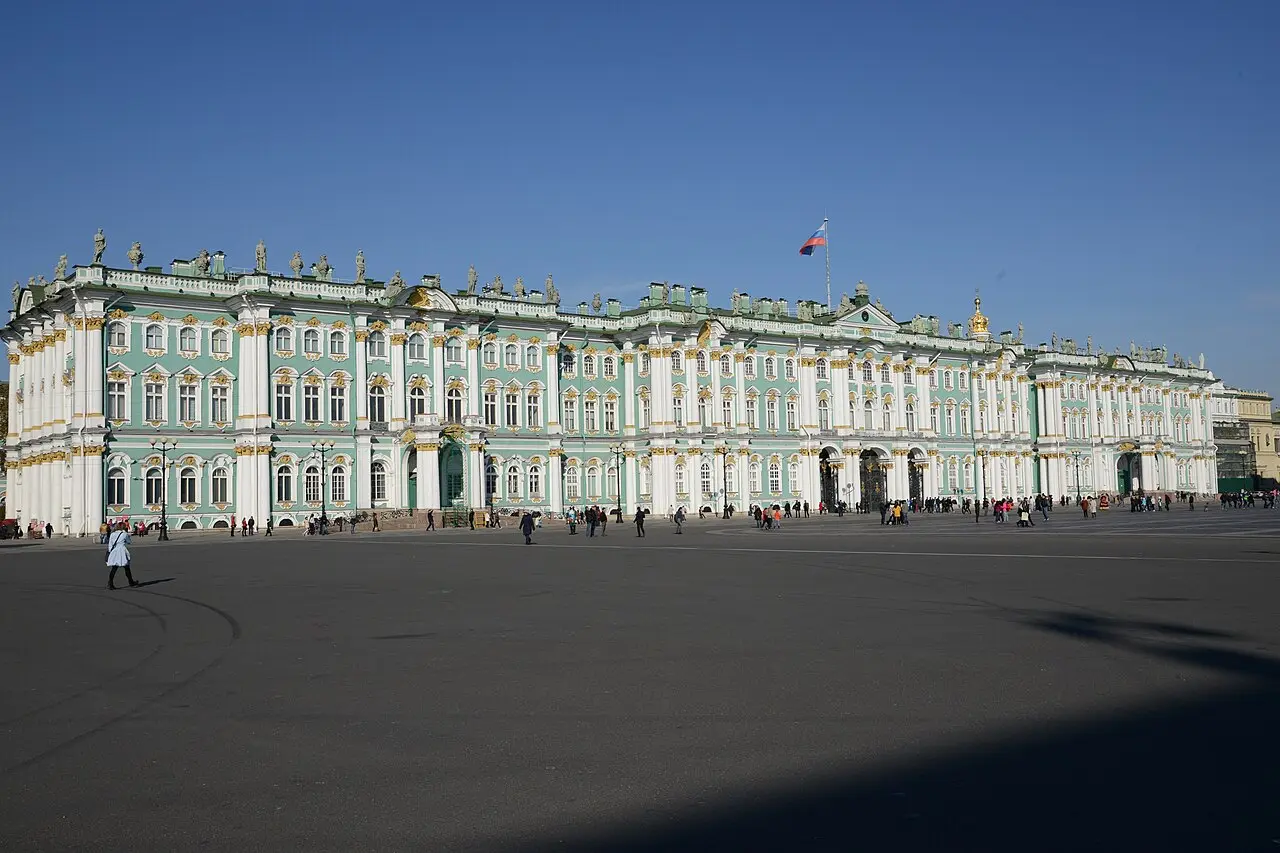
Russia was still using the Julian calendar when its world turned upside down, which is why the event we call by its November date got its famous name: the October Revolution. On the night of October 25 — November 7, 1917 by the modern calendar — a small, disciplined faction called the Bolsheviks seized power in Petrograd in what was less a popular uprising than a brilliantly executed coup.
The plan belonged to Leon Trotsky's Military Revolutionary Committee. Through the night of November 6–7, armed Red Guards fanned out across the capital and took the railway stations, the post and telegraph offices, the bridges, and the State Bank, mostly without a shot. The last holdout was the Winter Palace, seat of Alexander Kerensky's Provisional Government, which had ruled Russia since the tsar's abdication eight months earlier.
The Bolsheviks issued an ultimatum, then a signal shot rang out from the cruiser Aurora anchored in the Neva River. The palace's defenders simply melted away: the Cossacks deserted their posts, and the cadets and volunteers of the Women's Battalion surrendered once the Red Guards found their way inside through an open door. The ministers of the Provisional Government were arrested where they sat; Kerensky himself fled Petrograd to rally support that never came.
That same evening, at the Second All-Russian Congress of Soviets, the moderate Mensheviks and Socialist Revolutionaries walked out in protest at the seizure — and Trotsky taunted them on their way: "Go where you belong from now on — into the dustbin of history!" Vladimir Lenin, back from hiding, announced that all power now belonged to the Soviets of workers, soldiers, and peasants. A new Bolshevik government, the Council of People's Commissars, was formed with Lenin at its head, and within days it issued sweeping decrees promising peace to war-weary soldiers and land to the peasants.
Here is the twist the history books often skip: the famous images of a titanic battle for the palace are largely a later invention. In 1920, director Nikolai Evreinov staged a mass spectacle reenacting the storming before some 100,000 spectators, and its photographs were published for years as authentic scenes of the night; Sergei Eisenstein's film versions cemented the myth. The real takeover was swift, methodical, and nearly bloodless. But the consequences were anything but small: the coup plunged Russia into a brutal civil war and created the Soviet state that would dominate world politics for the rest of the century.
Photo: Jorge Láscar, CC BY 2.0 (via Wikimedia Commons).