The Night the Berlin Wall Fell — Thanks to a Confused Press Conference
On November 9, 1989, one mistaken word — “immediately” — sent hundreds of thousands of East Berliners streaming through a wall everyone thought would stand forever.
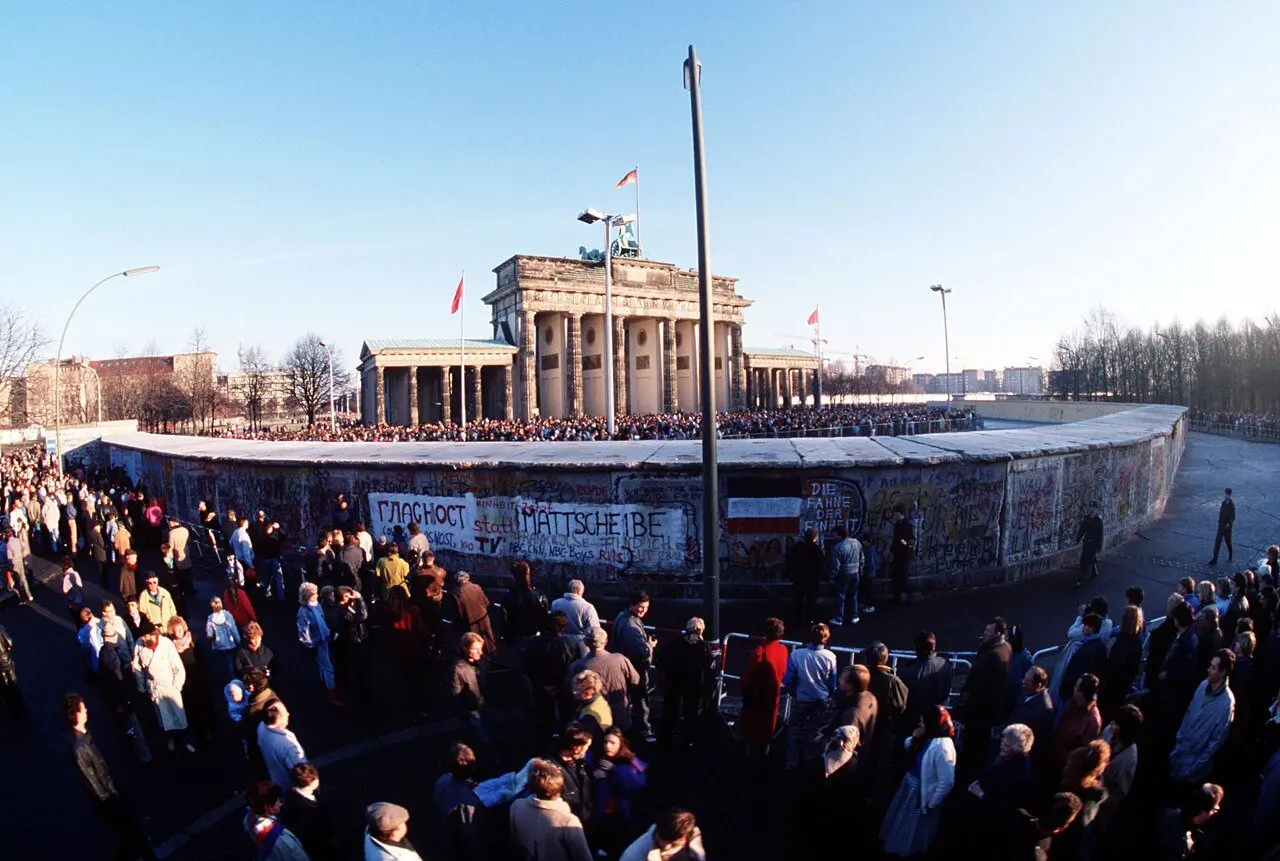
For 28 years, it had been the hardest line in the world. Since August 13, 1961, a concrete wall — guarded by soldiers, watchtowers, and shoot-to-kill orders — had cut Berlin in half, split families in two, and divided a city of millions into east and west. No one believed it would fall in a single evening. It fell because of a man who hadn't read his own notes.
By the autumn of 1989, East Germany was unraveling. Poland had elected a non-Communist government, Hungary had opened its border with Austria — giving East Germans a way around the wall entirely — and mass protests were shaking East German cities. The communist leadership, desperate to relieve the pressure, drafted new travel rules allowing citizens to cross into the West.
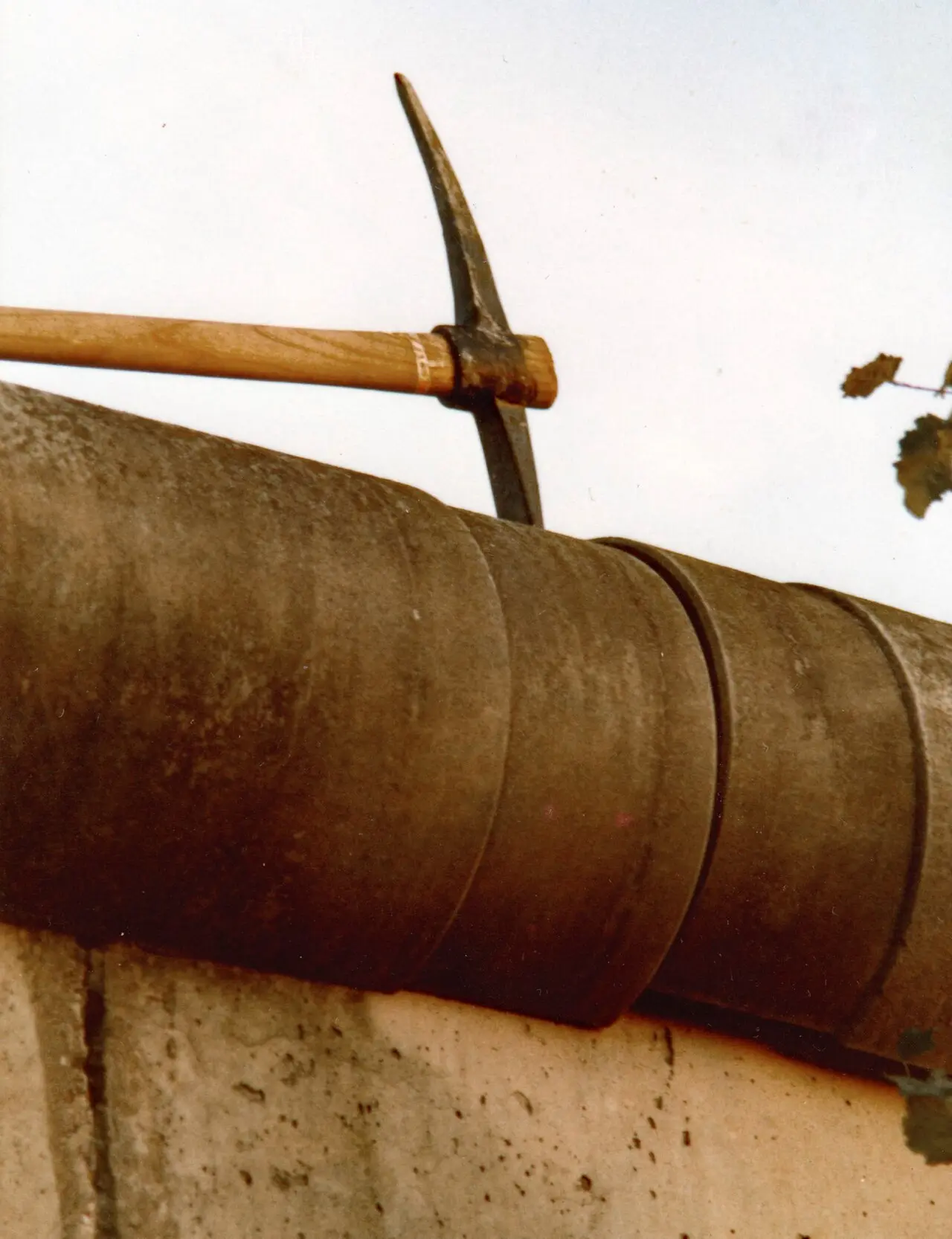
On the evening of November 9, 1989, East German spokesman Günter Schabowski sat down for a live televised press conference. He had been handed the memo about the new rules only minutes earlier and had not been properly briefed on them. When a journalist asked when the policy would take effect, Schabowski fumbled through his papers and said the word that ended the Cold War's most famous symbol: “immediately.”
The announcement was wrong. The rules were meant to be unveiled the following day, with preparations in place. But the words were broadcast live to millions of East Berliners who had been demanding freedom for months — and nothing could unsay them. Within hours, thousands of people converged on the wall's checkpoints. At Bornholmer Straße, border guards faced a swelling, chanting crowd with no clear orders and no backup; overwhelmed, they stood aside and opened the barriers. By midnight, checkpoints across Berlin were open. People who hadn't crossed in decades walked into the west, danced on top of the concrete, and hammered souvenirs from a wall that had once seemed eternal. East Berliners who had waited 28 years rushed forward to taste the freedom they had previously only seen on television.
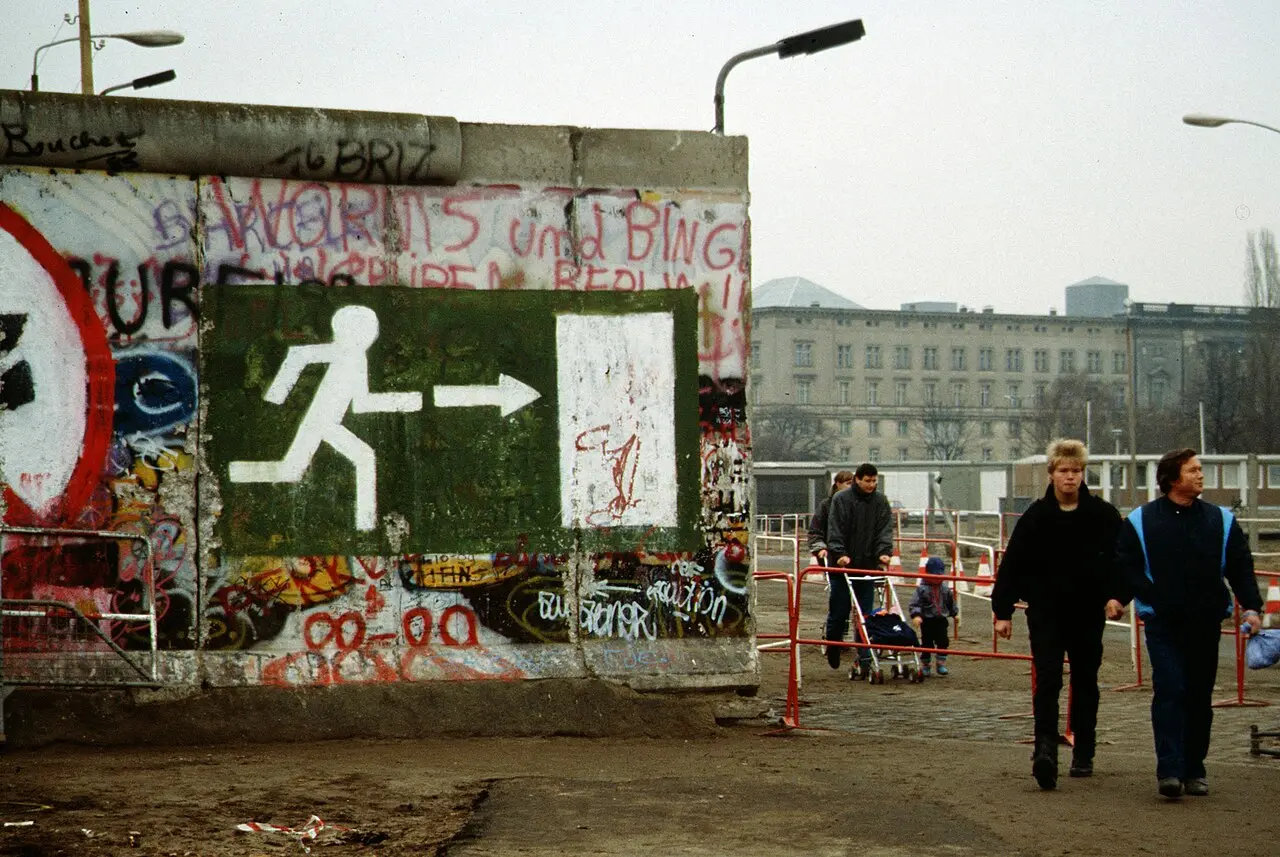
The wall's planned deconstruction began the following June. Germany was officially reunified on October 3, 1990 — less than a year after that extraordinary night — and the Cold War was declared over at the Malta Summit that December.
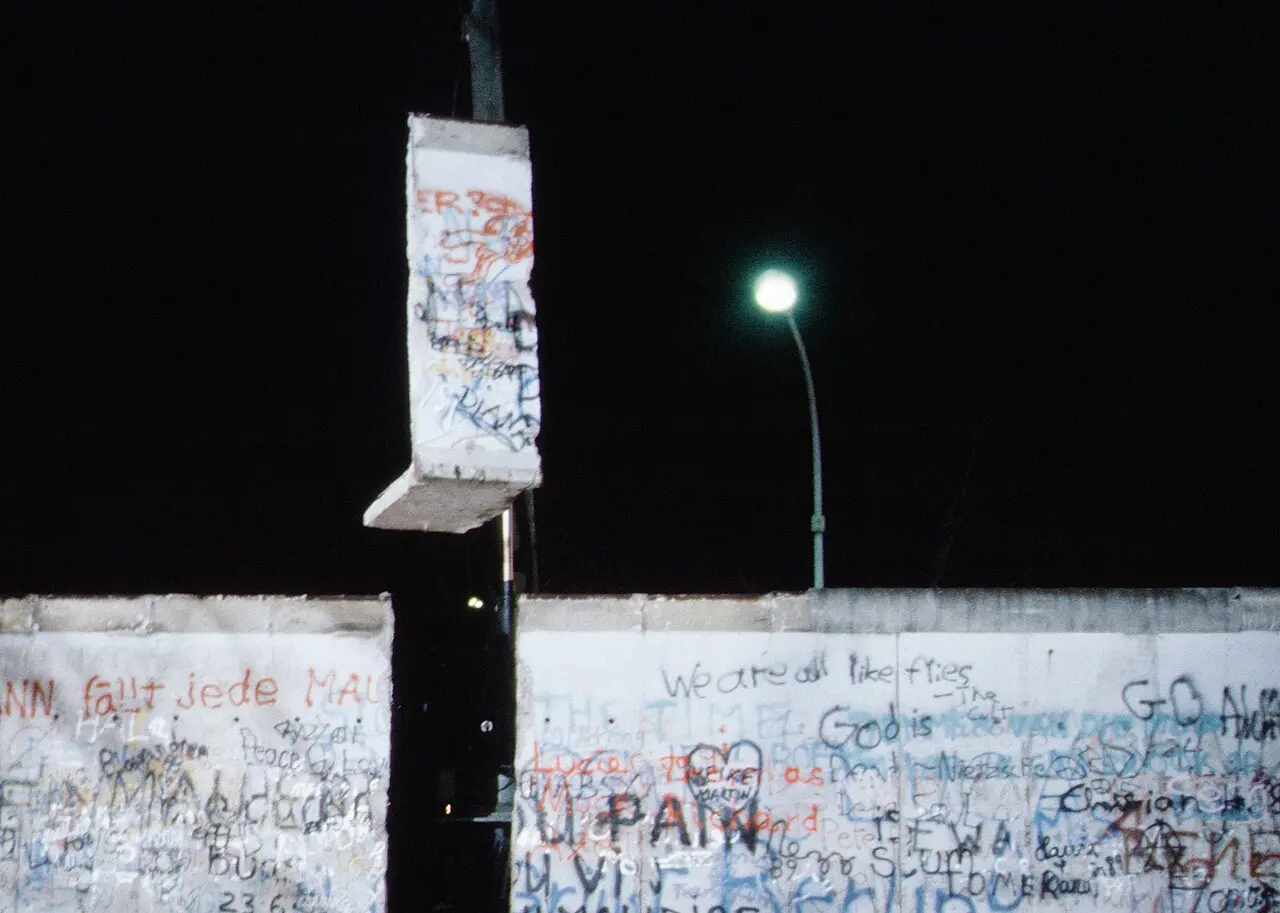
The Berlin Wall fell not to tanks or treaties, but to a bureaucratic slip and a crowd's determination. It remains history's happiest accident: proof that walls built to hold people in can come down in an evening, and that sometimes the most consequential word ever spoken is the one nobody meant to say.
Photo: SSGT F. Lee Corkran, public domain (via Wikimedia Commons).
More photos (via Wikimedia Commons): the Berlin Wall in November 1989 (Vietinghoff, CC0); the fall of the Berlin Wall, 1989 (Raphaël Thiémard, CC BY-SA 2.0).