
The Princess Who Went Up a Tree — and Came Down a Queen
On February 6, 1952, 25-year-old Princess Elizabeth was on a royal tour in Kenya when she learned her father had died in his sleep — and she was Queen.
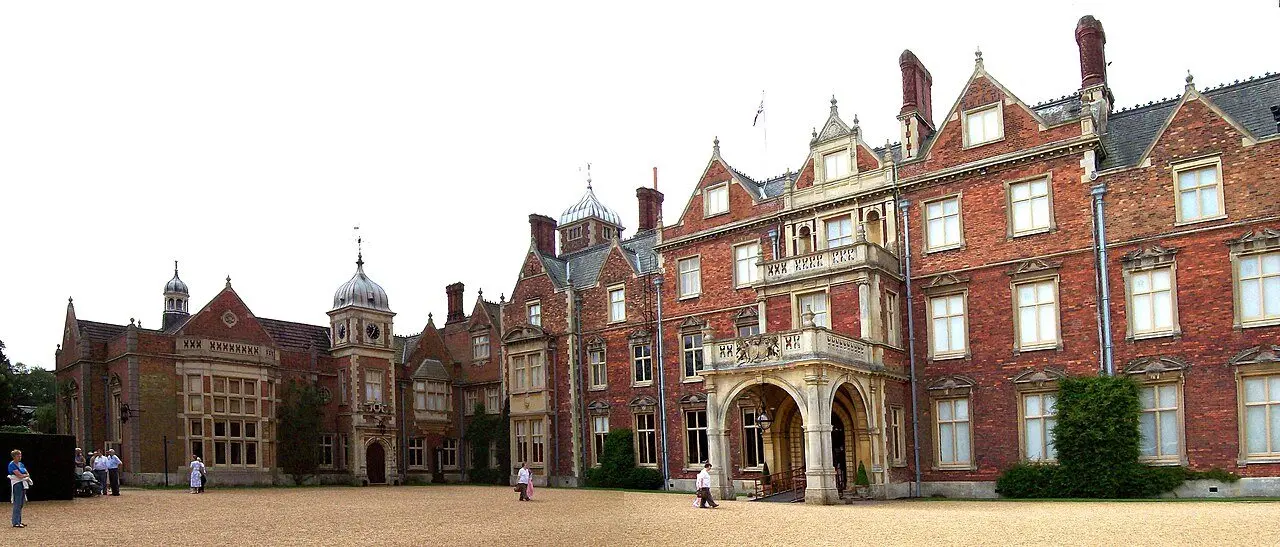
She went to bed a princess and woke up a queen.
In the early hours of February 6, 1952, King George VI died in his sleep at Sandringham House, his country estate in Norfolk, England. He was only 56. The King had been gravely ill with lung cancer and had undergone a serious lung operation about four months earlier, though the public knew little of it. When his valet went to wake him that morning, he found the King had passed away during the night from a coronary thrombosis — a blood clot that reached his heart.
His heir was 4,000 miles away. Twenty-five-year-old Princess Elizabeth and her husband, Prince Philip, were in Kenya at the start of a Commonwealth tour, standing in for her ailing father. They had said goodbye to him at London Airport on January 31, and those on the tarmac that day noticed how gaunt he looked, standing hatless in the winter wind, waving at the plane as it climbed.
The day before, Elizabeth had spent a thrilling evening at the Treetops Hotel, a wooden observation lodge built into the canopy of a giant fig tree in the Aberdare Forest, filming elephants at the watering hole below. On February 6, the couple were resting at nearby Sagana Lodge when the news arrived by telephone: the King was dead.
Philip's aide brought him the message, and Philip — who by all accounts looked as though half the world had fallen on him — took his wife for a walk along a riverbank and told her. In that single moment, the princess became Queen Elizabeth II.
A hunter who had been staying at Treetops that night, Jim Corbett, wrote words to this effect in the lodge's visitors' book: for the first time in the history of the world, a young girl had climbed into a tree a princess and climbed down again a queen.
The new Queen flew home immediately, arriving at Heathrow on February 7 wearing the black mourning clothes that had been packed in her luggage as a precaution — everyone close to the King had quietly understood the trip might end early. Prime Minister Winston Churchill, opposition leader Clement Attlee, and her uncle the Duke of Gloucester were waiting on the tarmac.
The next day, February 8, the Accession Council met at St James's Palace, where some 175 privy councillors watched the young Queen read her accession declaration, and the Garter King of Arms proclaimed her sovereign to the public.
The nation mourned a King it had loved. Some 304,000 people filed past his coffin as it lay in state at Westminster Hall, with queues stretching for miles, and his state funeral was held on February 15 at St George's Chapel in Windsor Castle.
The reign that began that February morning would last more than 70 years, making Elizabeth II the longest-reigning monarch in British history. The girl who came down from the tree became the most recognizable head of state of the 20th century — and it all changed in a single walk along a riverbank in Kenya.
Photo: Len Williams, CC BY-SA 2.0 (via Wikimedia Commons).