'Wonderful Things': Howard Carter Opens Tutankhamun's Tomb, 1922
On November 26, 1922, Howard Carter peered by candlelight through a hole in a sealed doorway and whispered the words that made history: 'Wonderful things.'
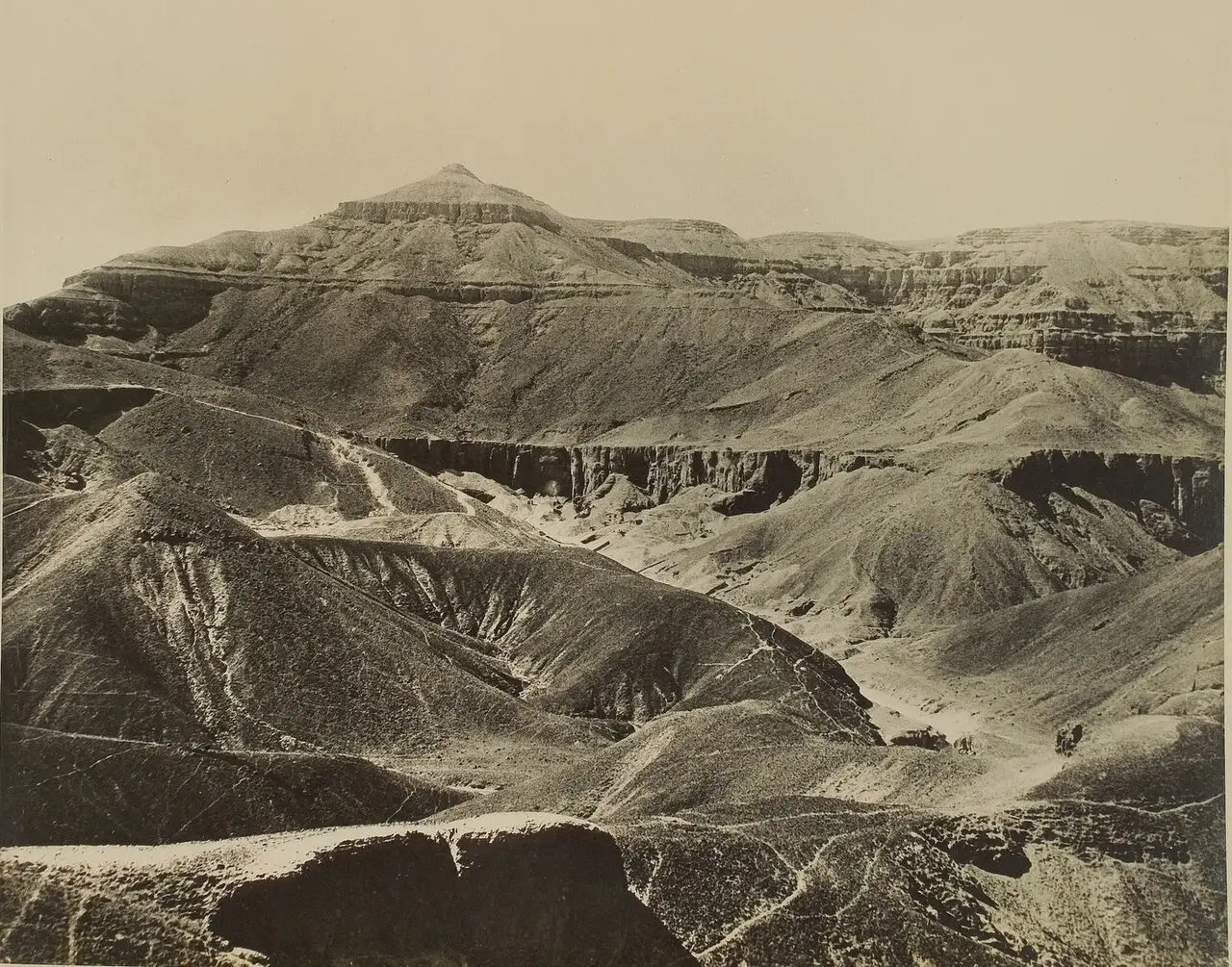
For years, the British archaeologist Howard Carter had searched the Valley of the Kings near Luxor, Egypt, convinced that one pharaoh's tomb was still hidden there — the boy king Tutankhamun. His wealthy patron, Lord Carnarvon, had funded season after season with nothing to show for it, and 1922 was to be the last chance. On November 4, just days into the dig, Carter's workmen cleared the rubble beneath some old workmen's huts and uncovered a step cut into the rock — the top of a sunken staircase.
Carter cabled Carnarvon in England: "At last have made wonderful discovery in Valley; a magnificent tomb with seals intact; re-covered same for your arrival; congratulation." At the bottom of the staircase stood a sealed doorway stamped with the royal seals of Tutankhamun. Carter waited nearly three anxious weeks for his patron to arrive.
On the afternoon of November 26, 1922, with Carnarvon, his daughter Lady Evelyn, and the engineer Arthur Callender crowded behind him, Carter made a small hole with an iron spike through the top of the sealed doorway. He had waited fifteen excruciating days for his patron to arrive from England before daring to go further. He waited for the stale air to clear, inserted a candle, and peered into the darkness — the first light to fall inside for more than 3,200 years. For a long moment he said nothing. Then Carnarvon, unable to bear the silence, asked: "Can you see anything?" And Carter whispered back the most famous sentence in the history of archaeology: "Yes, wonderful things."
As his eyes adjusted, he made out the glint of gold everywhere — gilded beds and chests, statues, dismantled chariots, alabaster vessels, and bouquets of dried flowers left by mourners three millennia before. It was the antechamber of the tomb, and though ancient robbers had twice broken in long ago, the burial itself was essentially intact — the best-preserved pharaonic tomb ever found. The sealed burial chamber, with the young king's sarcophagus, was opened the following February.
Carter spent roughly the next ten years carefully excavating and cataloging the tomb's thousands of objects. The boy king who had died in his late teens, a minor pharaoh in his own time, became the most famous Egyptian who ever lived — and November 26, 1922 became the day the modern world met ancient Egypt face to face.
Photo: Harry Burton, public domain (via Wikimedia Commons).