A Fiddle, a Radio Tower, and the Night Country Music Found Its Voice
On November 28, 1925, Nashville's WSM radio station aired the first WSM Barn Dance, the homespun hoedown show that would grow up to become the Grand Ole Opry.
On the evening of November 28, 1925, a brand-new radio station in Nashville, Tennessee, did something no one had quite done before. WSM-AM — the station of the National Life & Accident Insurance Company, broadcasting from a fifth-floor studio in downtown Nashville — put a 77-year-old fiddle player on the air and let him play.
The fiddler was Uncle Jimmy Thompson, a local legend who claimed he could fiddle the bugs off a sweet-potato vine. The man who introduced him was George D. Hay, a 30-year-old announcer the station had hired just weeks earlier from Chicago's WLS, where he had run that city's hit National Barn Dance. Hay — who styled himself the "Solemn Old Judge" — opened the new show with Thompson sawing through the old breakdown "Tennessee Wagoner," and the WSM Barn Dance was born. Hay even had his performers dress in period costumes and adopt old-timey stage names, selling the romance of the hills to a brand-new medium.
Nobody called it the Grand Ole Opry yet. That name arrived two years later, on the night of December 10, 1927, when the show happened to follow NBC's Music Appreciation Hour, an evening of grand opera. Hay, savoring the contrast, ad-libbed the line that named an institution: "For the past hour, we have been listening to music taken largely from Grand Opera. From now on, we will present the 'Grand Ole Opry.'"
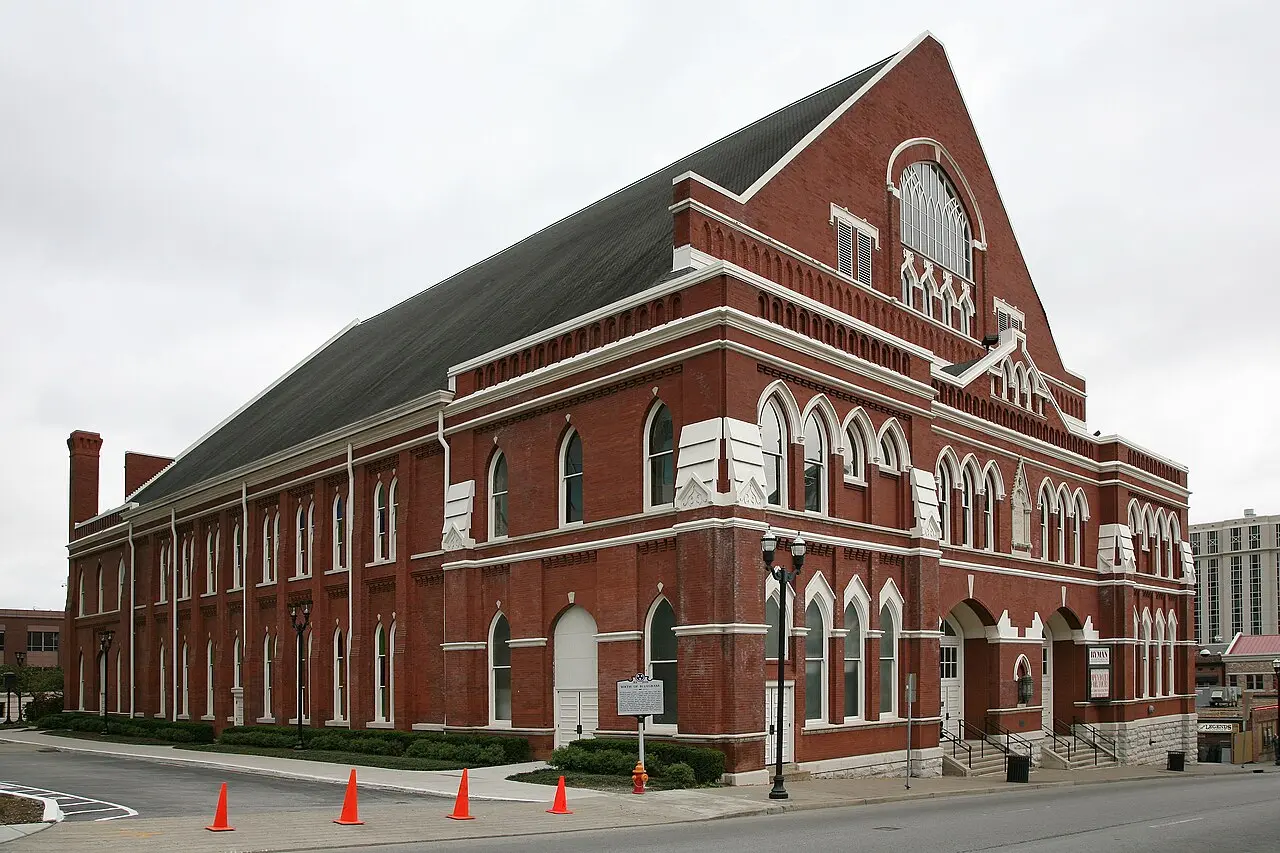
The show grew the way wildfire grows. WSM's powerful signal carried the Saturday-night hoedown across much of the country, and performers who played the Opry became stars: banjo man Uncle Dave Macon, Roy Acuff, the harmonica wizard DeFord Bailey — the show's first Black performer, who debuted in 1926 — and the Fruit Jar Drinkers, whose red-hot fiddle playing Hay liked to use to close each show. Fans began crowding the studio, so the Opry moved to bigger and bigger halls: the Belcourt Theatre, the Dixie Tabernacle, the War Memorial Auditorium, and in 1943, the Ryman Auditorium, a former tabernacle where crowds lined up around the block. In 1974 it settled into its purpose-built Grand Ole Opry House — where, that first year, President Richard Nixon showed up and played "God Bless America" on the piano.
More than 5,000 consecutive weekly broadcasts later, the Opry is still on WSM-AM every Saturday night, still the stage every country singer dreams of playing. It put Nashville on the map as Music City USA — and it all started with one old fiddler, one young announcer, and one November night in 1925.
Photo: Daniel Schwen, CC BY-SA 4.0 (via Wikimedia Commons).