
The Oscars Began as a Fifteen-Minute Dinner
On May 16, 1929, 270 guests paid $5 each to attend the first Academy Awards, where all 12 awards were handed out in 15 minutes at the Hollywood Roosevelt Hotel.
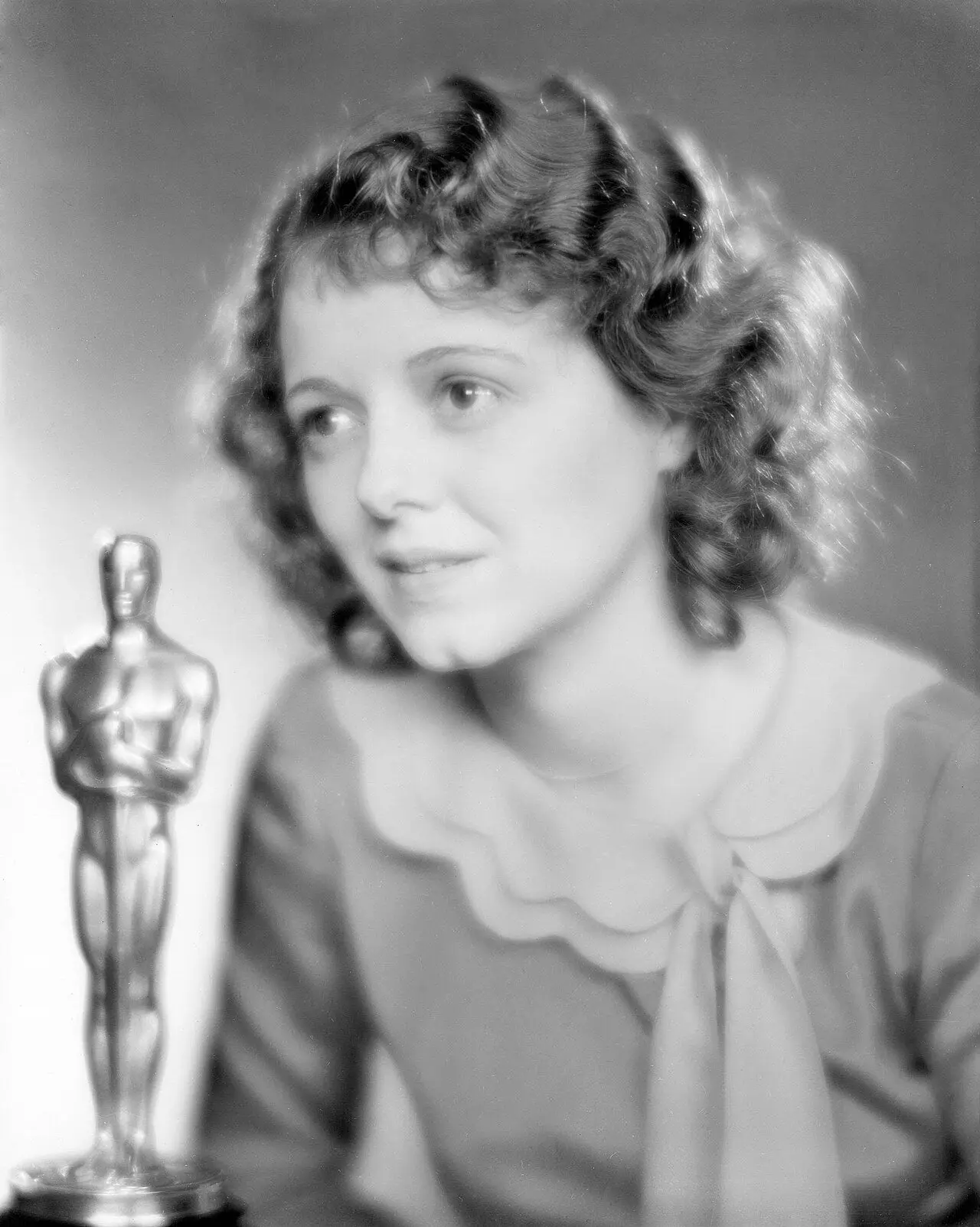
The longest red carpet in the world started with a banquet table. On the evening of May 16, 1929, Hollywood threw itself a dinner party — and handed out the first Academy Awards in about as much time as it takes to order dessert.
The setting was the Blossom Room of the Hollywood Roosevelt Hotel, which had opened just two years earlier. Some 270 guests filled the room, most having paid $5 a ticket. The Academy of Motion Picture Arts and Sciences itself was barely two years old, founded by industry leaders including MGM chief Louis B. Mayer to push the still-young film business toward higher artistic and technical standards.
There was no suspense at all, and that was the point. The winners had been announced three months earlier, on February 18 — printed on the back page of the Academy's own newsletter and buried on page seven of Variety. Academy president Douglas Fairbanks simply presided over the dinner and presented the 12 awards, one after another. Fifteen minutes after he began, it was over: the fastest Oscars ceremony in history, and the only one never broadcast on radio or television.
The top honor went to Wings, the World War I aviation drama directed by William Wellman — to this day the only silent film ever to win Best Picture. Seventh Heaven and Sunrise each took three awards. Janet Gaynor won Best Actress for three different performances — in Seventh Heaven, Street Angel and Sunrise — and Emil Jannings won Best Actor for two, in The Last Command and The Way of All Flesh. Honorary statuettes went to Charlie Chaplin and to Warner Brothers. The famous gold knight statue, designed by art director Cedric Gibbons and sculpted by George Stanley, was already in place.
What makes that quiet dinner remarkable is the timing. Sound was just arriving in theaters — the silent era was dying as the awards were born, and Jannings, the first Best Actor winner, would return to Germany before the talkies took over. The Academy had been founded to elevate the industry, and its little anniversary banquet worked: within a few years the ceremony was a national event, and within decades a global one watched by hundreds of millions.
Nearly a century later, the show lasts four hours instead of fifteen minutes, the ticket is a little harder to get than $5, and the suspense is the whole point. But every February-or-March, when the envelope opens, the room is still living out the plan drawn up at a private dinner on May 16, 1929: an industry handing out its own gold to the best work of the year.
Photo: Academy of Motion Picture Arts and Sciences, public domain (via Wikimedia Commons).