
The Rock Goes Quiet: Alcatraz Closes Its Cell Doors
On March 21, 1963, the last inmates left Alcatraz Federal Penitentiary, ending 29 years as America's most infamous prison.
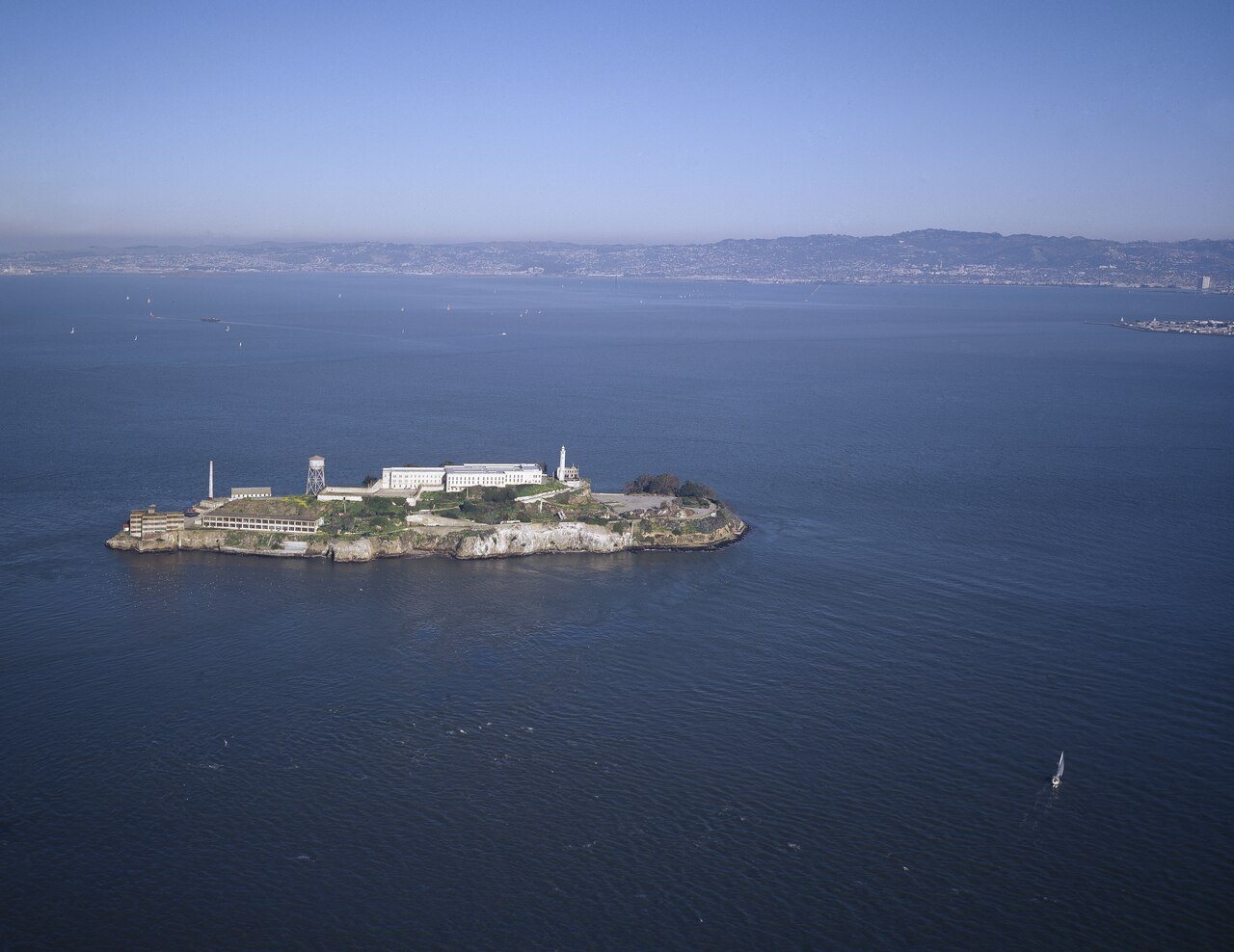
The boats came for them on a Friday morning, crossing the cold gray water of San Francisco Bay for the last time. On March 21, 1963, the final inmates of Alcatraz Federal Penitentiary were ferried off the island to mainland prisons, and the cell doors of "the Rock" clanged shut for good.
Alcatraz had opened in 1934 as the federal government's answer to the gangster era. When the ordinary prisons couldn't hold the country's most notorious criminals, Alcatraz took them: Al Capone, the Chicago bootlegger; George "Machine Gun" Kelly, the Prohibition kidnapper; Robert Stroud, the so-called "Birdman of Alcatraz." They were sent to an island 1.25 miles offshore, surrounded by strong currents and frigid water that made escape nearly impossible. The prison built its legend on isolation and discipline, and it worked.
But the Rock was rotting. Operating a prison on an island meant shipping in everything from food to fuel, and in a 1959 report the Bureau of Prisons found Alcatraz cost $10 per prisoner per day to run, more than three times the $3 average at other federal prisons. Decades of salt spray had eaten through the concrete, and engineers estimated repairs would cost $5 million. Major repairs began in 1958, but by 1961 the engineers considered the place a lost cause.
Then came the embarrassment. On the night of June 11, 1962, three inmates — Frank Morris and brothers John and Clarence Anglin — slipped out of their cells through loosened vents, left dummy heads in their bunks, and vanished into the bay on a makeshift raft. The FBI spent seventeen years on the case before closing its file; officially, the three most likely drowned in the cold water, though the U.S. Marshals' investigation remains open. It was not the island's first violent crisis: in May 1946, an escape plan had exploded into the "Battle of Alcatraz," a multi-day armed standoff that left guards and inmates dead. The escape, the crumbling buildings, and the staggering cost finally settled the question: Attorney General Robert F. Kennedy ordered the prison closed, and on March 21, 1963, it was done.
The end of the prison wasn't the end of the island. After a famous occupation by Native American activists beginning in 1969, Alcatraz was folded into the Golden Gate National Recreation Area in 1972, became a National Historic Landmark in 1986, and today draws roughly 1.4 million visitors a year — people who now ride the ferry willingly, across the same water the inmates crossed only under guard.
Photo: Carol M. Highsmith, Public domain (via Wikimedia Commons).