The Hotel Deal That Sank the Dollar: The Plaza Accord
On September 22, 1985, five nations signed the Plaza Accord at New York's Plaza Hotel, agreeing to drive down the soaring U.S. dollar — and reshaped the global economy.
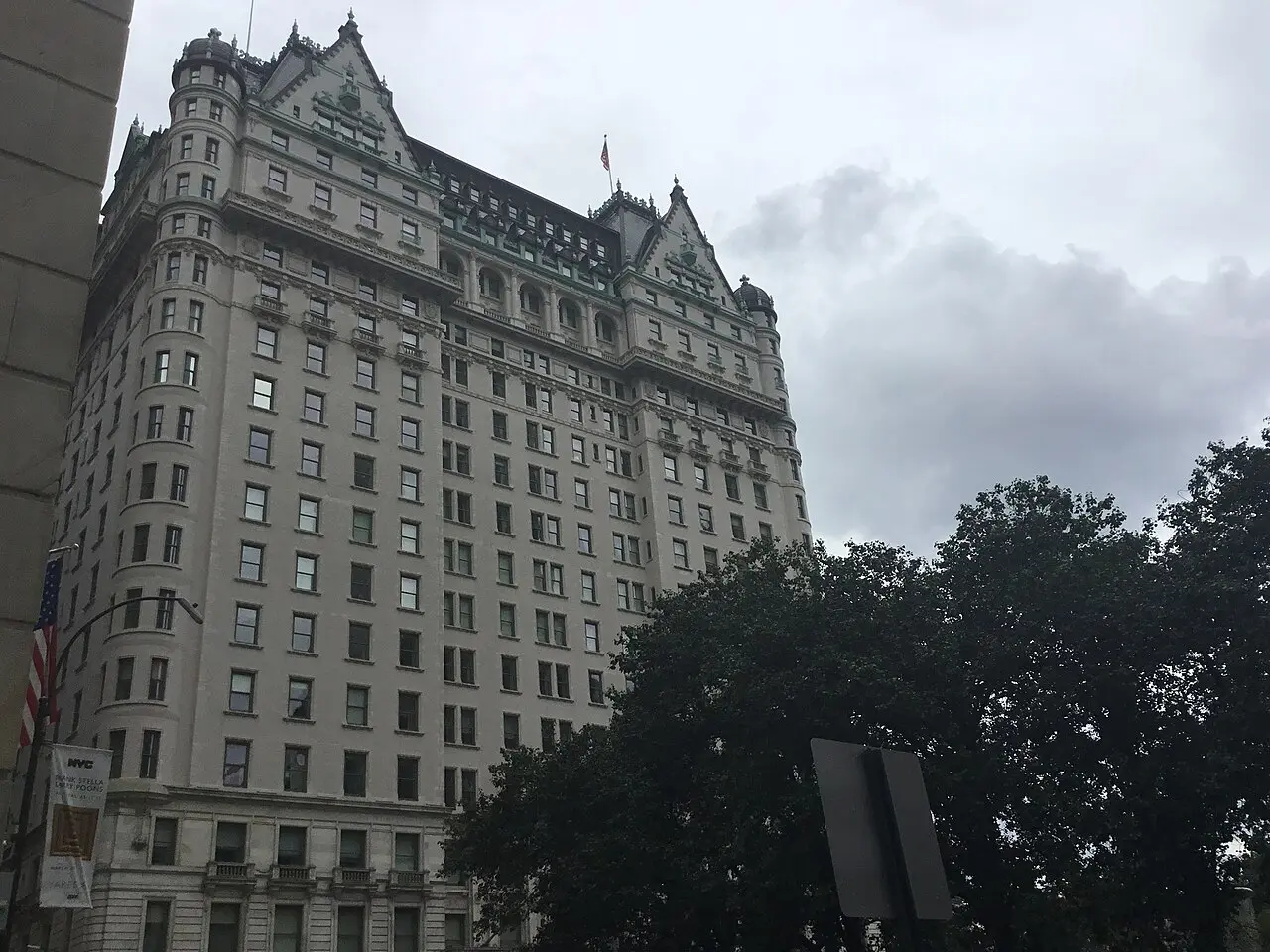
On a Sunday afternoon — September 22, 1985 — five men walked into New York's Plaza Hotel and quietly rewrote the rules of the world economy. They were the finance ministers of the United States, Japan, West Germany, France, and Britain, joined by their central bankers. By the time they left, they had agreed to push down the mighty U.S. dollar. The deal took the hotel's name: the Plaza Accord.
The dollar's strength had become America's problem. Under President Ronald Reagan's tax cuts and the Federal Reserve's tight money policies, U.S. interest rates soared, foreign money poured in, and the dollar climbed more than 47 percent between 1980 and its peak in March 1985. American exports grew expensive; imports grew cheap. Steel mills in Pennsylvania, textile plants in the Carolinas, and auto factories in Michigan were being battered by foreign competition, and giants like Caterpillar and IBM were lobbying Washington for relief. The U.S. trade deficit swelled to around 3.5 percent of GDP, and Congress was reaching for protectionist tariffs.
Treasury Secretary James Baker decided the strong dollar had to come down — as his deputy Richard Darman later recalled, the dollar was "item one on our agenda." Baker spent months quietly lining up his counterparts: Gerhard Stoltenberg of West Germany, Pierre Bérégovoy of France, Noboru Takeshita of Japan, and Nigel Lawson of Britain. The meeting was kept secret until the announcement, to keep speculators from front-running it.
The published agreement was written in deliberate Treasury understatement. It declared that "some further orderly appreciation of the main non-dollar currencies is desirable" — diplomat-speak for: we are going to drive the dollar down, together, by intervening in currency markets.
It worked faster than anyone expected. The dollar dropped about 4 percent the next day and kept falling, losing roughly 40 percent of its value over the next two years. The Japanese yen, which had traded at 240 to the dollar, strengthened to 153 within a year and 120 by 1988. America's manufactured-goods trade deficit shrank by roughly two-thirds, and exports' share of GDP nearly doubled.
The triumph came with asterisks. The dollar had already begun sliding before the meeting, and many economists doubt how much of the fall the Accord itself caused. And for Japan, the soaring yen crushed exporters, prompting the Bank of Japan to slash interest rates — cheap money that inflated the asset bubble whose collapse ushered in Japan's "lost decades" of stagnation. By February 1987 the major powers met again — the Louvre Accord — this time to stop the dollar from falling further.
Still, September 22, 1985 stands as the high-water mark of economic teamwork: the moment five rival nations proved that coordinated government action could move the world's biggest market. Policymakers still invoke the Plaza Accord today whenever a currency looks too cheap for comfort.
Photo: Kidfly182, CC BY-SA 4.0 (via Wikimedia Commons).