Live from New York: Saturday Night Live Premieres, 1975
On October 11, 1975, "NBC's Saturday Night" — the show that became Saturday Night Live — debuted with host George Carlin and a cast of unknown comedians who would change American comedy.
At 11:30 on the night of Saturday, October 11, 1975, a Canadian producer named Lorne Michaels walked onto a stage in New York and introduced a brand-new television show — one that almost nobody expected to survive. Fifty years later, it is still on the air.
The show wasn't even called Saturday Night Live. That title belonged to a rival variety show on ABC hosted by Howard Cosell, so Michaels' program went out as "NBC's Saturday Night." It was a strange, scrappy experiment: a live 90-minute sketch-comedy show airing from Studio 8H in Rockefeller Center, built around a troupe of young, unknown comedians. Michaels had recruited most of them from the National Lampoon Radio Hour and the comedy clubs of Toronto and Chicago. A show writer, Herb Sargent, dubbed them the "Not Ready for Prime-Time Players" — a joke that became their legend.
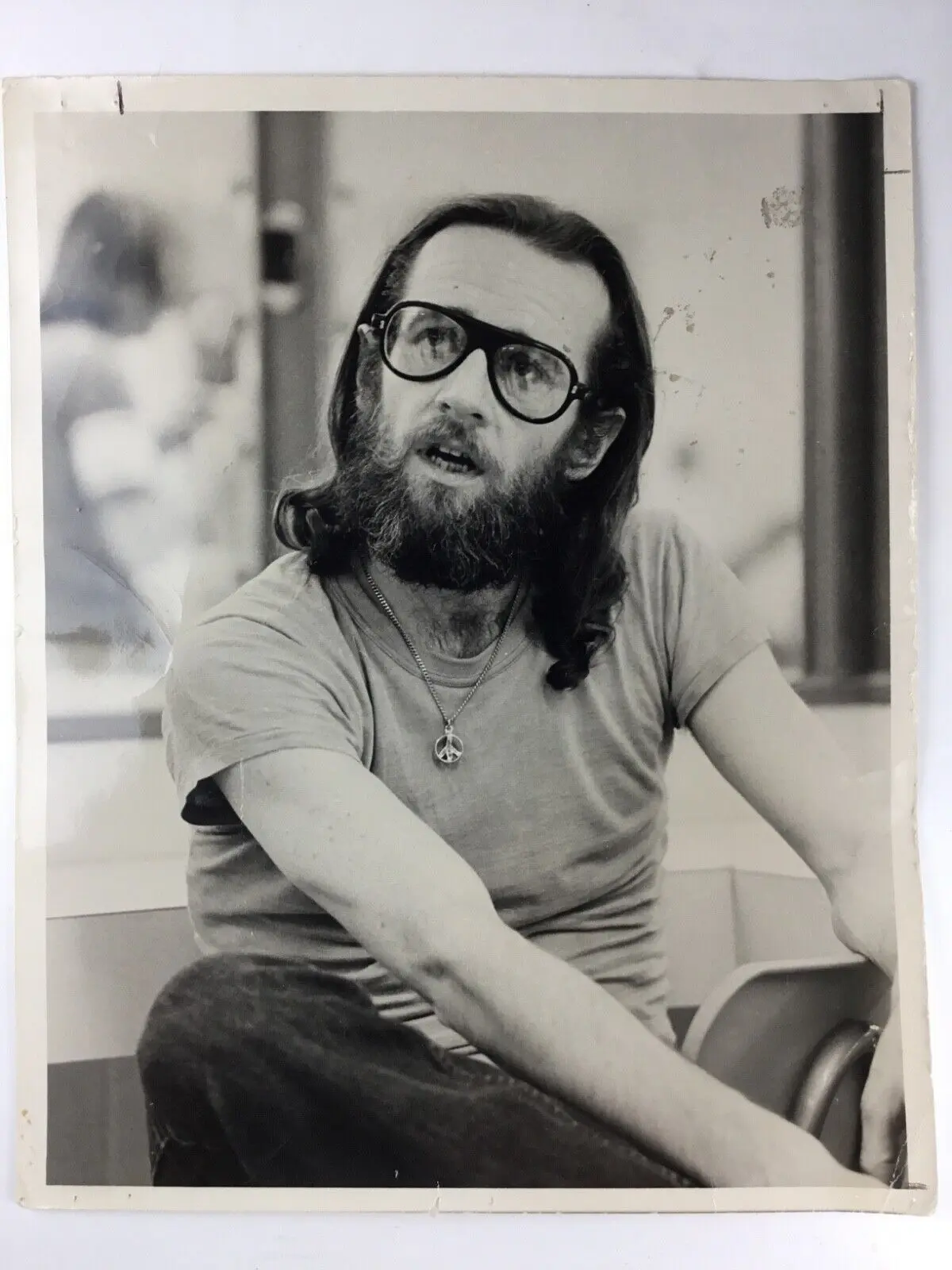
The first host was George Carlin, already famous as a stand-up comic. In a quirk that has never been repeated quite the same way, Carlin didn't appear in a single sketch; he simply did stand-up segments throughout the night, musing on everything from baseball to the weather. The musical guests were Billy Preston and Janis Ian. And somewhere in the middle of it all, an unknown comic named Andy Kaufman came out and lip-synced the Mighty Mouse cartoon theme song, word for word, to a baffled audience. Jim Henson contributed a recurring sketch with a grouchy family of Muppets called the Land of Gorch.
The cast that night — Dan Aykroyd, John Belushi, Chevy Chase, Jane Curtin, Garrett Morris, Laraine Newman, Gilda Radner, plus the little-remembered George Coe — were paid $750 an episode and essentially lived at the office. The show didn't find its footing immediately; it was the fourth episode, hosted by Candice Bergen, that finally clicked. But something about the live-wire chaos worked. The humor was sharper and more daring than anything else on network television — political, irreverent, willing to offend — and a cult audience grew fast. Chevy Chase, the show's first breakout star with his pratfalling Weekend Update anchor, left midway through the second season for the movies. He was the first of many.
The chaos of that first night has itself become show business folklore: it was dramatized decades later in Jason Reitman's film Saturday Night, about the frantic hours before the premiere went live.
Why does one late-night comedy debut still matter? Because October 11, 1975, was the night American television comedy changed shape. The show launched the careers of generations — Belushi, Aykroyd, Radner, and hundreds after them — and proved that live, unpredictable, sometimes-messy comedy could be a weekly institution. Sketch comedy, political satire, and the entire machinery of viral comedy moments we know today all trace back to that uncertain night in Studio 8H, when a Canadian producer bet that America was ready to laugh at itself at 11:30 on a Saturday.
Photo: publicity portrait of George Carlin, c. 1972, public domain (via Wikimedia Commons).