57 to 47: The Vote That Made the Constitution the Law of the Land
On June 21, 1788, New Hampshire voted 57 to 47 to ratify the Constitution, becoming the ninth state and making the document the law of the land.
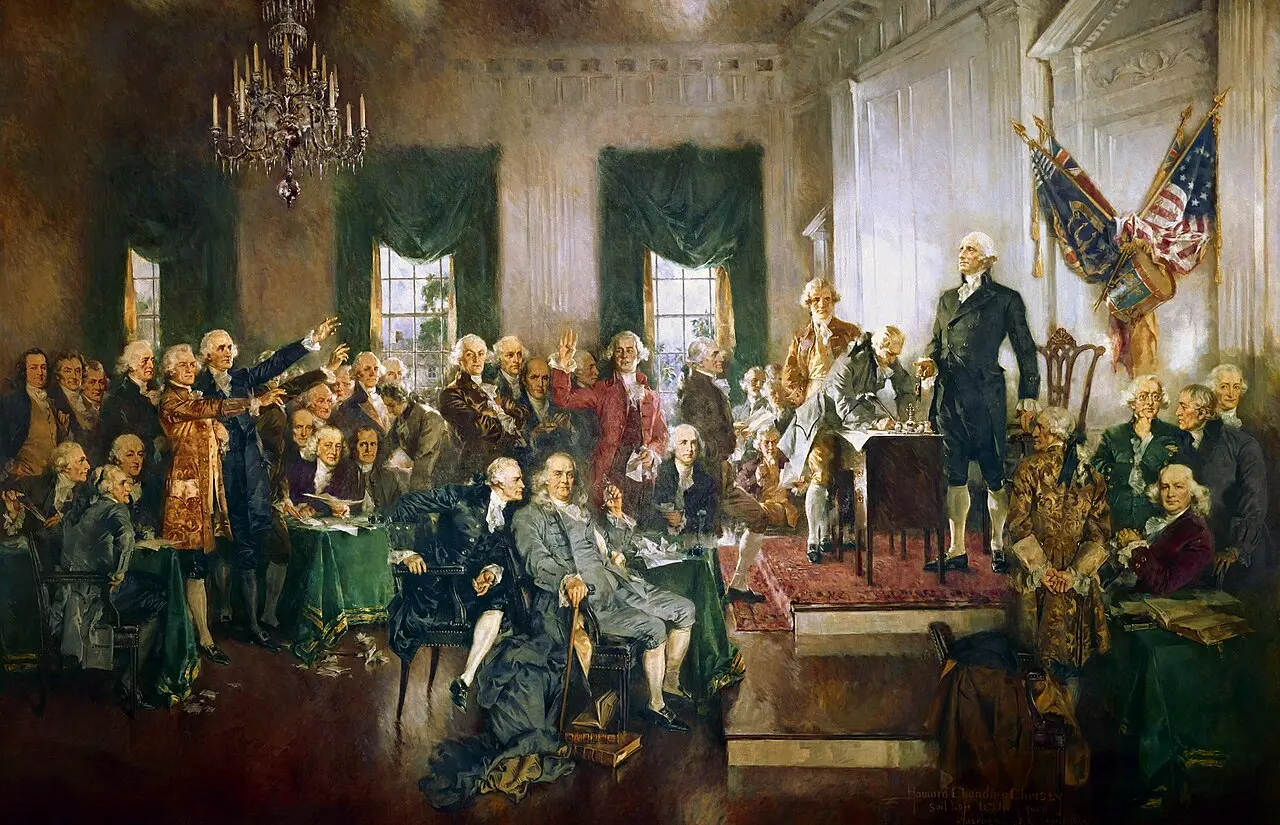
At one o'clock on a Saturday afternoon, inside a wooden meeting house in Concord, New Hampshire, the convention secretary wrote down the numbers: 57 to 47. With that vote, the United States finally had a Constitution.
Article VII of the proposed Constitution set the bar: the document would take effect once nine of the thirteen states ratified it. By the spring of 1788, eight had done so — Delaware, Pennsylvania, New Jersey, Georgia, Connecticut, Massachusetts, Maryland, and South Carolina. But the big states were holding out, and without a ninth vote, the framers' grand design would die on paper.
New Hampshire's convention had first met in Exeter that February and adjourned without daring a vote. When it reconvened in Concord's Old North Meeting House on June 18, only 90 of the 113 delegates bothered to show up — and most of the absentees were opponents of the Constitution. Suddenly the Federalists saw their chance: New Hampshire could become, as they put it, "the keystone of the federal arch," beating Virginia's overlapping convention to the honor of casting the decisive ninth vote.
The Anti-Federalists fought to make ratification conditional on amendments first. The Federalists countered with the Massachusetts compromise: ratify now, and recommend amendments afterward — a list focused on individual rights, much like the ones Massachusetts had proposed. The adjournment motion failed. Then came the main vote. The secretary even recorded the exact time — one in the afternoon — so that if Virginia voted the same day, there could be no dispute over who had given life to the Constitution first.
The news electrified the young nation. Virginia ratified four days later, on June 25, and New York followed on July 26. The Confederation Congress set March 4, 1789, as the day the new government would begin operating. The recommended amendments soon became a formal proposal: on September 25, 1789, Congress sent twelve amendments to the states, ten of which were ratified in 1791 as the Bill of Rights. North Carolina and Rhode Island, the last holdouts, joined in 1789 and 1790.
New Hampshire's vote mattered because the framers had made a daring bet in Article VII: that nine states were enough to start a nation, even without unanimity. That Saturday afternoon in Concord proved them right — and the document they brought to life is now the oldest written national constitution still in operation anywhere in the world.
Photo: Howard Chandler Christy, public domain (via Wikimedia Commons).