Wyoming Gives Women the Vote — 51 Years Before the Nation
On December 10, 1869, Wyoming Territory granted women full voting rights and the right to hold office — the first government in the United States to do so.
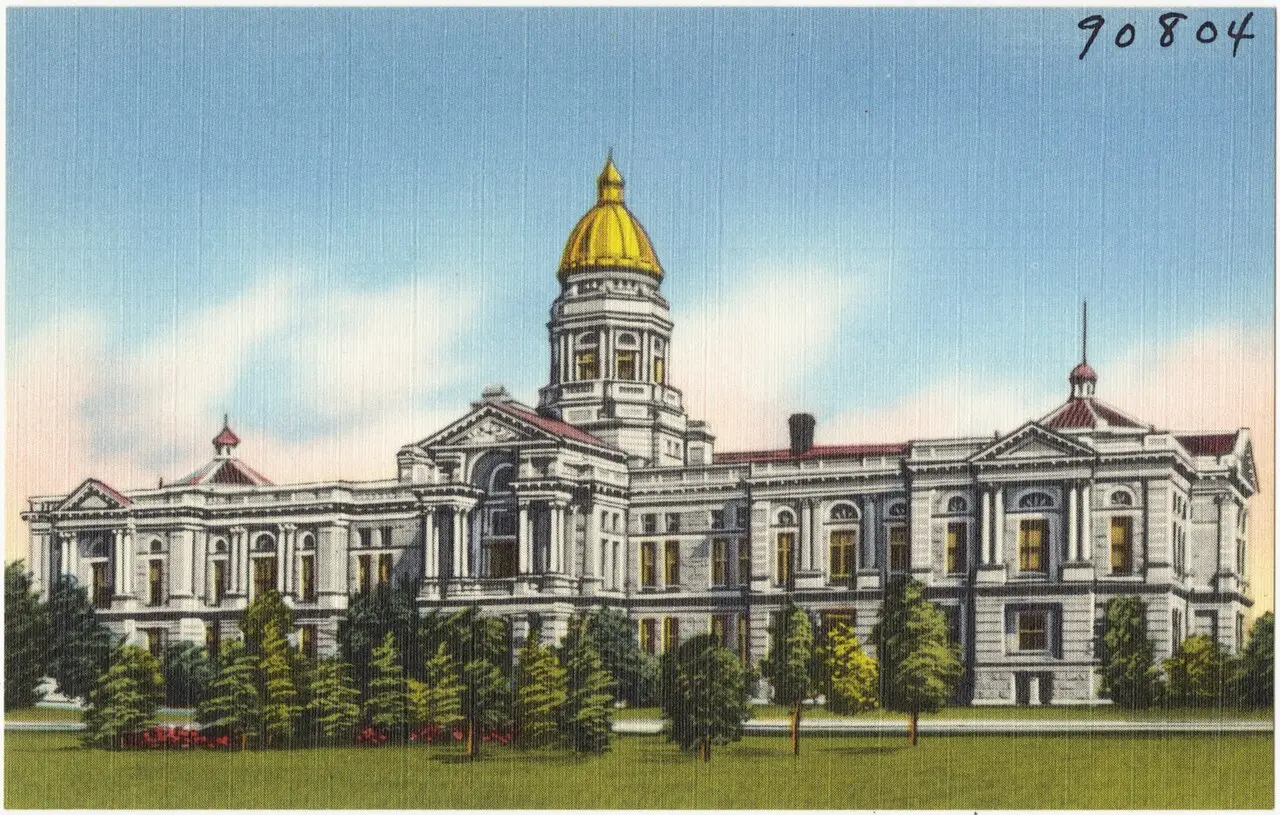
In 1869, the wildest edge of the American frontier did something no government in the United States had ever done — and it started with a saloonkeeper's bill.
Wyoming Territory had been carved out of Dakota, Utah, and Idaho territories only the year before, in 1868. It was rough country: gold and coal camps, railroad crews, and roughly 6,000 adult men to barely 1,000 women. Into this landscape walked William H. Bright, a saloon owner from South Pass who had been elected president of the territorial Council, the upper house of the legislature. Bright introduced Council Bill No. 70: "An Act to grant the women of Wyoming Territory the right of suffrage and to hold office."
The motives were a tangle of principle and politics. Bright's young wife, Julia, was an enthusiastic suffragist. Some legislators genuinely believed in equality. Others saw a practical lure: the vote might entice women to settle in a territory desperately short of them. And in the Reconstruction-era West, there was a sharper argument — if Black men and Chinese immigrants were gaining the vote under the new constitutional amendments, then women, especially white women, should be "rung in" too.
The bill's ride was anything but smooth. The Council passed it 6 to 2. In the House, opponents first treated it as a joke; one tried to kill it with indefinite postponement, then with a poison-pill amendment extending the vote to "all colored women and squaws." Both failed. The House raised the voting age for women from 18 to 21, then passed the bill 7 to 4, with one abstention.
Then it sat on the desk of Governor John A. Campbell, a Republican Union Army veteran. Campbell took four days to decide — and according to one account, suffragist Amalia Post and her friends kept vigil at his residence, threatening to stay until he signed. On December 10, 1869, he signed. The same session, he also approved companion measures giving married women property rights and women teachers equal pay.
The results came fast. In September 1870, 69-year-old Louisa Ann Swain cast her ballot in Laramie — the first woman to vote under the new law. The Laramie Sentinel reported no jeers: "There was too much good sense in our community for any jeers or sneers to be seen on such an occasion." Women served on juries for the first time in American history. In 1870, Esther Morris became the territory's first female justice of the peace, deciding more than 40 cases.
When Wyoming sought statehood in 1890, Congress balked at the suffrage provision — and Wyoming's leaders reportedly answered that they would rather remain out of the Union for a hundred years than enter without it. Wyoming joined as the first state with full women's suffrage, a full 51 years before the 19th Amendment extended the vote to women nationwide in 1920.
It matters because the frontier beat the nation by half a century. In a rough mining territory, an all-male legislature, moved by a saloonkeeper's bill, proved that rights can advance in the most unlikely places — and that once given, they are very hard to take away.
Photo: Boston Public Library, CC BY 2.0 (via Wikimedia Commons).