The Phone Call That Put a Woman on the Supreme Court
On July 7, 1981, President Reagan announced Sandra Day O'Connor as his Supreme Court nominee — the first woman ever chosen for the Court.
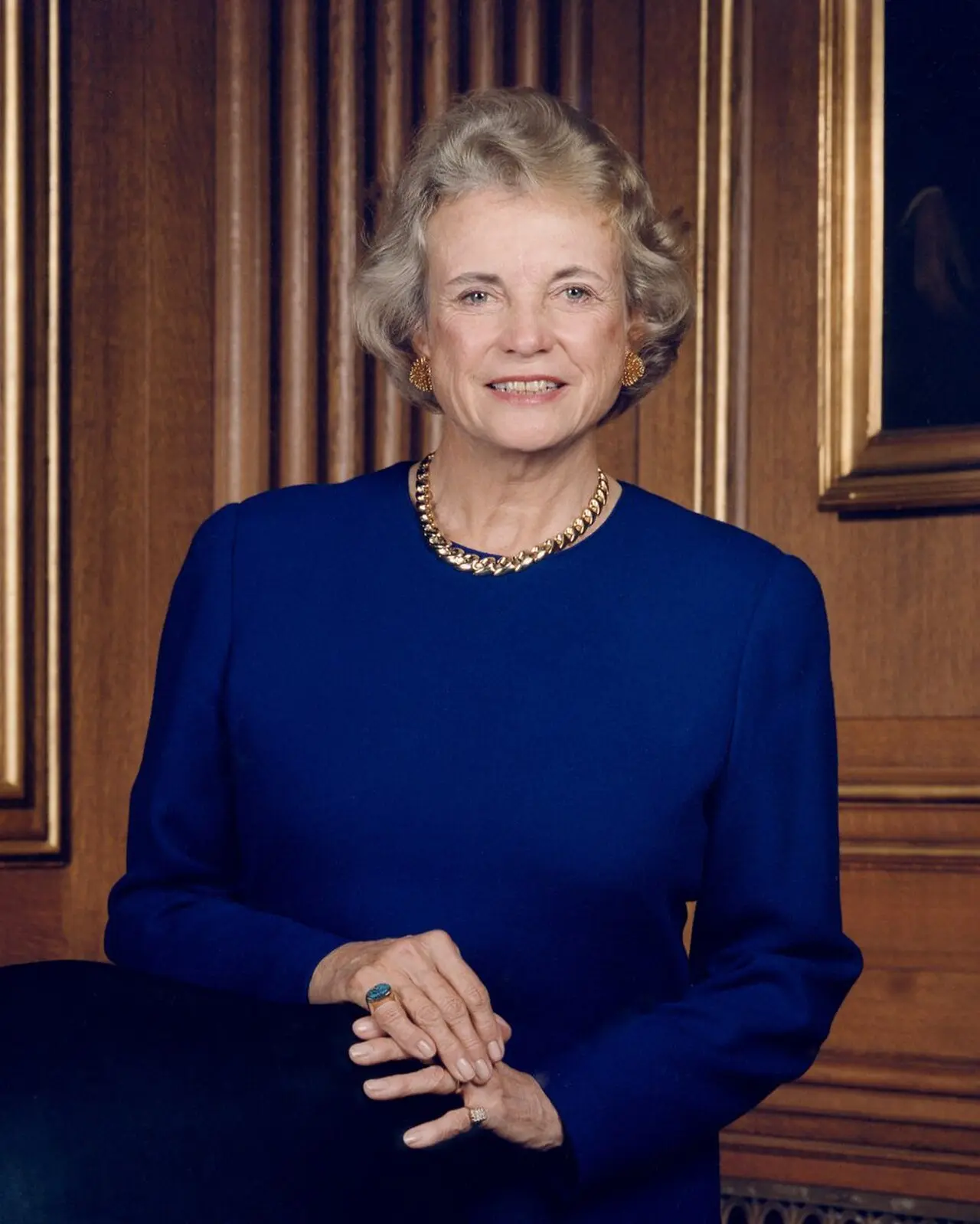
The call came on July 6, 1981. On the line was the President of the United States — and Arizona judge Sandra Day O'Connor had no idea she was even a finalist. Ronald Reagan told her she was his nominee for the Supreme Court. The next day, he announced it to the world: O'Connor would fill the seat of retiring Justice Potter Stewart, becoming the first woman ever nominated to the highest court in American history.
Reagan was keeping a promise. During the 1980 campaign he had pledged to appoint a woman to the Court at his earliest opportunity, and he chose O'Connor from some two dozen candidates.
Her path to that phone call had been an obstacle course. Raised on the Lazy B, a sprawling cattle ranch in Arizona, she learned to drive a truck as soon as she could see over the dashboard and to fix what broke. She excelled at Stanford Law School, making Law Review alongside future Chief Justice William Rehnquist — and then discovered that top law firms simply would not hire a woman as a lawyer.
So she built her own ladder: assistant attorney general of Arizona, then the state senate, where she became the first woman in American history to lead a state senate as majority leader. In 1974 she won election as a county judge; in 1979, Democratic Governor Bruce Babbitt put her on the Arizona Court of Appeals. Her reputation crossed party lines.
The nomination was not universally cheered — anti-abortion groups lobbied hard against her, suspecting she would not vote to overturn Roe v. Wade. But after confirmation hearings, the Senate voted 99–0 in her favor, and on September 25, 1981, she was sworn in as the 102nd justice — and the first woman — in the Court's 191-year history.
For the next quarter-century, O'Connor was the most important swing vote in American law, the pragmatic center of a divided Court on issues from abortion to affirmative action to the 2000 election. She retired in 2006.
It matters because representation is a door that only needs opening once. O'Connor's nomination ended nearly two centuries of an all-male Court; within a generation, the idea of a Supreme Court without women became unthinkable. Every girl who has watched a woman in the black robe ask the hardest questions in the room is living in the world that phone call made.
Photo: Official portrait of Justice Sandra Day O'Connor. Public domain as a work of the U.S. federal government (via the Library of Congress); image via Wikimedia Commons.