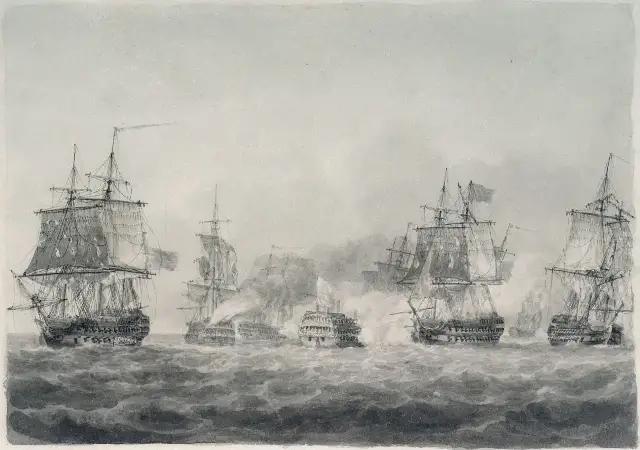
Apollo Rises from the Ashes: The Flight That Saved the Moon Program
Twenty-one months after the Apollo 1 fire killed three astronauts, Apollo 7 launched on October 11, 1968 — and proved America could still reach the Moon.
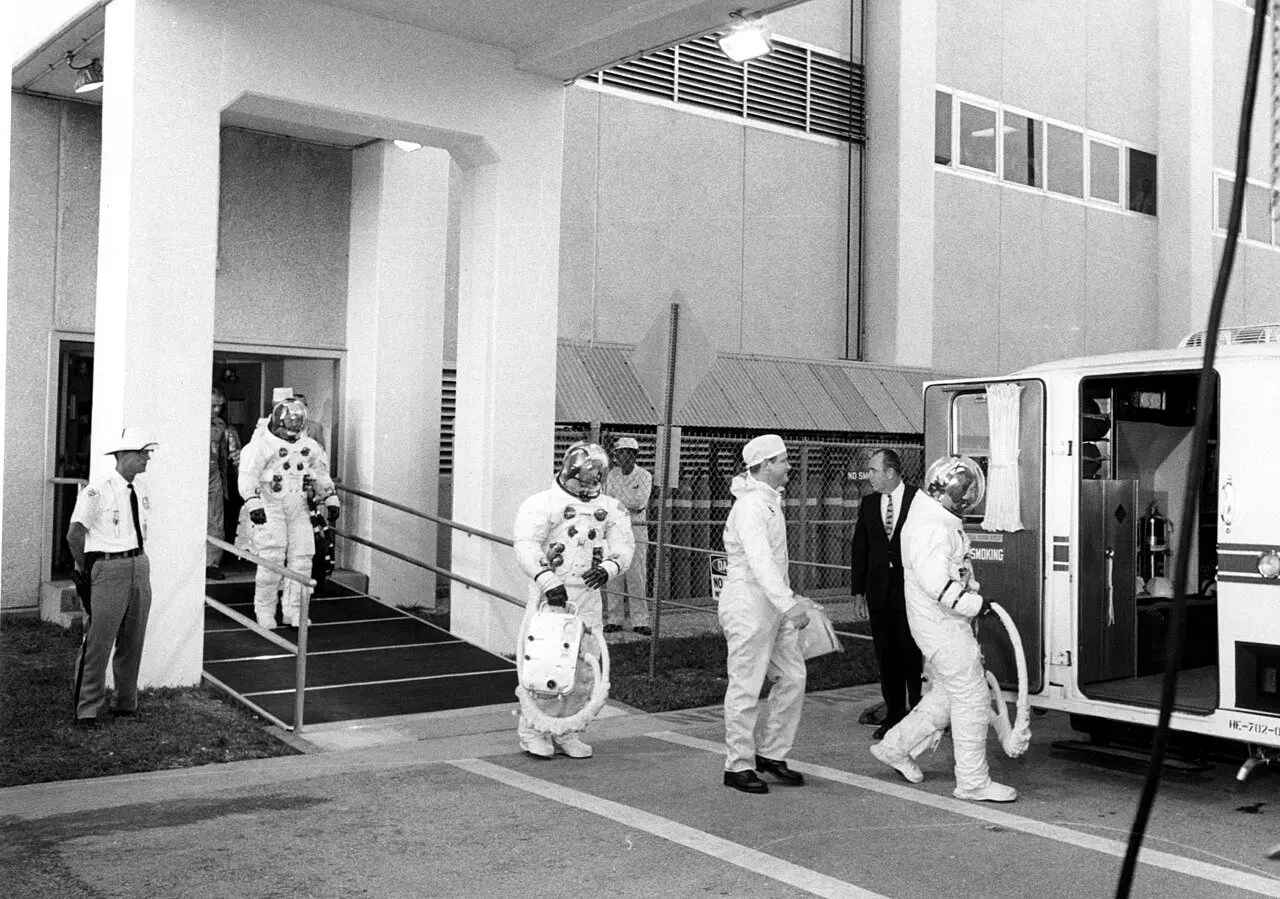
Three men in white spacesuits walked out of the Manned Spacecraft Operations Building at Cape Kennedy and climbed into a transfer van. It was October 11, 1968, launch day for Apollo 7 — and twenty-one months earlier, three astronauts had died in a fire on a launchpad not far away. America was holding its breath.
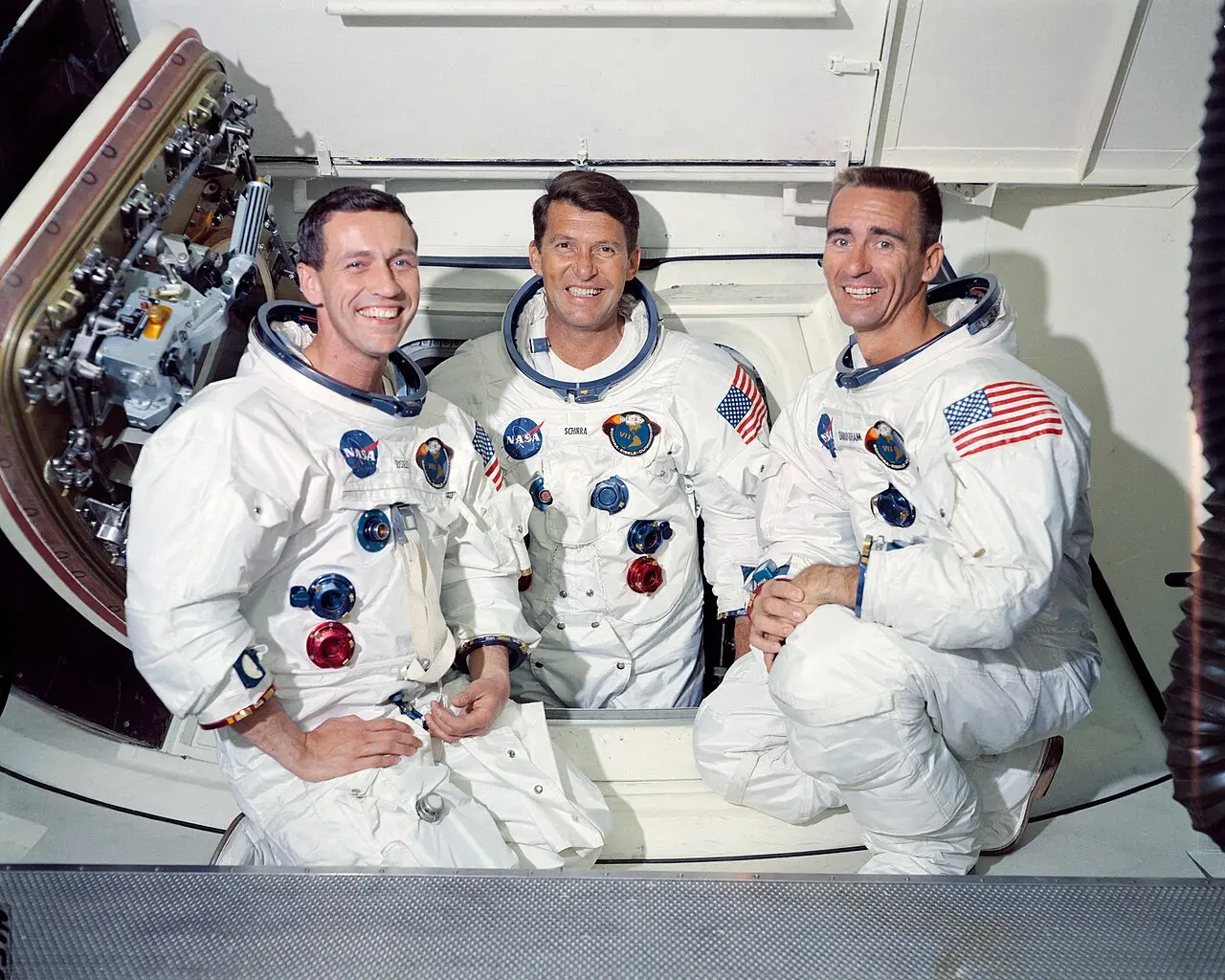
The fire had come on January 27, 1967, during a routine test: Virgil "Gus" Grissom, Ed White, and Roger Chaffee were killed aboard Apollo 1. Human spaceflight was grounded while investigators tore the program apart. The crew of Apollo 7 — commander Wally Schirra, command module pilot Donn Eisele, and lunar module pilot Walt Cunningham — had spent much of those 21 months personally monitoring the rebuilding of their spacecraft, with some 1,060 design changes made along the way. Schirra, one of the original Mercury Seven, had already decided this would be his last flight; it would make him the first human to fly in space three times.
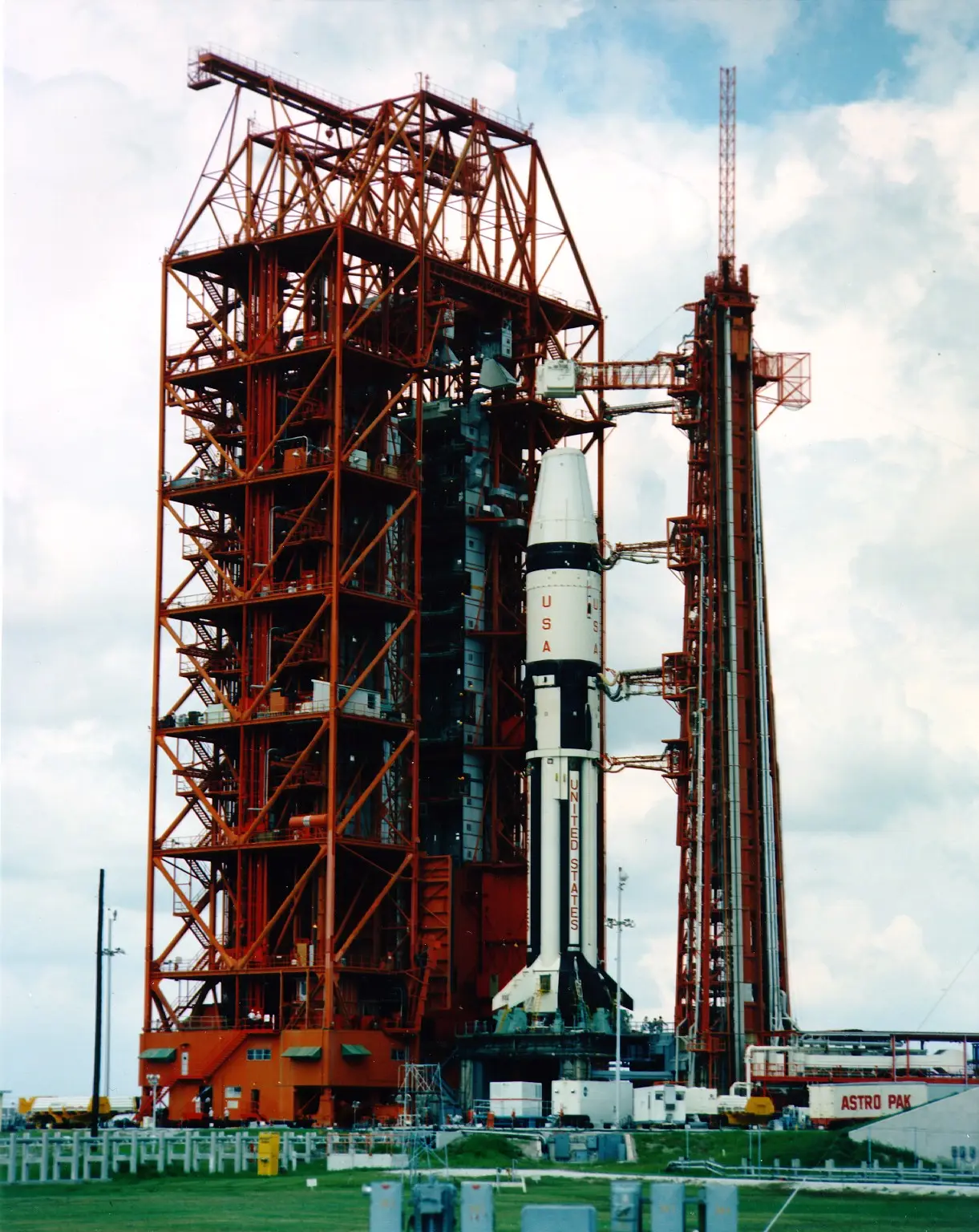
Schirra had nearly called it off. High winds at the pad made him worry that an abort in the first minute of flight could injure the crew. But at 11:03 a.m. Eastern, the Saturn IB roared away from Launch Complex 34. "She is riding like a dream," Schirra radioed. The mission was a meticulous shakedown: the crew fired the engine, practiced rendezvous and docking with the rocket's upper stage to rehearse the maneuvers that would one day extract a lunar module, and — on the second day — beamed the first live television pictures from inside an American spacecraft. Schirra dubbed the broadcasts "The Walt, Wally and Donn Show."
It was not all smooth. Schirra wanted to name the spacecraft "Phoenix," after the firebird reborn from ashes, in honor of Grissom, White, and Chaffee — but NASA vetoed it, fearing any reminder of fire. Mid-mission, Schirra caught a head cold and passed it to Eisele, and worrying about congestion inside sealed helmets, the crew defied Mission Control and performed reentry without them. The arguments got heated enough that, afterward, NASA management decided none of the three would fly in space again.
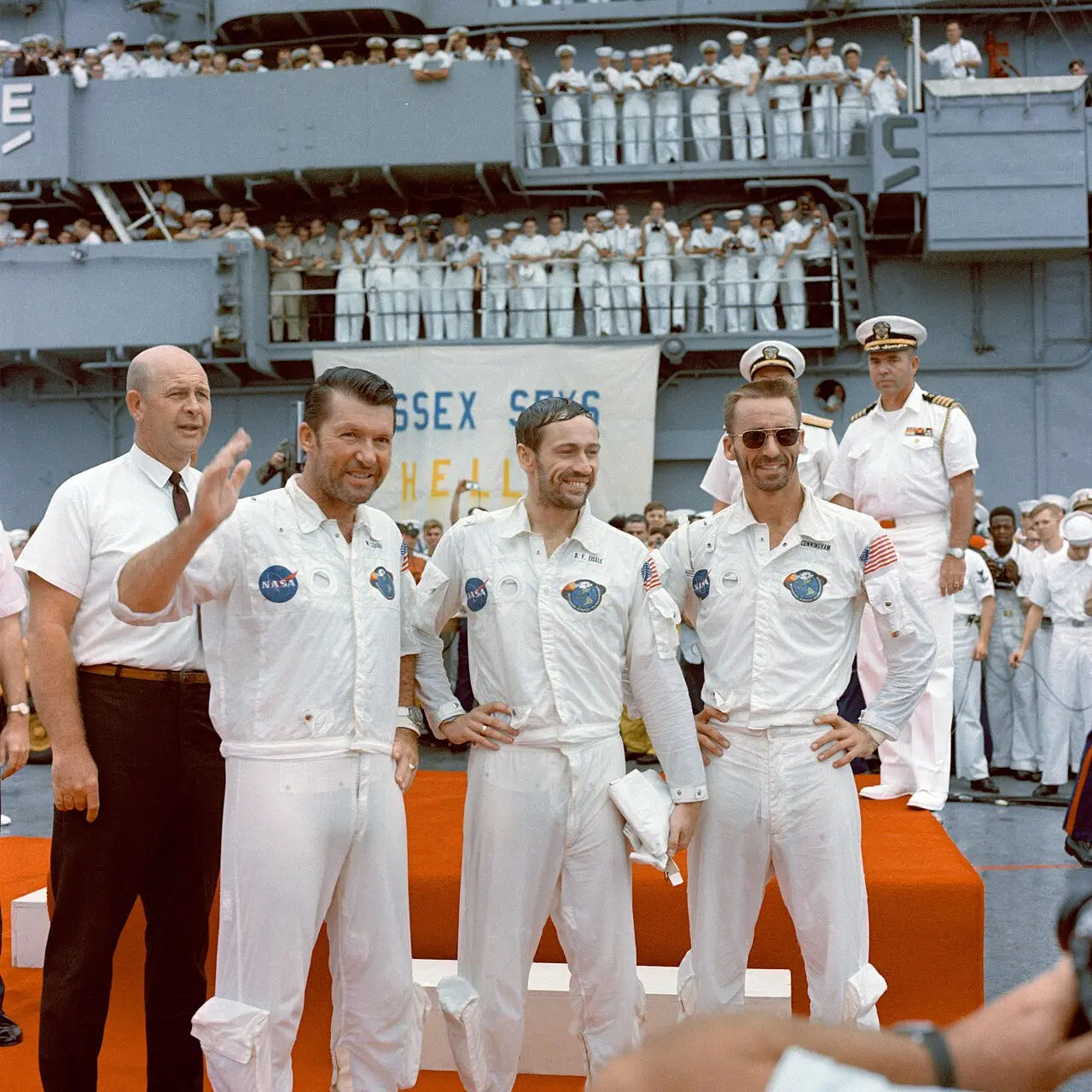
But as a technical mission, Apollo 7 was a complete success. After 163 orbits and 10 days and 20 hours in space, the crew splashed down safely southeast of Bermuda on October 22. Every system NASA needed for a Moon landing had worked. Two months later, emboldened by Apollo 7, NASA sent Apollo 8 around the Moon — the boldest mission yet.
Apollo 7 matters because it was the hinge between tragedy and triumph. The program could have stalled in mourning after Apollo 1; instead, three astronauts climbed back into the fire's successor and proved the machine — and the mission — worthy of the Moon. Every Apollo landing that followed, all the way to Apollo 17, traced back to that October morning.
Photo: NASA, public domain (via Wikimedia Commons).
More photos (NASA, public domain, via Wikimedia Commons): the Apollo 7 prime crew; the crew welcomed aboard the recovery ship USS Essex; the Saturn IB rocket on its pad at Complex 34.