Terror Beneath the Towers: The 1993 World Trade Center Bombing
On February 26, 1993, a truck bomb exploded in the garage beneath the World Trade Center's North Tower, killing six people and wounding more than a thousand.
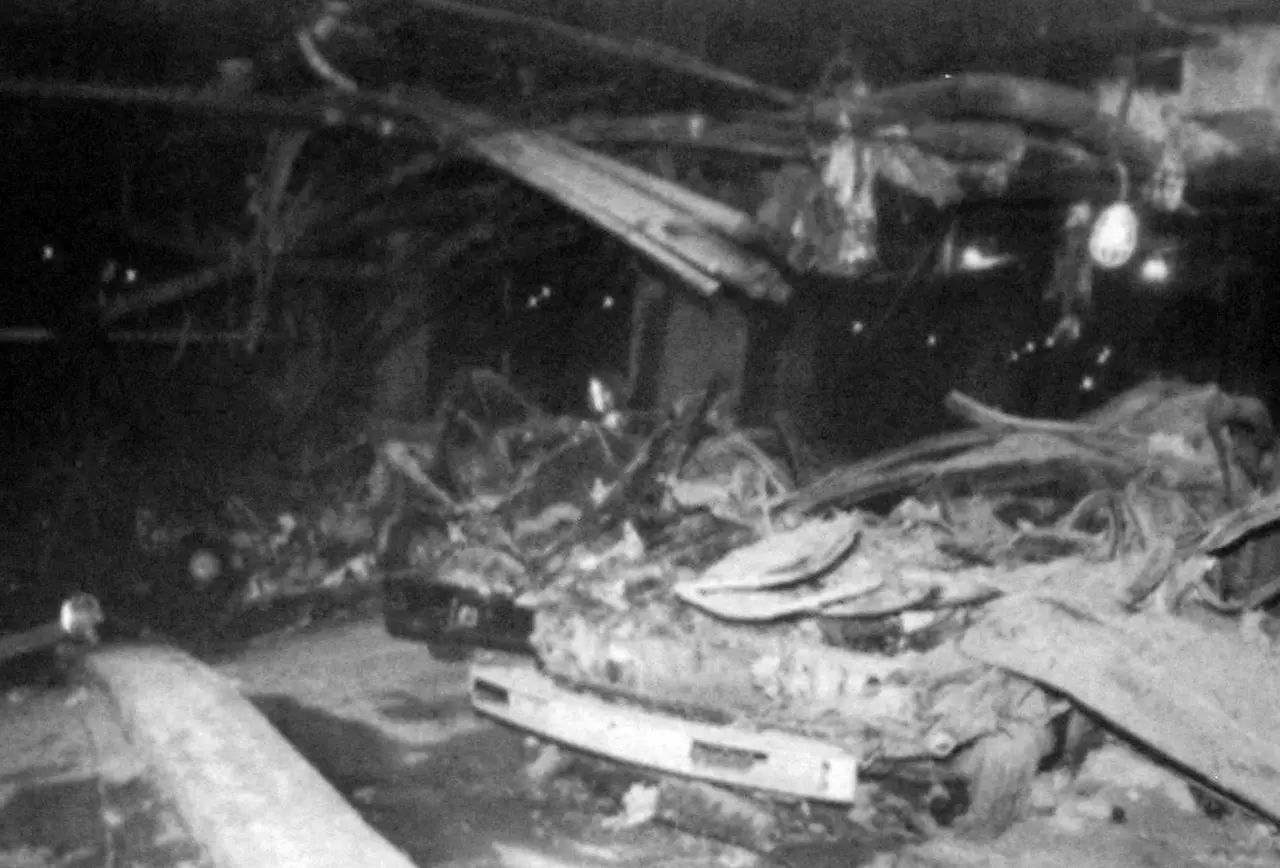
At 12:18 p.m. on Friday, February 26, 1993 — the middle of the lunch hour in lower Manhattan — the ground beneath the World Trade Center shook.
A rented Ryder van sat parked on the B-2 level of the underground garage beneath the North Tower. Inside it were more than a thousand pounds of urea-nitrate explosives and cylinders of hydrogen gas. When the bomb detonated, it tore open a crater some 100 feet wide and several stories deep, collapsed walls and floors, and sent thick black smoke billowing up through both 110-story towers. Around 50,000 people were evacuated as firefighters climbed stairwells to reach hundreds of people trapped in elevators and on smoke-filled floors.
Six people were killed in the blast: John DiGiovanni, Robert Kirkpatrick, Stephen Knapp, William Macko, and Wilfredo Mercado — and Monica Rodriguez Smith, who was seven months pregnant and had been due to start maternity leave the very next day. More than a thousand others were injured, most suffering smoke inhalation during the long evacuation. Among those making their way down the stairs were a class of kindergartners from Brooklyn, who had been visiting the observation deck on the 107th floor.
The attack was the work of a small terrorist cell led by Ramzi Yousef. His ambition was staggering: investigators later learned he had hoped the explosion would topple the North Tower into the South Tower, killing as many as 250,000 people. He failed — but only just.
The bombers were undone by their own carelessness. A surviving section of the van's frame still bore its vehicle identification number, which led investigators to a Ryder agency in Jersey City. The renter, Mohammed Salameh, had reported the van stolen the day before the attack — then returned to the agency demanding his $400 deposit back. The FBI was waiting. Within months, four conspirators were on trial; in March 1994, all were convicted and sentenced to centuries in prison.
At the time, many Americans filed the bombing away as a shocking anomaly. In the words of the FBI's own historical account, though, "Middle Eastern terrorism had arrived on American soil" — and the 1993 attack is now understood as a grim preview of September 11, 2001, when terrorists would strike the same towers again. It exposed dangerous gaps between law enforcement and intelligence agencies, and it changed, permanently, how the United States thought about security at home.
Every February 26, the names of the six victims are read aloud at the National September 11 Memorial, and a moment of silence is observed at 12:18 p.m. — the minute the bomb went off.
Photo: U.S. Department of State Diplomatic Security Service, public domain (via Wikimedia Commons)