Ellis Island Closes Its Doors After 62 Years
On November 12, 1954, the last detainee walked out of Ellis Island, closing the door on 62 years and more than 12 million immigrant journeys.
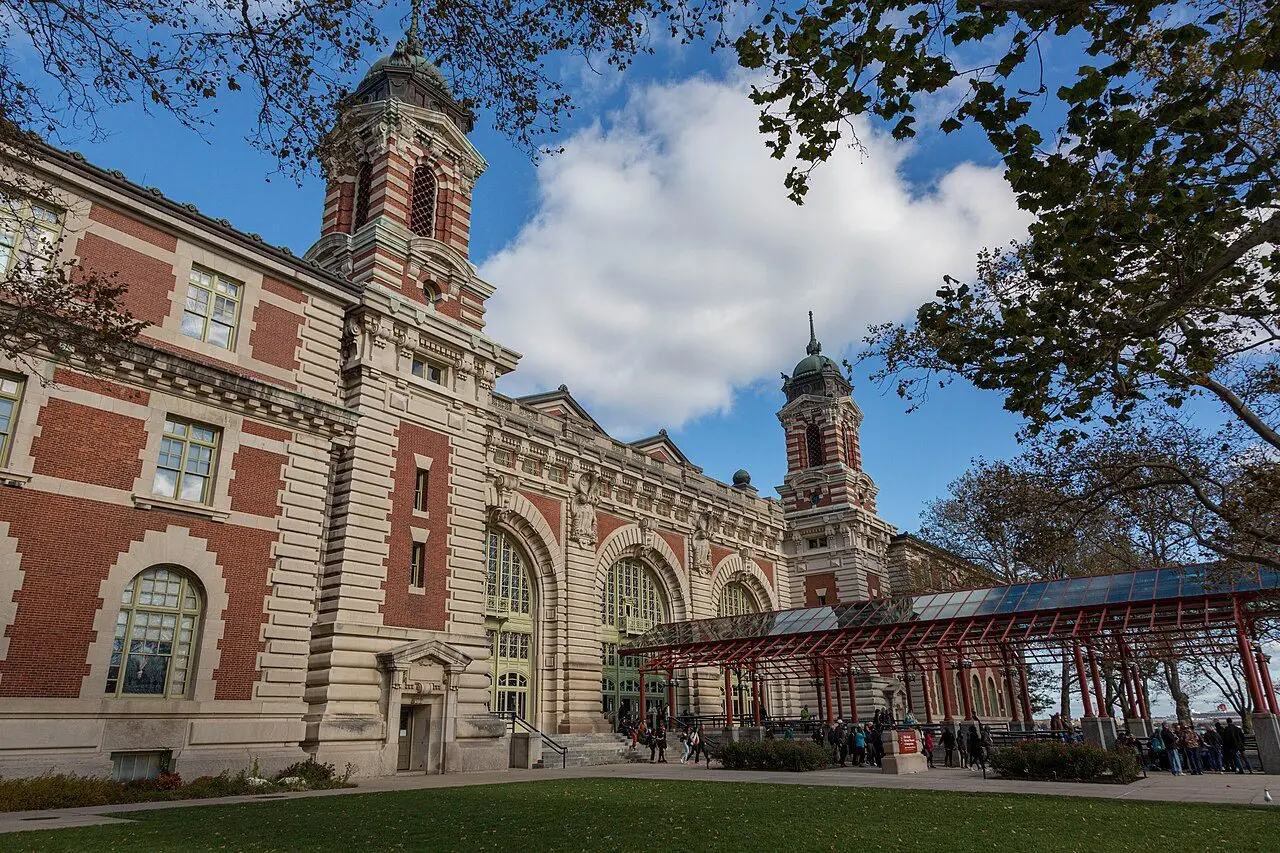
On the morning of November 12, 1954, the last person to pass through America's most famous doorway walked out — and nobody was there to greet him.
He was Arne Pettersen, a Norwegian merchant seaman held for overstaying his shore leave. When officials released him, the federal immigration station on Ellis Island, in New York Harbor, officially closed its doors. The government estimated the closure would save $900,000 a year.
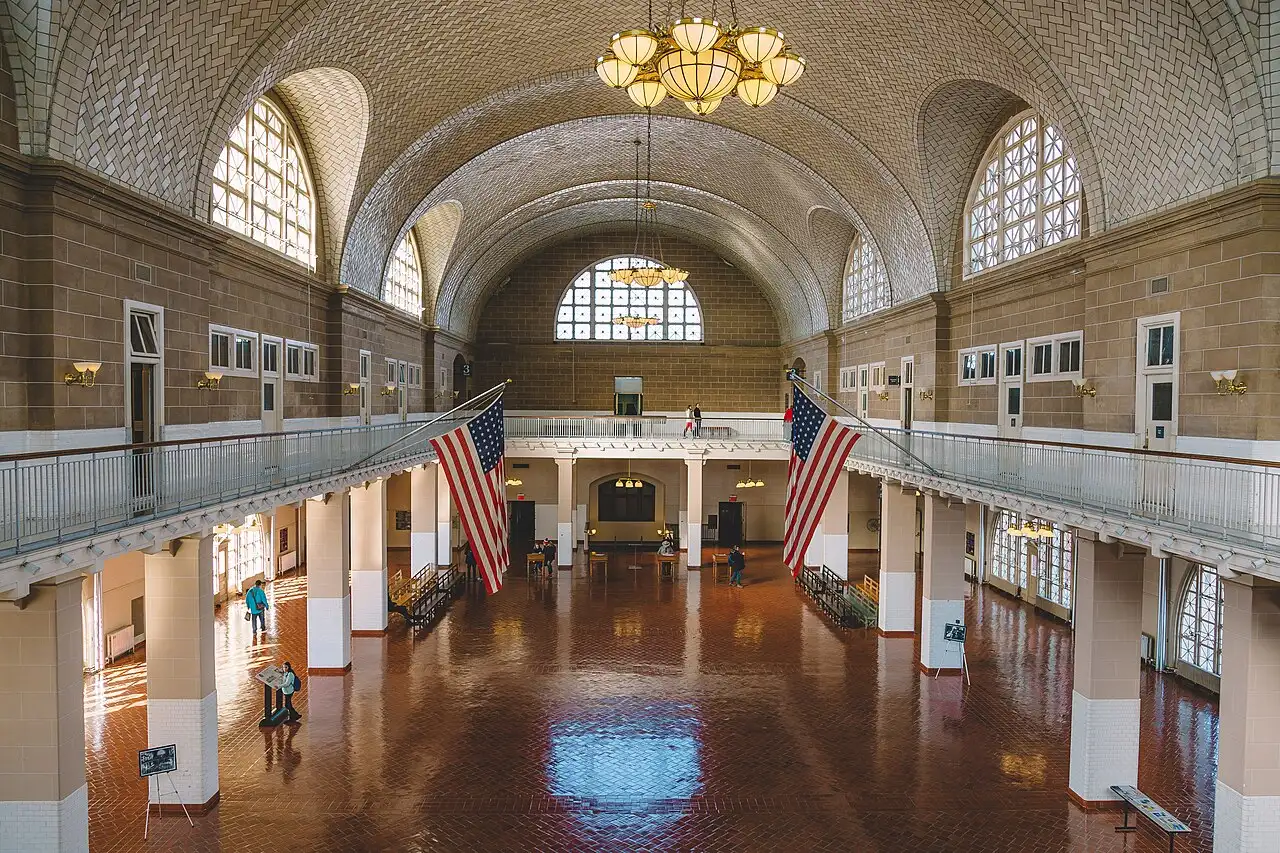
The station had opened 62 years earlier, in 1892, as the nation's first federal immigration center. The first to pass through was 15-year-old Annie Moore, newly arrived from Ireland. Over the decades more than 12 million immigrants followed. Immigration peaked between 1892 and 1924 — in the busiest year, 1907, over a million people passed through the island, with a record of more than 11,000 on a single day. An estimated 40 percent of Americans today can trace at least one ancestor through its halls.
The ritual was famous: first- and second-class passengers were inspected quickly aboard ship, while steerage passengers were ferried to the island for medical and legal inspection. Only about two percent were turned away. And one famous legend isn't true: inspectors did not hand out new names at the counter. They worked from the steamship companies' passenger manifests — inspectors spoke an average of three languages each — and most families Americanized their surnames voluntarily, later, on their own.
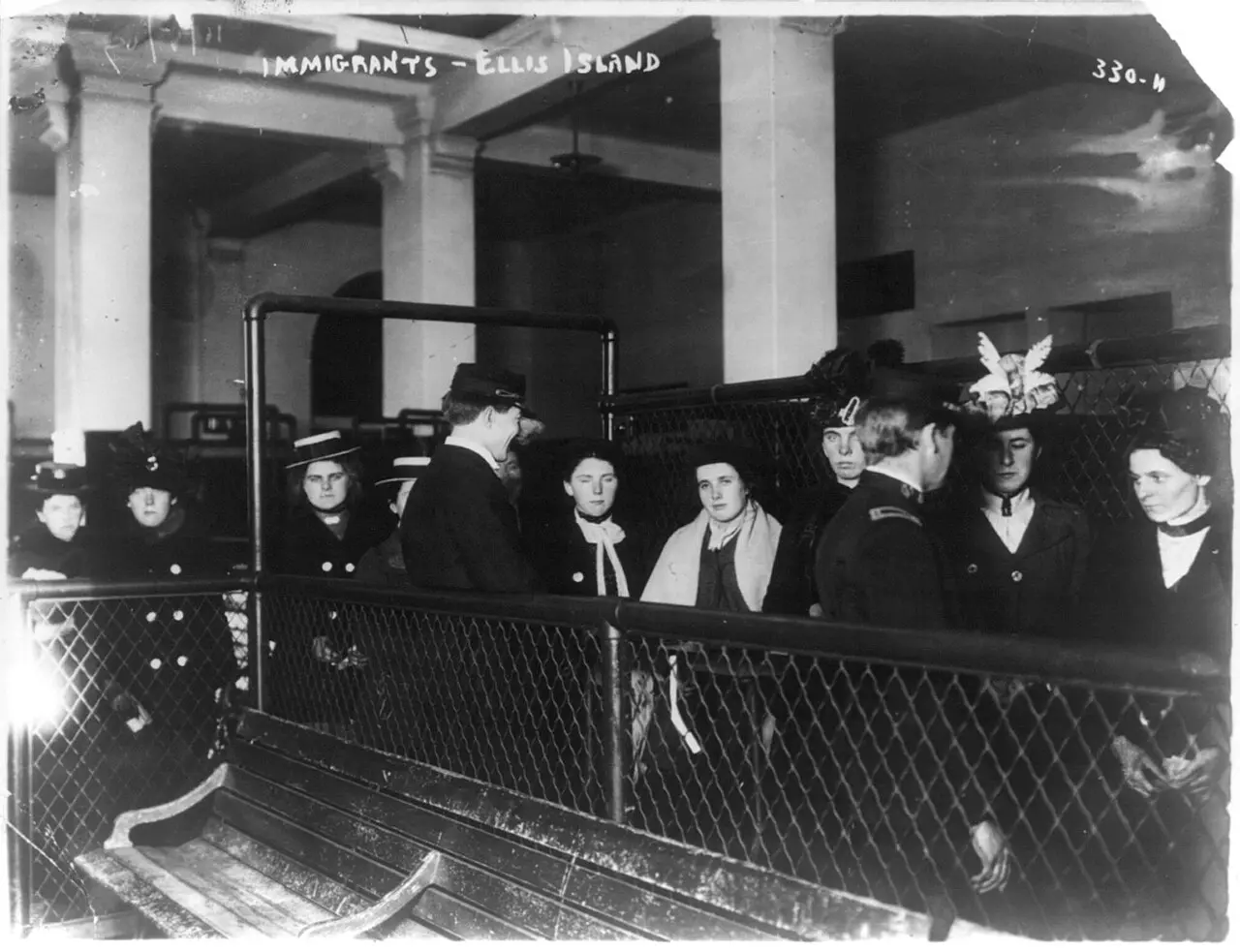
By the 1920s, the Immigrant Quota Act of 1921 and the National Origins Act of 1924 had slowed the flow to a trickle. The island became a detention and deportation center instead, then a Coast Guard base and a hospital for wounded soldiers during World War II. By the early 1950s, only a few dozen detainees remained.
After 1954 the grand buildings sat empty and decaying for decades. In 1965 the island was folded into the Statue of Liberty National Monument, and in the 1980s a $156 million restoration led by the Statue of Liberty–Ellis Island Foundation — the project championed by Lee Iacocca — brought the main building back to life. It reopened as an immigration museum in 1990.
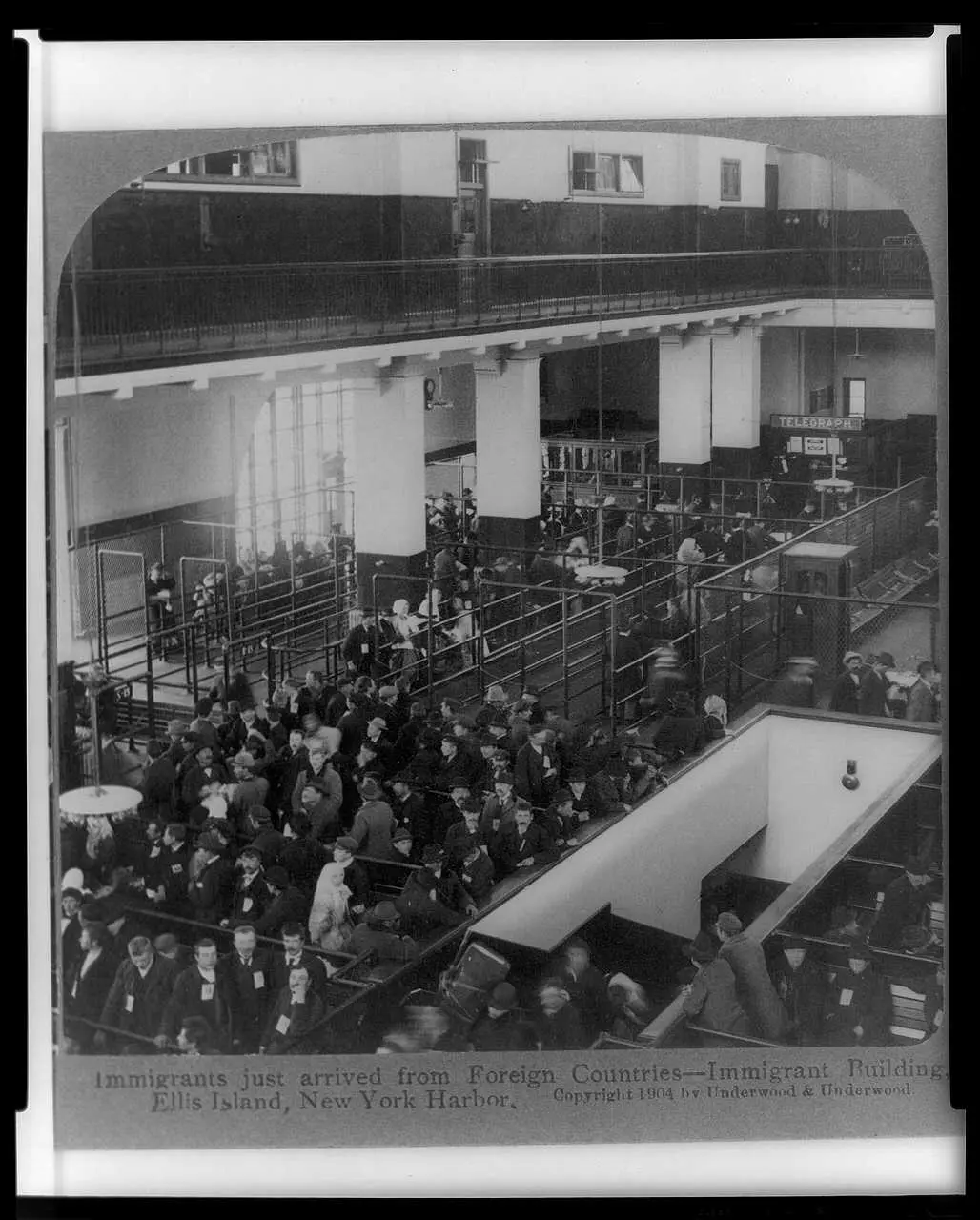
Ellis Island closed because America changed how it received newcomers, but the island refused to be forgotten. Today its museum draws millions of visitors a year — descendants coming to stand where their own family's American story began.
Photo: David Brossard, CC BY-SA 2.0 (via Wikimedia Commons).
More images (via Wikimedia Commons, public domain): the Registry Room, Ellis Island's Great Hall (National Park Service); immigrants at Ellis Island (George Grantham Bain); newly arrived immigrants (Underwood & Underwood).