The Day America Saved the River of Grass
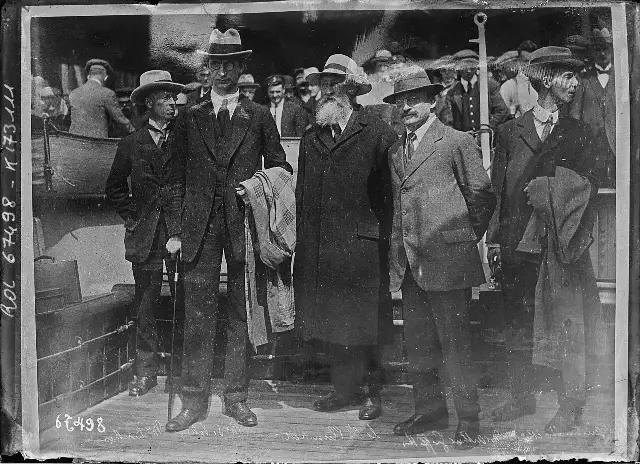
On December 6, 1947, President Harry Truman dedicated Everglades National Park, protecting 1.5 million acres of a swamp most Americans had written off.
For centuries, people looked at the Florida Everglades and saw nothing but a useless swamp — a watery wasteland to be drained, dredged, and developed. On December 6, 1947, the President of the United States stood in the little town of Everglades City and declared it a national treasure instead.
It had been a long fight. Congress had authorized a national park in the Everglades back in 1934, but turning the authorization into reality took more than a decade of buying land, raising money, and changing minds. The hardest battle was against perception: who would set aside a swamp? The answer came, in part, from a book. In 1947, journalist Marjory Stoneman Douglas published The Everglades: River of Grass, giving the region its immortal name and teaching America to see the "swamp" as a living river — a slow-moving sheet of water flowing from Lake Okeechobee to Florida Bay.
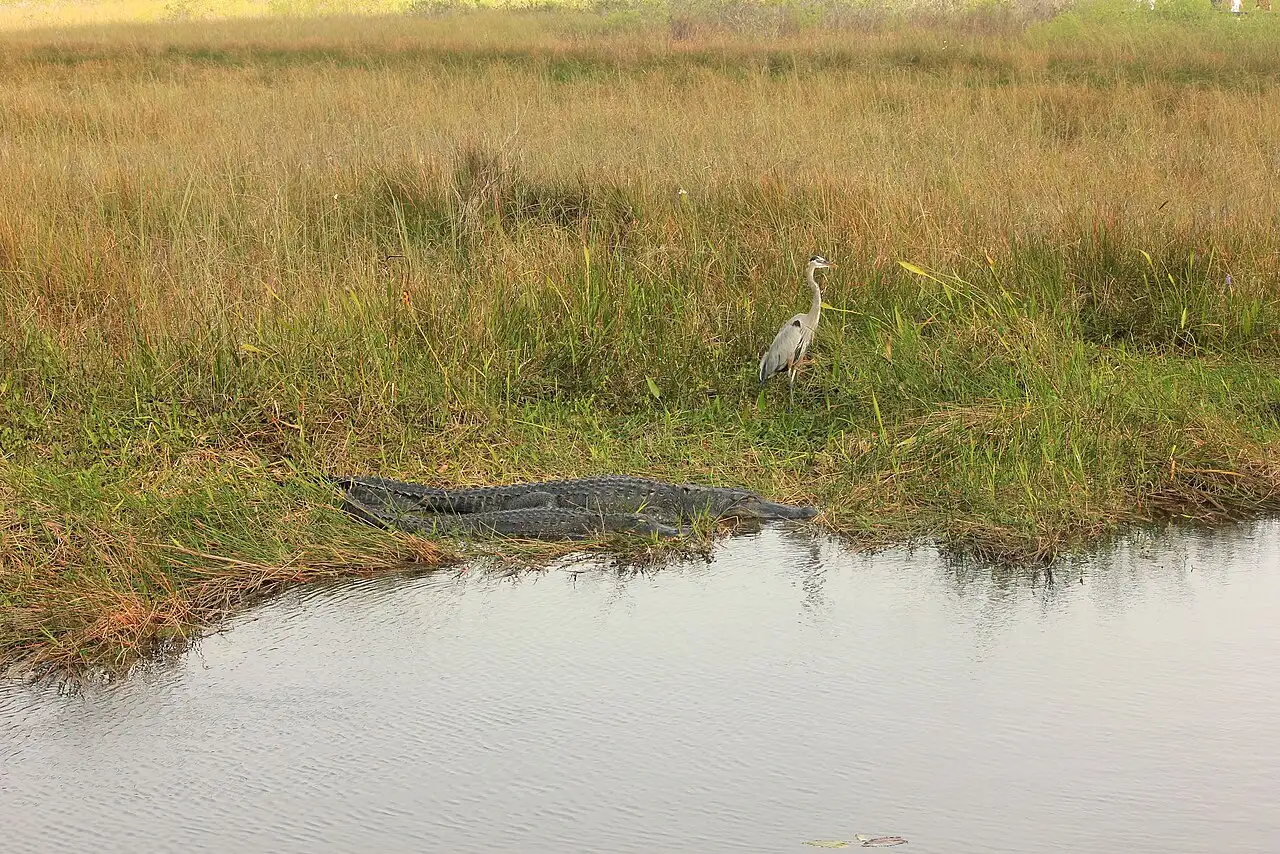
Harry Truman made the case himself that December day. "Here is land, tranquil in its quiet beauty," he told the dedication crowd, "serving not as the source of water, but as the last receiver of it. To its natural abundance we owe the spectacular plant and animal life that distinguishes this place from all others in our country." In the park, he promised, Americans would preserve "tarpon and trout, pompano, bear, deer, crocodiles and alligators — and rare birds of great beauty" that might otherwise soon vanish.
The new park was a first: the first national park created not for towering scenery but to protect a fragile living system. Within its 1.5 million acres of sawgrass prairie, mangrove forest, and hardwood hammock live some of the rarest creatures in North America — the Florida panther, the American crocodile, the West Indian manatee, and more than 350 species of birds.
The world noticed. The Everglades is now a World Heritage Site, an International Biosphere Reserve, and a Wetland of International Importance — and the focus of the most ambitious ecosystem restoration ever attempted, a decades-long effort to undo the damage of a century of draining and diking.
The dedication at Everglades City marked the moment America learned a new idea: that a place does not have to be grand or dramatic to be worth saving. It just has to be alive. A swamp, saved by a book and a president, on a December day in 1947 — and still flowing, still wild, still worth the fight.
Photo: Yinan Chen, Public domain (via Wikimedia Commons).