A Wedding That Lifted a Nation
On November 20, 1947, Princess Elizabeth married Lieutenant Philip Mountbatten at Westminster Abbey, giving war-weary Britain its first great postwar celebration.
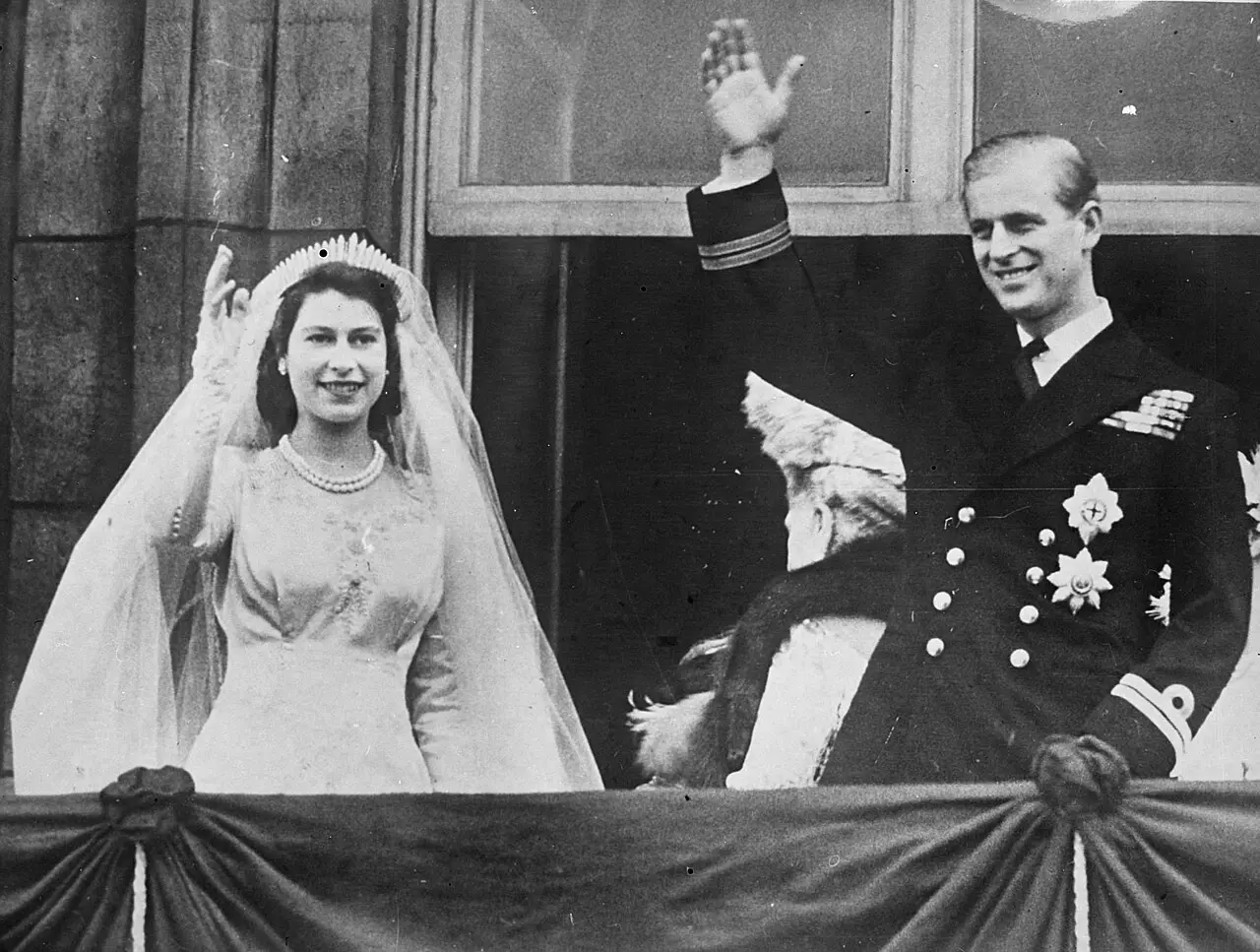
On the morning of Thursday, November 20, 1947, thousands of people lined the route from Buckingham Palace to Westminster Abbey — many had camped out overnight in the November cold to hold their places. Inside the Abbey, 2,000 guests took their seats. Around the world, an estimated 200 million people tuned in on the radio. Britain, still rationing food and rebuilding from war, was about to throw its first great postwar party.
The romance had begun eight years earlier. In July 1939, the 13-year-old Princess Elizabeth visited the Royal Naval College at Dartmouth, where an 18-year-old Greek prince named Philip, a naval cadet, was assigned to look after her. They wrote to each other through the war years; he proposed during a stay at Balmoral in the summer of 1946. King George VI agreed to the marriage but asked them to wait until Elizabeth's 21st birthday before announcing it.
The night before the wedding, Philip celebrated the old-fashioned way — a lively stag party at the Dorchester Hotel with fellow naval officers and his uncle, Lord Mountbatten. On the wedding morning, he reportedly fortified himself with a gin and tonic, and — in a bid to please his new bride — gave up smoking that very day.
At 11:16 that morning, Elizabeth left Buckingham Palace in the Irish State Coach beside her father, the King. Her gown, by couturier Norman Hartnell, was duchesse satin embroidered with more than 10,000 pearls and crystals — chosen from a selection Hartnell had submitted only three months earlier, at a time when rationing meant every detail was scrutinized. In a touch the public adored, she had saved up clothing ration coupons to pay for the material, just like any other citizen. Her bouquet of white orchids held a sprig of myrtle from Osborne House, grown from a cutting of Queen Victoria's own wedding bouquet.
Philip, who had renounced his Greek and Danish titles to become a British subject, arrived in naval uniform with his best man, the Marquess of Milford Haven. Television was still so new that the King at first banned the cameras entirely, then relented just enough to let them film the procession — the ceremony itself was for the Abbey alone.
Afterward, Elizabeth's bouquet was laid on the Grave of the Unknown Warrior, continuing a tradition begun by her mother. More than 2,500 wedding gifts were put on display at St James's Palace, drawing enormous crowds. Cinema newsreels carried the pageantry to packed theaters across the country.
It was, as the newspapers said, a flash of color in a gray world. And it was the start of a partnership that would last more than seven decades — through a 70-year reign, into history's longest royal marriage.
Photo: Anefo / Dutch National Archive, CC0 (via Wikimedia Commons).