
The Day Britain Made Healthcare Free for Everyone
On July 5, 1948, health minister Aneurin Bevan walked into a Manchester hospital and launched the NHS — healthcare free for all, funded by taxes.
At a minute past midnight on July 5, 1948, in a small hospital in Wales, a baby girl drew her first breath. Her parents named her Aneira — after Aneurin Bevan, the man who, later that same day, would change what it meant to be sick in Britain.
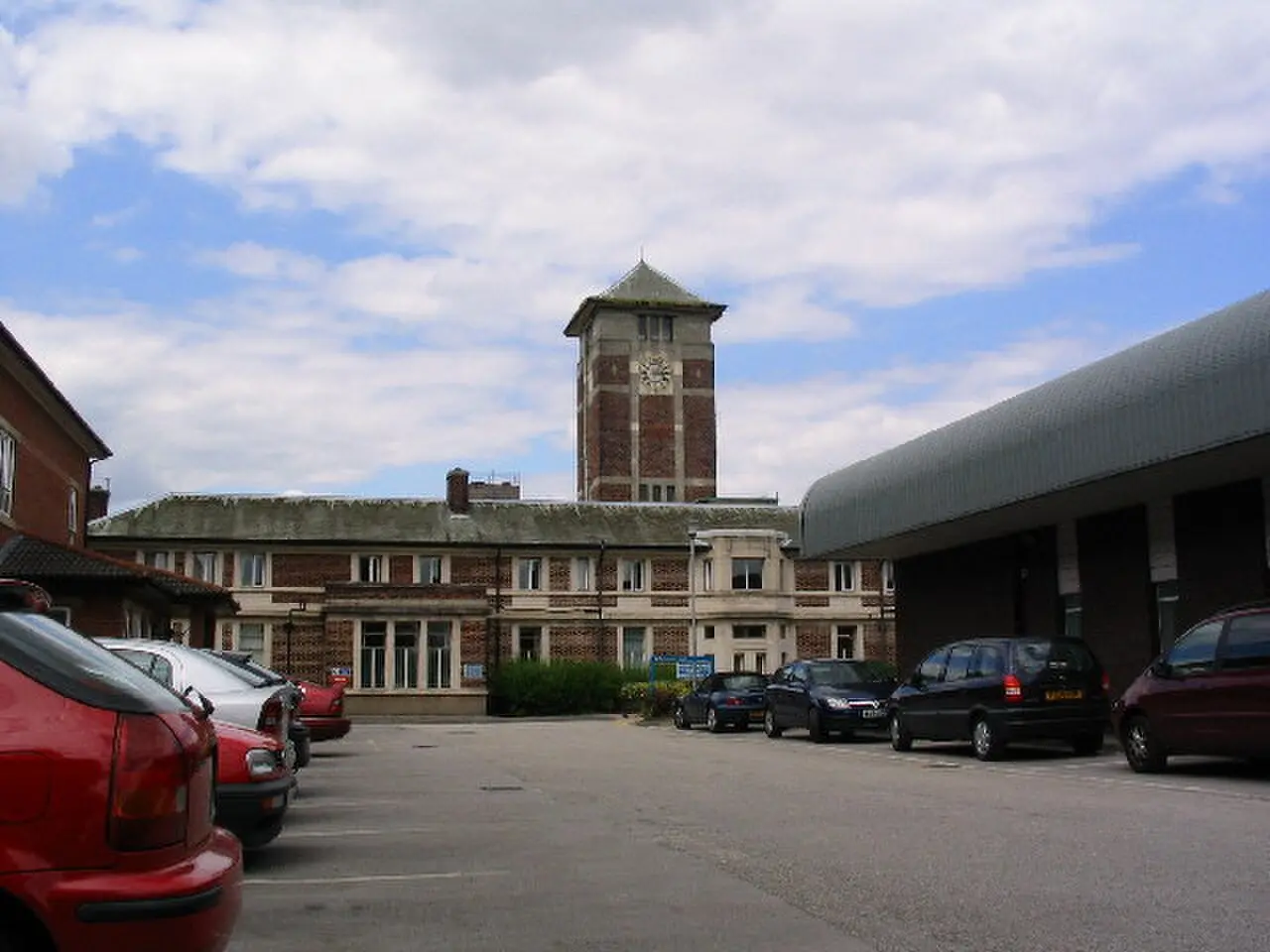
By morning, Bevan — the fiery Welshman serving as Minister of Health in Clement Attlee's post-war Labour government — was in Manchester. Nurses lined the driveway of Park Hospital in Davyhulme to form a guard of honour as his car arrived. The hospital's matron handed him the keys to the building: a symbol. Park Hospital was passing from local authority control into something the world had never quite seen — a National Health Service.
For centuries, getting sick in Britain had been a financial gamble. The rich saw private doctors; the poor relied on charity hospitals, friendly societies, or simply went without. Bevan's plan swept all of it — hospitals, doctors, nurses, dentists, pharmacists, opticians — under one national umbrella, funded by general taxation and free at the point of use.
A month earlier, every household in Britain had received a leaflet explaining the deal: "Everyone — rich or poor, man, woman or child — can use it or any part of it. There are no charges, except for a few special items. There are no insurance qualifications. But it is not a 'charity'. You are all paying for it, mainly as tax payers, and it will relieve your money worries in time of illness."
The scale of the overnight transformation was staggering. Of Britain's 3,000 hospitals, 2,751 were nationalised in a single day. Within 24 hours of the launch, 94 percent of the British public had enrolled.
Bevan met the new service's first official patient that day: 13-year-old Sylvia Diggory, being treated at Park Hospital. Years later she recalled him asking whether she understood the significance of the occasion — and telling her it was "a milestone in history — the most civilised step any country had ever taken."
Doctors had fought the plan bitterly, and the costs soon outran every estimate — prescription charges arrived within four years. But the principle held: care based on need, not ability to pay.
It matters because the NHS became the template the world argued about. One of the first universal health systems anywhere, it turned healthcare from a commodity into a citizenship right — and nearly eighty years on, in a country that argues about everything, the NHS remains the one institution Britons consistently say they are proudest of.
Photo: Trafford General Hospital in Davyhulme, Greater Manchester — the former Park Hospital, widely regarded as the birthplace of the NHS. Image via Wikimedia Commons (CC BY-SA 2.0), originally contributed via geograph.org.uk.