
Big Ben Begins: London's Great Clock Starts Ticking
On May 31, 1859, the great tower clock of the Palace of Westminster began ticking for the first time — the voice of Big Ben was born.
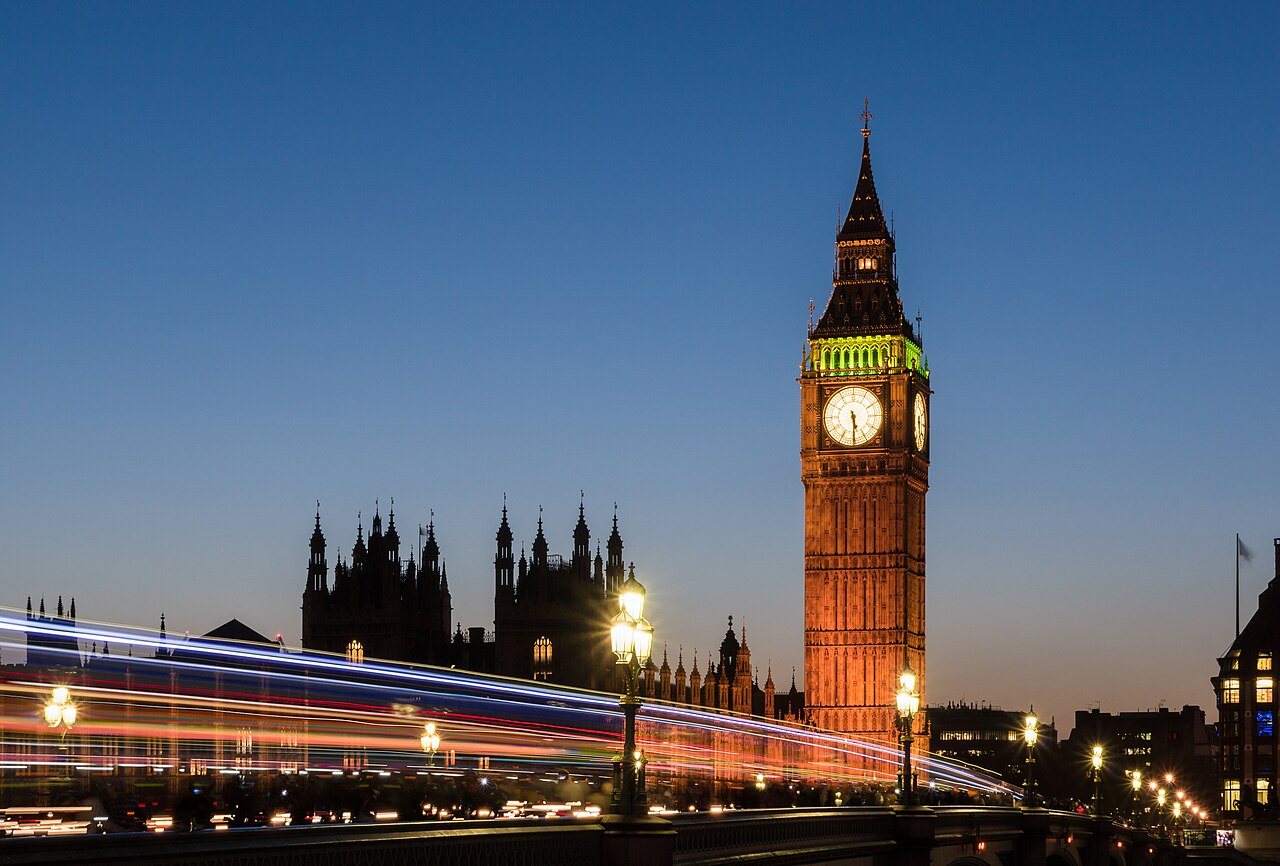
The most famous clock in the world switched on for the first time on May 31, 1859. That morning, high above the Thames, the great tower clock at the Palace of Westminster began ticking over London — and it has barely stopped since.
The clock owed its existence to disaster. A fire in October 1834 had destroyed most of the old Palace of Westminster, and when architect Charles Barry designed its replacement, the plans called for a grand clock tower. The Astronomer Royal, Sir George Airy, demanded something extraordinary: a clock of pinpoint accuracy, checked twice a day against the Royal Greenwich Observatory. Nearly every clockmaker in England declared it impossible — except Edmund Beckett Denison, a brilliant barrister who happened to be an expert in the science of timekeeping. His design made it work.
Here's a detail most people get wrong: "Big Ben" was never the tower's name. It was originally just the nickname of the Great Bell — a 13.5-ton giant cast by the Whitechapel Bell Foundry. How it got the name is still debated: some say it honored Sir Benjamin Hall, the tall, famously long-winded commissioner of works; others credit heavyweight boxing champion Benjamin Caunt. The tower itself was simply called the Clock Tower until 2012, when it was renamed the Elizabeth Tower for Queen Elizabeth II's Diamond Jubilee.
The tower is a marvel of Victorian engineering: 316 feet tall, with 334 steps to the belfry and four clock faces, each 22.5 feet across. Denison's design was built by clockmakers Edward John Dent and Frederick Dent, and when completed it was the largest and most accurate four-faced chiming clock in the world — a mechanism the tower still uses today. Stone carvings on the tower carry the symbols of the four nations of the United Kingdom. Its famously steady timekeeping is adjusted with old pennies stacked on the pendulum — adding or removing a single coin changes the clock's speed by a fraction of a second per day. The bell's first great strikes were heard on July 11, a few weeks after the clock began ticking.
Big Ben has kept time through it all: two world wars (a bomb damaged the tower in 1941, but the clock kept going), the swinging sixties, and the digital age.
Why it matters: Big Ben became far more than a clock — it's the visual shorthand for London and for parliamentary democracy itself, its chimes marking history's biggest moments for over 165 years.
Photo: Colin, CC BY-SA 4.0 (via Wikimedia Commons).