Miracle at the Bottom of the Earth: The 33 Chilean Miners Rescued
After 69 days trapped 700 meters underground, the first of 33 Chilean miners rode a tiny capsule to daylight on October 13, 2010 — before a worldwide audience.
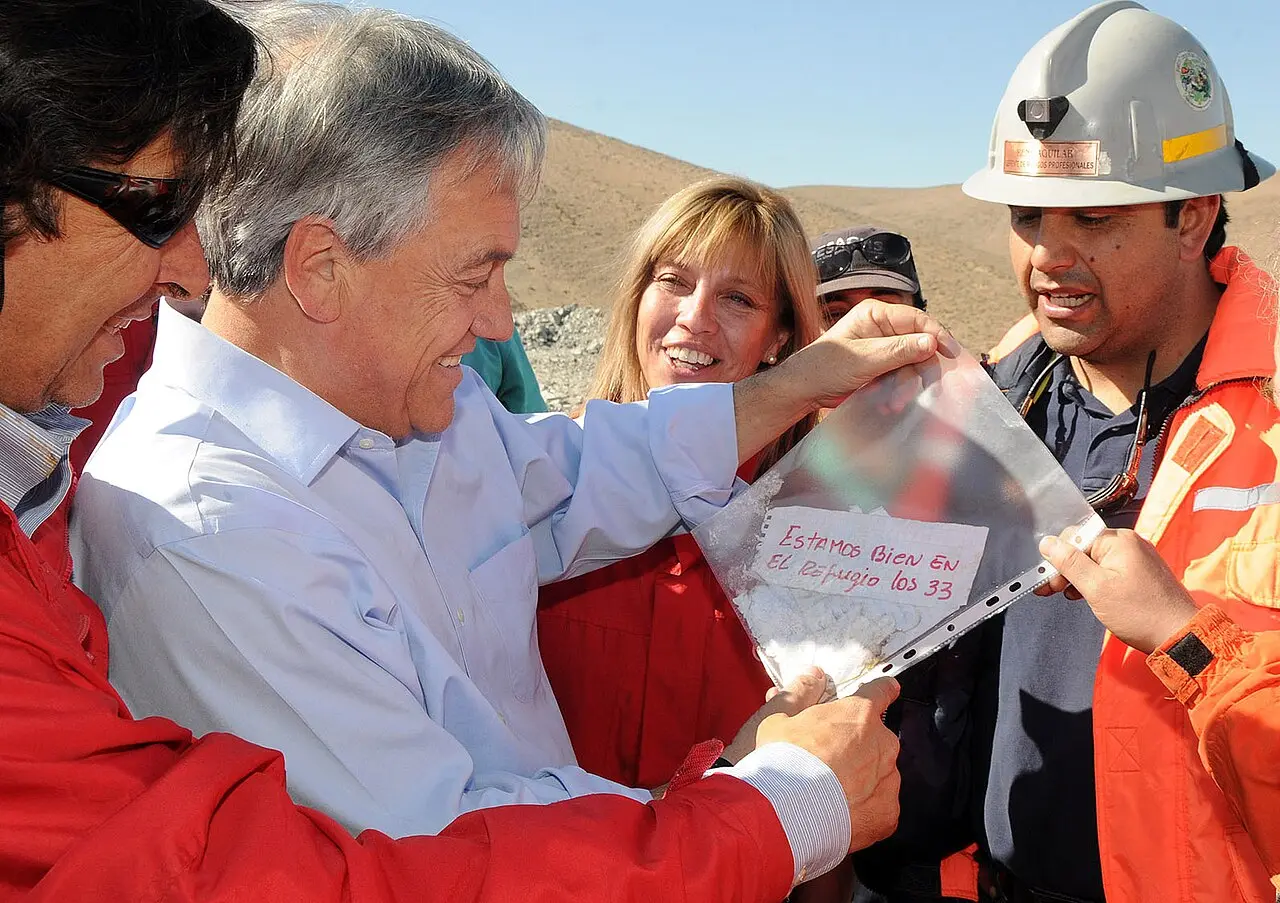
Seventeen days after the mountain swallowed them, a drill bit came back up from the dark with a note taped to it. In shaky red marker it read: "Estamos bien en el refugio, los 33" — "We are all well in the shelter, the 33 of us." Above ground, the families who had been keeping vigil burst into cheers. The men were alive.
The disaster had struck at 2 p.m. on August 5, 2010, when a cave-in sealed off the San José copper-and-gold mine in Chile's Atacama Desert, about 45 kilometers north of Copiapó. Thirty-four men were inside; one escaped. The other 33 were trapped roughly 700 meters — nearly half a mile — below the surface and some five kilometers from the mine entrance, forced to retreat to an emergency refuge. A safety ladder that should have offered them a way out was missing.
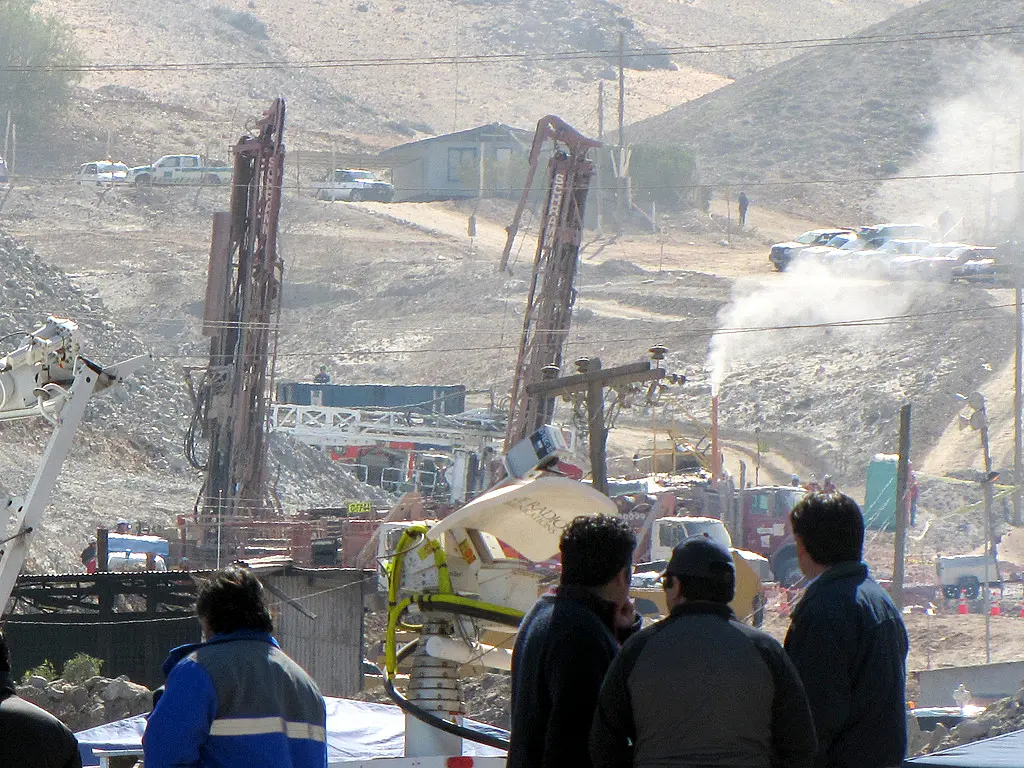
For 17 days, nobody on the surface knew whether they had survived. When that note arrived, despair turned to determination. Chile's state mining company, Codelco, took over the rescue from the mine's owners, and what followed was one of the great engineering efforts of modern times: three separate drilling rigs boring toward the trapped men, nearly every Chilean government ministry mobilized, NASA advising on everything from the miners' nutrition to the design of the rescue capsule, and companies from around the world contributing equipment and expertise.
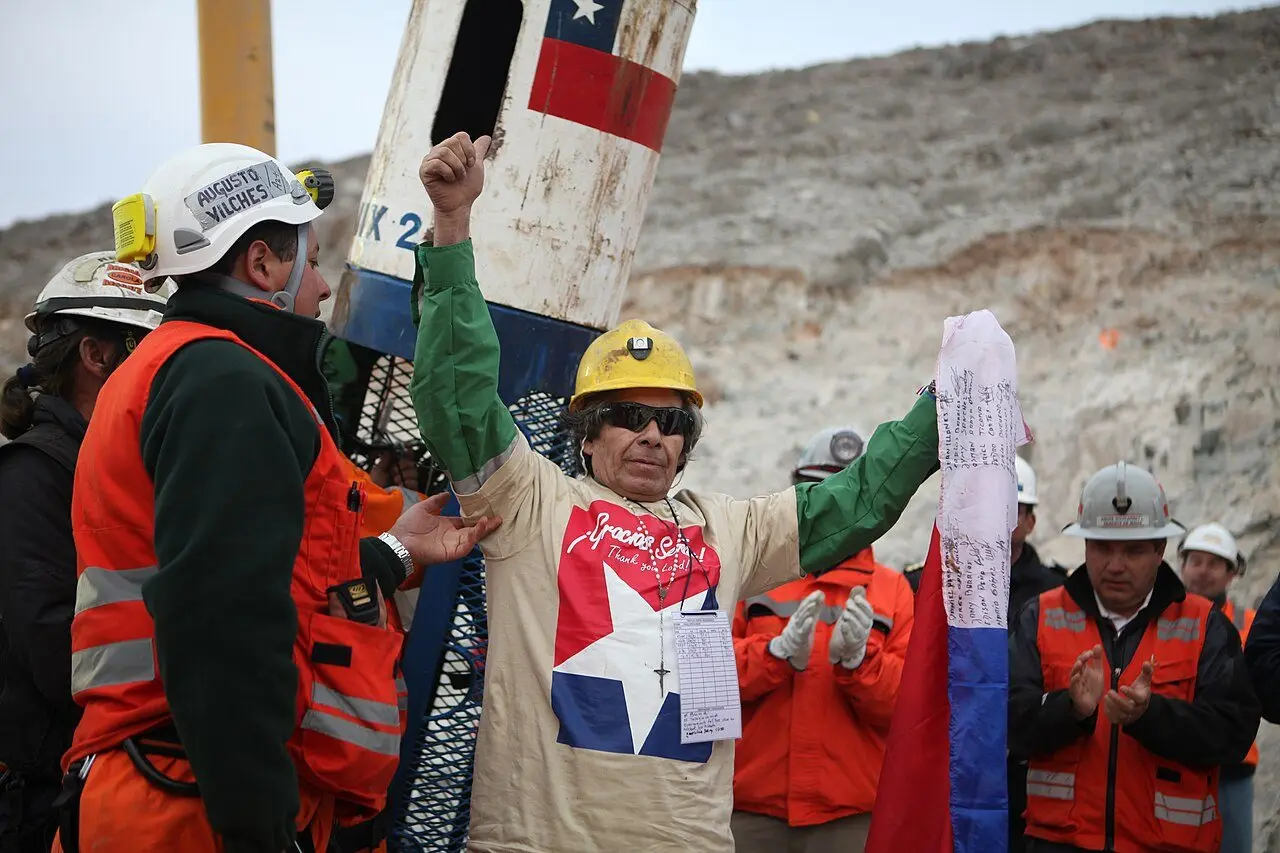
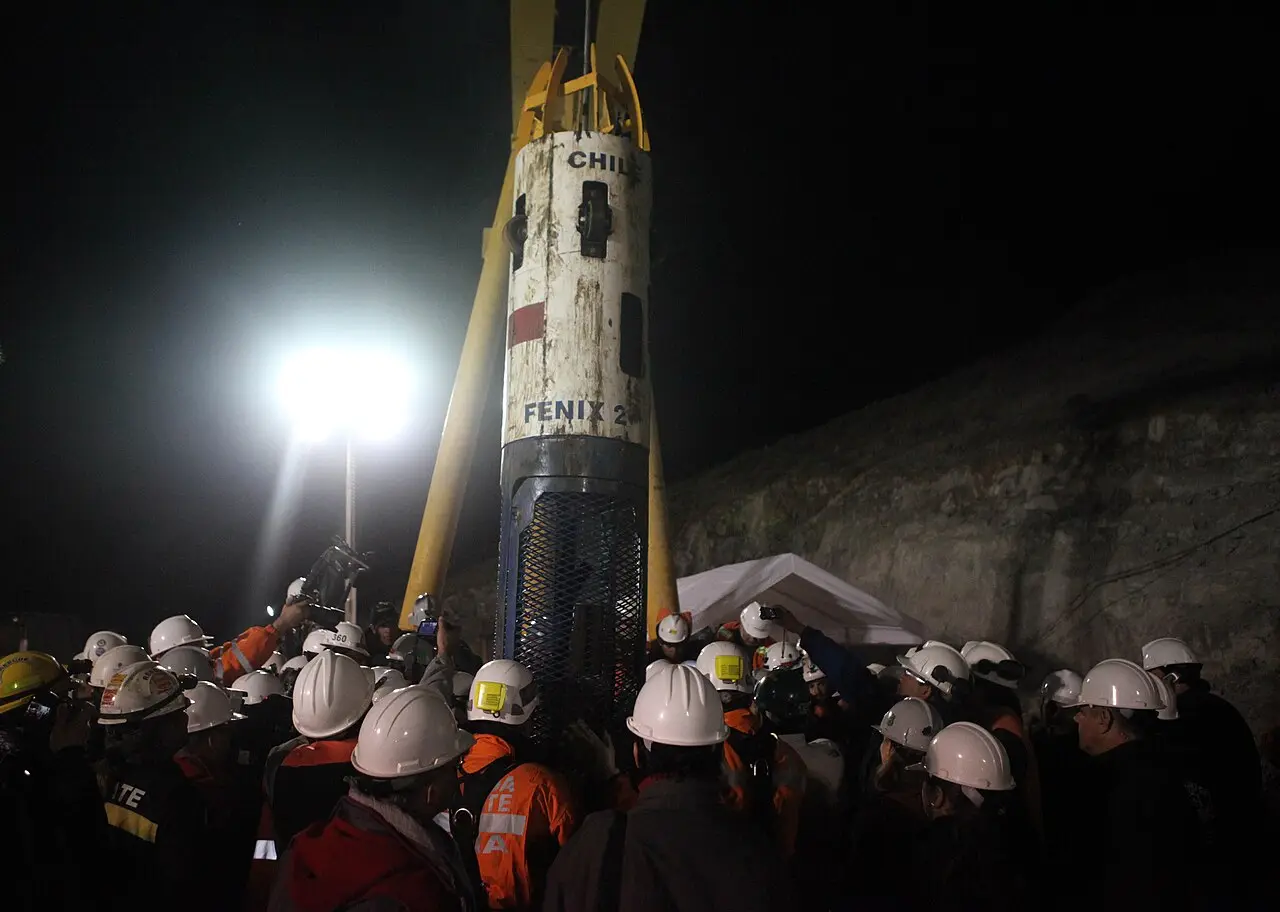
On October 13, 2010 — 69 days after the collapse — the rescue began. One by one, the miners were winched up a narrow shaft in a specially built steel capsule, painted in Chile's colors and barely wider than a man's shoulders. Just after midnight, Florencio Ávalos emerged first, hugging his family, the president, and the workers around him, then flashing a thumbs-up as he was carried to medical evaluation. Mario Gómez, the eldest of the group, was the ninth to surface. Each trip took about fifteen minutes, and the whole world watched: millions followed the rescue live as, hour by hour through the night and into the next evening, all 33 men came home.
Chile's president, Sebastián Piñera, had been there through it all. "We had promised to look until we found them," he said. "We can all feel proud to be Chilean." The miners wore shirts reading "Gracias Señor!" — Thank you, Lord — and the rescue was christened Operación San Lorenzo, after the patron saint of miners.
The story endures because it is the rare catastrophe with a perfect ending: 69 days underground, and every one of the 33 survived. It showed what focused human ingenuity can do — drills, capsules, medicine, and logistics assembled across borders in weeks — and it gave the world a shared moment of joy. When the last miner stepped into the light, people on every continent had been holding their breath with him.
Photo: Gobierno de Chile, CC BY 2.0 (via Wikimedia Commons).
More photos (via Wikimedia Commons): the last rescuers at the Fénix 2 capsule (Secretaría de Comunicaciones, Chile, CC BY 2.0); the San José mine in 2010 (desierto_atacama, CC BY-SA 2.0); President Piñera with the message from the trapped miners (Gobierno de Chile, CC BY 2.0).