
The Easter Oratorio That Conquered Christmas
Handel's Messiah premiered in a Dublin concert hall on April 13, 1742 — a charity performance that launched what would become the world's most beloved choral work.
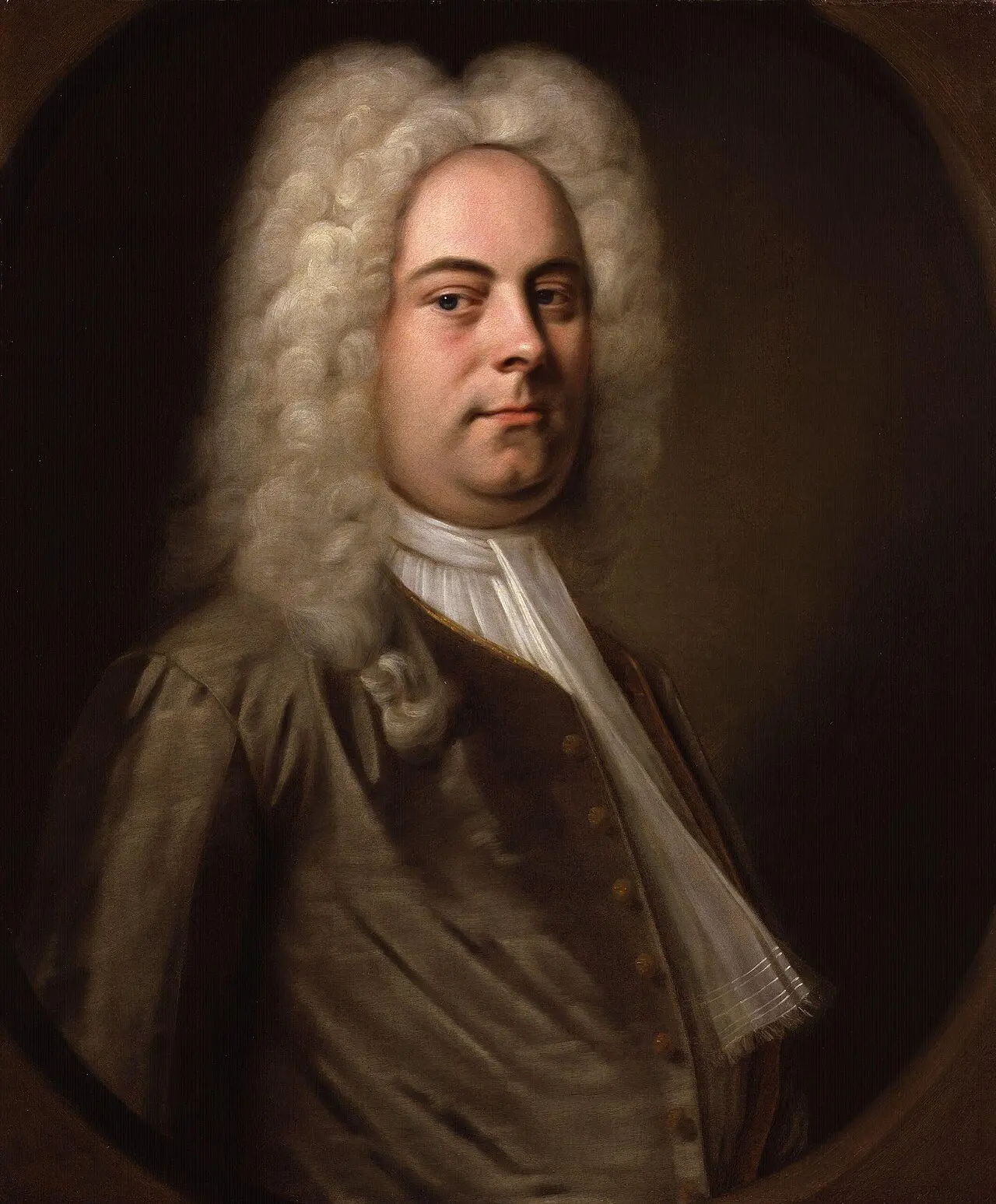
Easter was just days away, and Dublin's music lovers were squeezed into the new Musick Hall on Fishamble Street — some 700 of them, a record crowd. Management had begged the ladies to leave their fashionable hooped skirts at home so that more bodies could fit in the room. What they had all come to hear was brand new: the world premiere of an oratorio by George Frideric Handel.
Handel had written it in a white-hot burst the previous summer in London, composing from August 22 to September 14, 1741 — barely more than three weeks for a work of 53 movements in three parts. The text had been compiled by his friend Charles Jennens, a devout scholar, from the King James Bible and the Book of Common Prayer: Old Testament prophecies, the birth and suffering of Christ, the resurrection, the promised Second Coming. And it was not written for Christmas at all. Jennens intended it as an Easter-season work, aimed at theatergoers during Passion Week — a reminder of faith for people who had come to a concert hall, not a church.
Handel conducted the premiere himself, with a modest orchestra — strings, two trumpets, timpani, harpsichord and organ (he had his own organ shipped to Ireland for the occasion). The choir was drawn from the singers of Dublin's two cathedrals, sixteen men and sixteen boys, with two celebrated women soloists: the English contralto Susannah Cibber and the Italian soprano Christina Maria Avoglio.
The audience sat spellbound. When Cibber sang "He was despised and rejected of men," the Reverend Patrick Delany is said to have leapt to his feet and cried out, "Woman, for this be all thy sins forgiven thee!" The Dublin Journal declared it "the finest composition of Musick that ever was heard." And every penny of the roughly £400 collected that night went to charity — divided among a society for relieving prisoners, a charitable infirmary, and Mercer's Hospital.
Here is the twist history played on that evening: Messiah was an Easter offering, but it would become Christmas music. Benefit performances for London's Foundling Hospital, a giant centenary celebration at Westminster Abbey in 1784, and ever-larger Victorian productions turned it into a holiday fixture. Today the "Hallelujah" chorus that closes Part II brings audiences to their feet in concert halls every December — few of them realizing they are hearing an oratorio written for spring.
It remains one of the best-known and most frequently performed choral works in Western music, sung by amateur choirs and professional ensembles alike, nearly three centuries after 700 Dubliners crammed into a music hall — hoops and all left at the door — to hear it first.
Photo: 18th-century portrait of Handel attributed to Balthasar Denner, public domain (via Wikimedia Commons). A later likeness of the composer, shown as an illustration — not an image of the premiere itself.