1,000 Songs in Your Pocket: The Day Apple Unveiled the iPod
On October 23, 2001, Steve Jobs unveiled the iPod — a little white box that promised “1,000 songs in your pocket” and changed music forever.
On October 23, 2001, in a small auditorium on Apple's campus in Cupertino, California, Steve Jobs walked onstage before a modest crowd of journalists. Six weeks earlier, the September 11 attacks had shaken the country, and Apple itself was still a fragile company, only a few years removed from nearly going bankrupt. Nobody in that room knew they were about to see the product that would put Apple back on the map — and eventually change how the entire world listens to music.
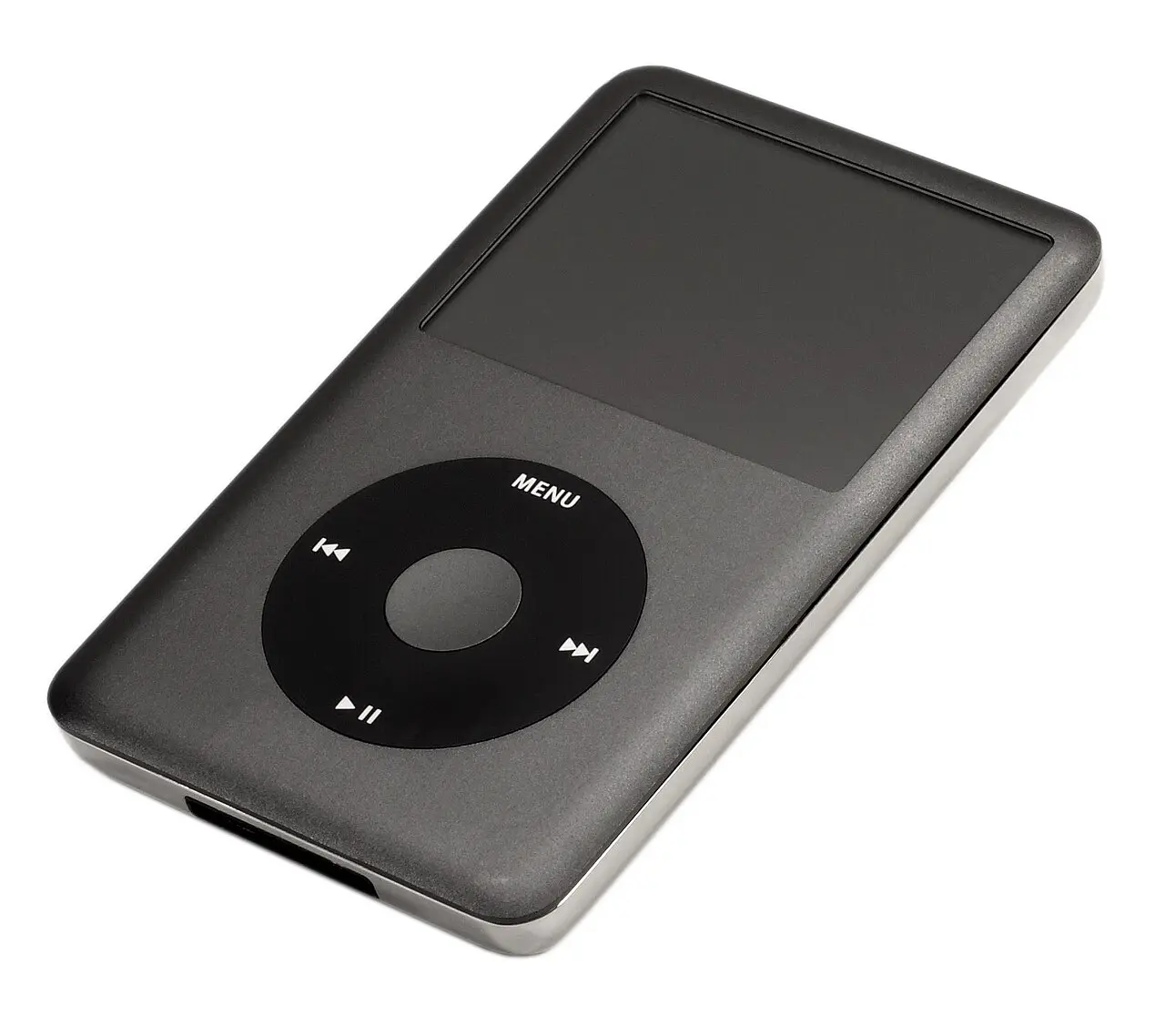
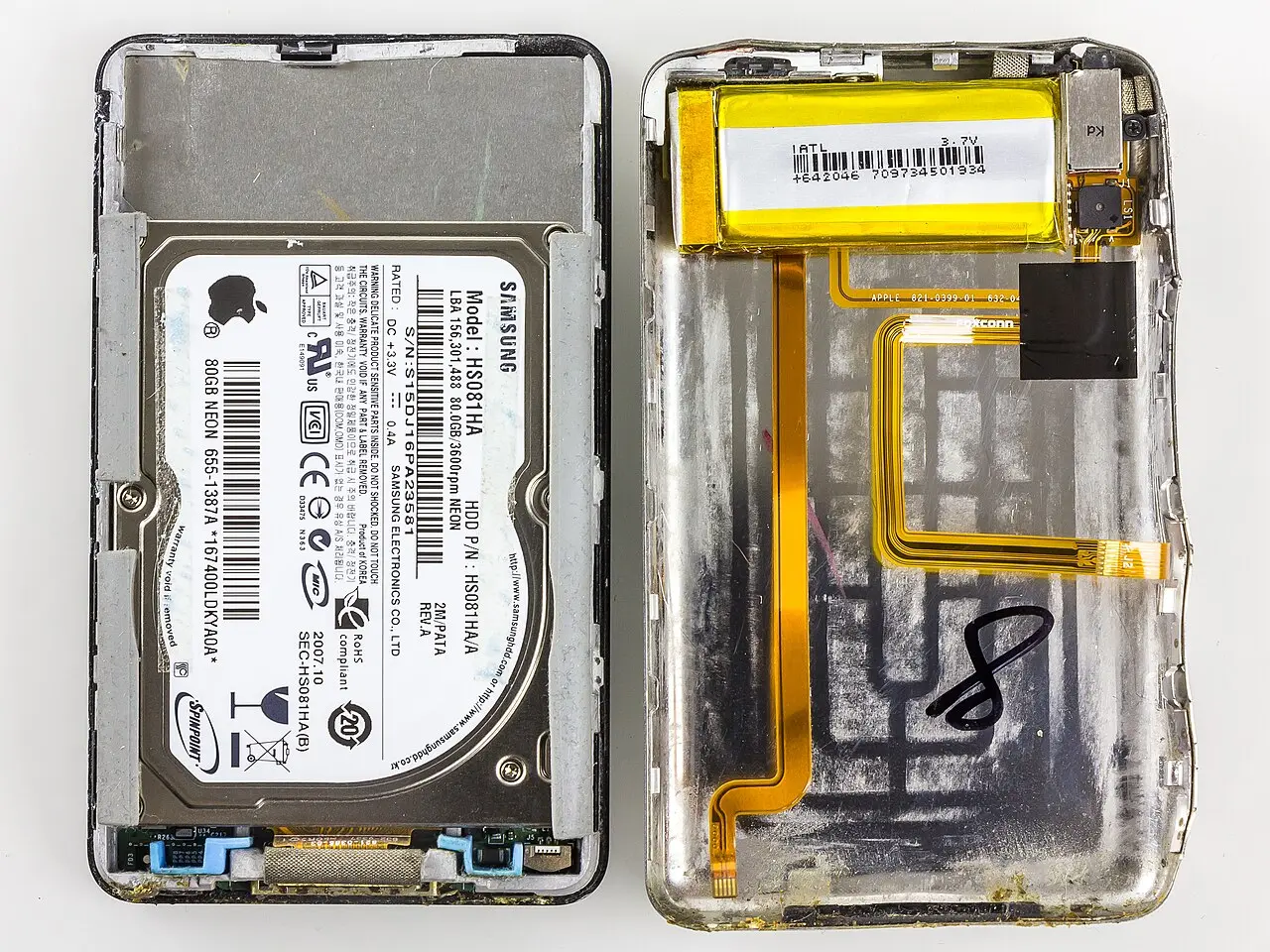
Jobs talked first about Apple's "digital hub" idea — the Mac as the center of your digital life — and then unveiled the surprise: a little white rectangle with a stainless-steel back, no bigger than a deck of cards. The iPod. Inside was a tiny 1.8-inch hard drive holding five gigabytes — room, Apple said, for 1,000 songs. The price: $399.
What made it special wasn't just the storage. It was the way you used it. Every other MP3 player of the era had clunky buttons and baffling menus; the iPod had a mechanical scroll wheel — the only iPod ever made with a wheel that physically turned under your thumb — plus Apple's famously simple interface and one killer feature: plug it into your Mac, and iTunes copied your entire music library onto it automatically. Jobs called it "a quantum leap," and boiled the pitch down to three breakthroughs: ultra-portability, ease of use, and auto-sync with iTunes. "The coolest thing about iPod," he said, "is that your whole music library fits right in your pocket. Never before possible."
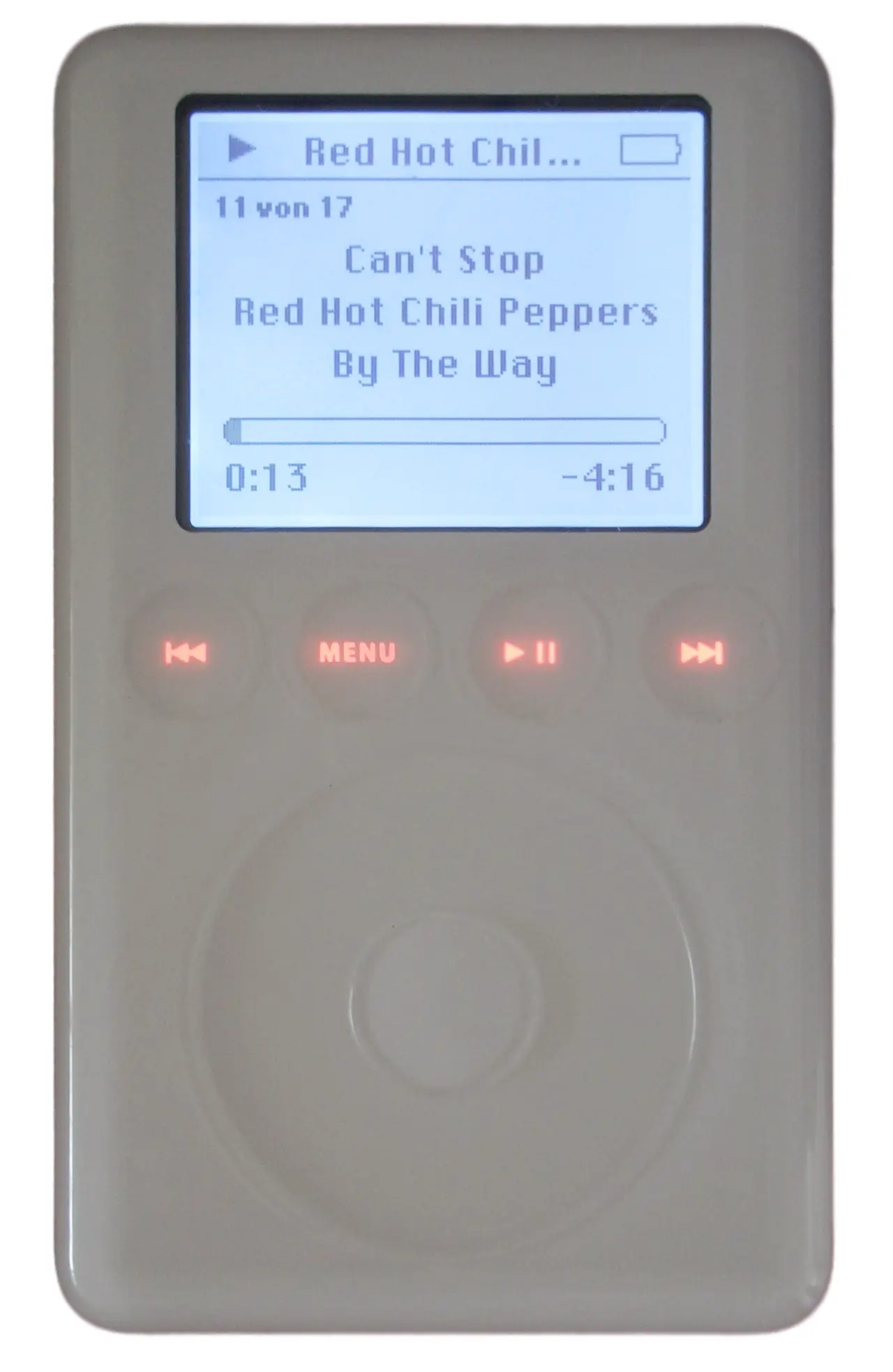
The first reaction was underwhelming. Reporters summoned amid breathless rumors had expected something bigger. An MP3 player? For $399? And at launch it only worked with a Mac? But then Apple handed everyone in the room a free iPod, and something shifted. Once people held it — spun the wheel, heard the sound — the reviews turned glowing. In its first sixty days on sale, Apple sold 125,000 of them.
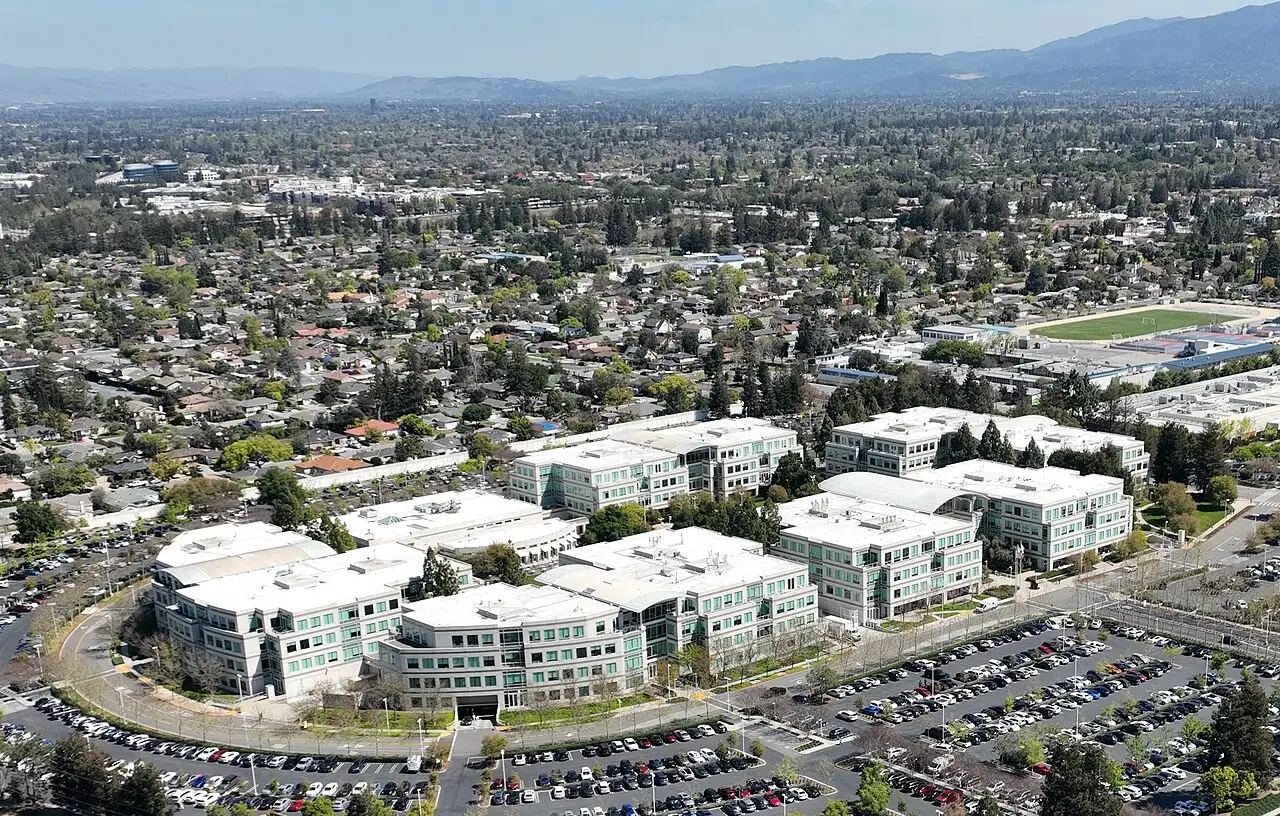
It went on sale November 10, 2001, Mac-only at first. A 10-gigabyte version followed in March 2002 for $499, and Windows compatibility arrived later that year, opening the iPod to the other 95 percent of computer owners.
The iPod did more than sell music players. Its profits — and its "halo effect," as Windows users who bought an iPod went on to buy Macs — rescued Apple and funded everything that came after: the iTunes Store in 2003, which unbundled the album into 99-cent songs; and the iPhone in 2007, which squeezed the iPod's interface into a phone and eventually swallowed the iPod whole. Every playlist, every streaming queue, every phone that doubles as a jukebox traces back to that October afternoon in Cupertino, when a struggling computer company bet that what people really wanted was their entire music collection with them, all the time.
Photos (via Wikimedia Commons; all show later iPod models, not the original 2001 player): an iPod classic (Evan-Amos, public domain); the inside of an iPod classic with its hard drive (Raimond Spekking, CC BY-SA 4.0); a fourth-generation iPod (Zxb., CC BY-SA 2.0); Apple's Infinite Loop campus in Cupertino (InvadingInvader, CC BY-SA 4.0).