Four Notes That Shook the World: Beethoven's Fifth Premieres
On December 22, 1808, Beethoven's Fifth Symphony received its world premiere at a freezing, marathon all-Beethoven concert in Vienna.
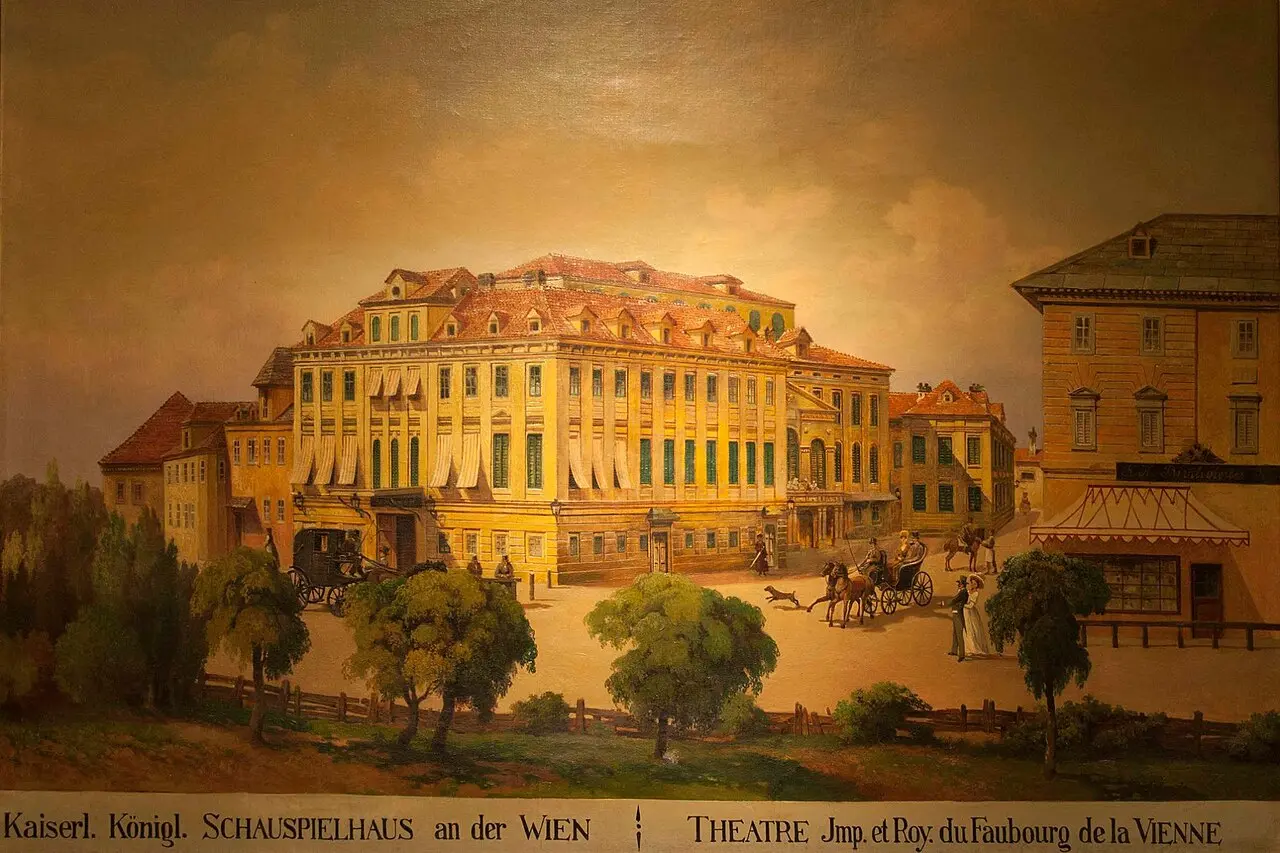
It is the most famous opening in all of music - four notes: da-da-da-DUM. And they were first heard in a freezing theater, in the middle of a concert that was falling apart.
On December 22, 1808, Ludwig van Beethoven staged a benefit concert for himself at the Theater an der Wien in Vienna. It was a marathon even by the standards of the day: more than four hours of music, every note of it a premiere - his Fifth and Sixth Symphonies, his Fourth Piano Concerto, and the Choral Fantasy.
The conditions were brutal. The hall was unheated in the Viennese winter. The orchestra was a pickup ensemble with too little rehearsal time. Beethoven - in his mid-thirties, growing deaf, conducting and playing piano himself - lost control of the players during the Choral Fantasy and had to stop and start over.
The Fifth Symphony came in the second half, after the Sixth had opened the evening. It begins with that four-note motif - short-short-short-long - often described as "fate knocking at the door." Beethoven had been sketching it since 1804; he dedicated the finished work to two of his patrons, Prince Lobkowitz and Count Razumovsky.
Beethoven wrote the Fifth in the shadow of war - Napoleon's troops had occupied Vienna in 1805, and the city lived under the strain of the Napoleonic Wars. Perhaps that is why the music feels like a battle. A few years later, the critic E. T. A. Hoffmann wrote that the symphony "opens the realm of the colossal and immeasurable to us... evokes terror, fright, horror, and pain, and awakens that endless longing that is the essence of Romanticism."
The premiere was no triumph. But within a couple of years the critics caught up. Hoffmann called it "one of the most important works of the time," and it soon became what it remains: the most recognizable piece of classical music in the world. During World War II, the BBC even used those four notes to open its broadcasts to Europe - in Morse code, they spell the letter V, for victory.
Why it matters: the Fifth changed what a symphony could be - not polite entertainment, but a journey from darkness to light, ending in a blazing C major finale. Those four notes have become a kind of universal language, quoted in films, ringtones, and protest chants. All of it traces back to one miserable, magnificent night in a cold Viennese theater.
Photo: public domain (via Wikimedia Commons).