18,000 Horsemen at Five O'Clock: The Relief of Vienna
On September 12, 1683, Polish king Jan III Sobieski led some 18,000 horsemen down the Kahlenberg in a charge that shattered the Ottoman siege of Vienna.
At about five o'clock in the afternoon, some 18,000 horsemen began moving down the mountainside toward the Ottoman army — what is often called the largest cavalry charge in history. The fate of Vienna rode with it.
For 63 days, the city had been under siege. The Ottoman Empire, then at the height of its power, had marched on the Habsburg capital in the summer of 1683, and its great army ringed the walls. Inside, the defenders were running out of food, gunpowder, and time. If Vienna fell, the road into central Europe lay open — and every court in Europe knew it. Week by week, the city's supplies had shrunk and its hope had thinned.
Relief came in the form of an allied army raised by the Holy League and commanded by the King of Poland, Jan III Sobieski. On September 12, the allies attacked the Ottoman siege lines from the Kahlenberg heights above the city. All day the battle seesawed across the slopes, neither side able to land the decisive blow.
Then, in the late afternoon, Sobieski played his final card. He put himself at the head of the cavalry — thousands of Polish winged hussars in the van, lances leveled — and led them down the slope straight into the Ottoman lines. The charge tore through tents, trenches, and gun positions alike. The Ottoman troops, worn down by two months of siege work and struck where they least expected it, broke and ran, abandoning their camp, their artillery, and their designs on the city.
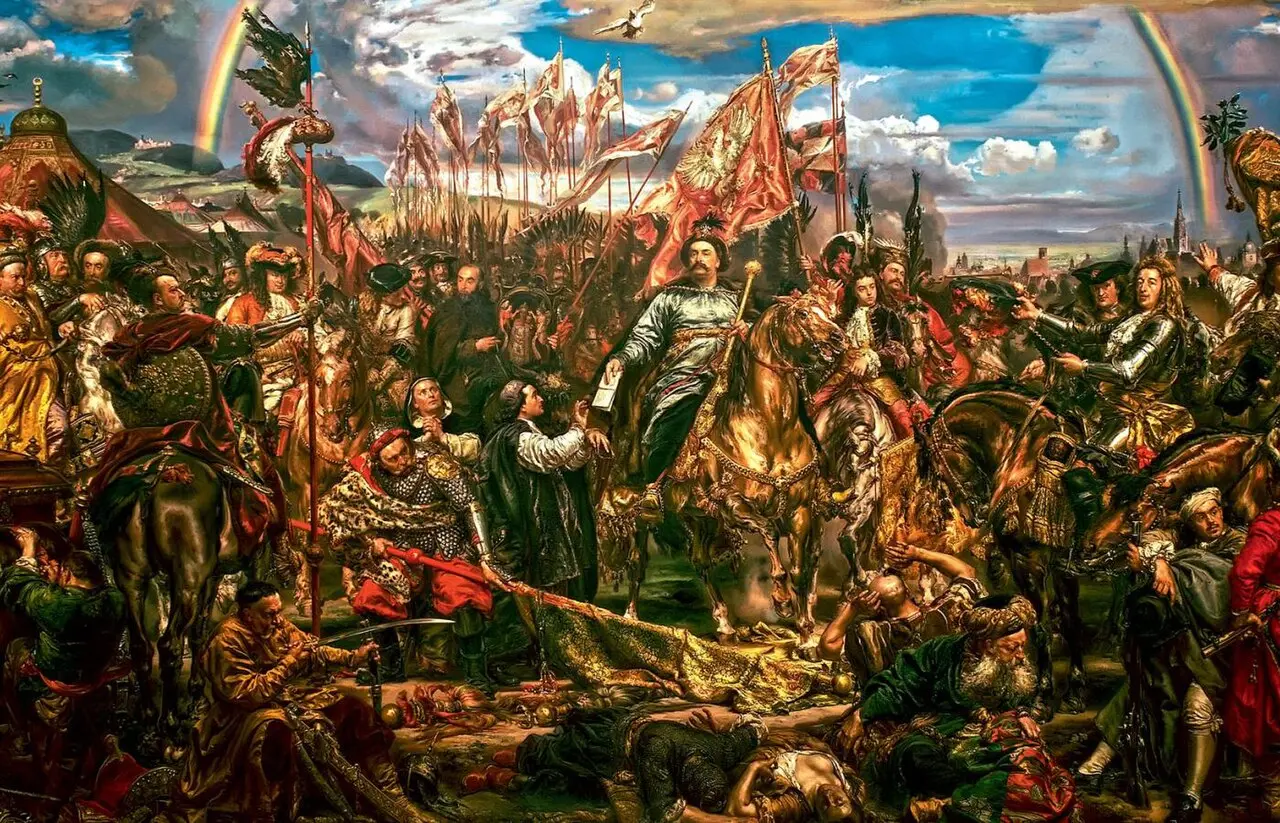
The siege was over. Vienna was saved, and the Ottoman advance into central Europe was broken for good. Sobieski sent word of the victory to the Pope — the moment captured in Jan Matejko's famous painting — and marched home a hero, hailed across the continent as the savior of Christendom.
Historians mark September 12, 1683, as one of the great turning points of European history: the high-water mark of Ottoman expansion, and the day the tide began to turn. In the years that followed, Habsburg armies rolled the Ottoman frontier steadily back through Hungary — the beginning of a long retreat from the gates of Vienna that would reshape the map of southeastern Europe. Empires rarely announce their turning points in advance. This one announced itself with 18,000 horsemen coming down a mountain at five o'clock in the afternoon.
Photo: Jan Matejko's painting of Sobieski sending news of the victory to the Pope, public domain, via Wikimedia Commons.