
Chernobyl: The Night Reactor 4 Exploded
On April 26, 1986, Reactor 4 at Chernobyl exploded during a safety test, triggering the worst nuclear disaster in history.
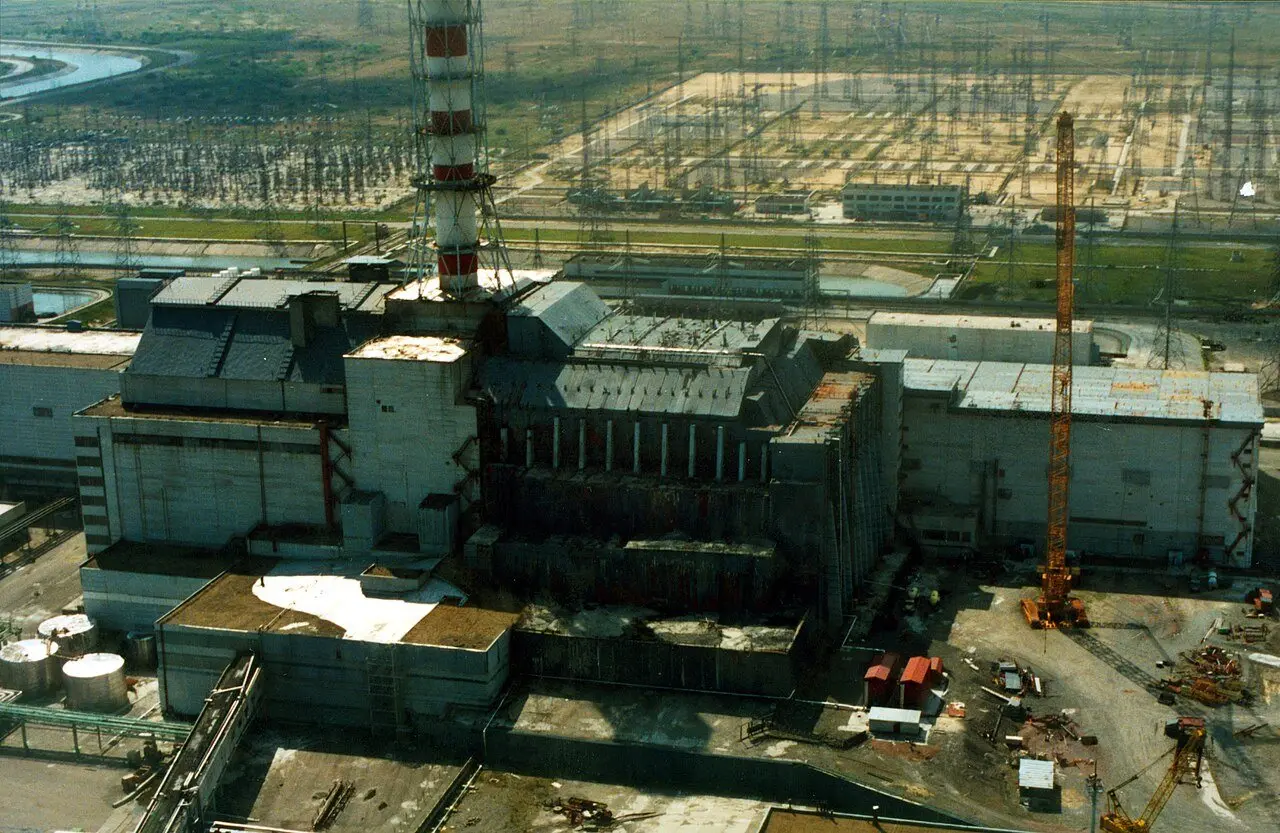
At twenty-three minutes past one on the morning of April 26, 1986, a button that was supposed to shut down a nuclear reactor did the opposite. Inside the control room of Reactor 4 at the Chernobyl Nuclear Power Plant in northern Ukraine, operators watched in horror as power levels surged far beyond anything the reactor was designed to handle. Seconds later, two explosions tore the roof off the building and threw burning chunks of the reactor core into the night sky.
The disaster had begun as a routine safety test. Reactor 4 was being shut down for maintenance, and the crew wanted to see whether the plant's spinning turbines could keep the cooling pumps running for a short time during a power blackout. But the test had been delayed, and by the time it ran, the reactor was in an unstable, low-power state the operators did not fully understand. Trying to recover, they pulled out nearly all of the control rods — the brakes of a nuclear reactor.
When they finally pressed the emergency shutdown button, everything went wrong at once. The reactor was a Soviet-designed RBMK model with known flaws: its control rods had graphite tips that briefly increased reactivity when inserted, and its design had a dangerous "positive void coefficient," meaning that as cooling water turned to steam, the reactor grew more powerful instead of less. The result was a runaway chain reaction — an enormous power surge that ruptured the reactor vessel and blew the building apart.
The exposed graphite core caught fire, and for days a plume of radioactive material drifted over the Soviet Union and Europe. Dozens died in the immediate aftermath, including firefighters and plant workers who battled the flames and debris. Estimates of the long-term health toll vary widely and are still debated by scientists today.
The Soviet government's first instinct was secrecy. Pripyat, the city of about 49,000 built to serve the plant, was not evacuated until 36 hours after the explosion. Moscow said nothing publicly for two days — the world only learned of the catastrophe when instruments in Sweden picked up elevated radiation levels. Eventually more than 100,000 people were evacuated from a 30-kilometer exclusion zone, and the cleanup effort drew in more than half a million workers.
Chernobyl remains the worst nuclear disaster in history — one of only two accidents ever rated at the maximum severity on the international nuclear event scale, the other being Fukushima in 2011. It forced a global reckoning over reactor safety and slowed the expansion of nuclear power for years. And the cover-up became a catalyst for glasnost, Mikhail Gorbachev's policy of openness, which opened the door to the reforms that would eventually bring down the Soviet Union itself. Today the ruined reactor sits entombed in concrete — the sarcophagus visible in this 2007 photograph — inside an exclusion zone where, in the absence of people, wildlife and forest have reclaimed the abandoned towns.
Photo: Vadim Mouchkin / IAEA Imagebank, CC BY-SA 2.0 (via Wikimedia Commons).