
"Ladies and Gentlemen, Rock and Roll": MTV Goes on the Air
On August 1, 1981, MTV signed on at 12:01 a.m. with the words "Ladies and gentlemen, rock and roll" — and the first video ever aired was the Buggles' "Video Killed the Radio Star."
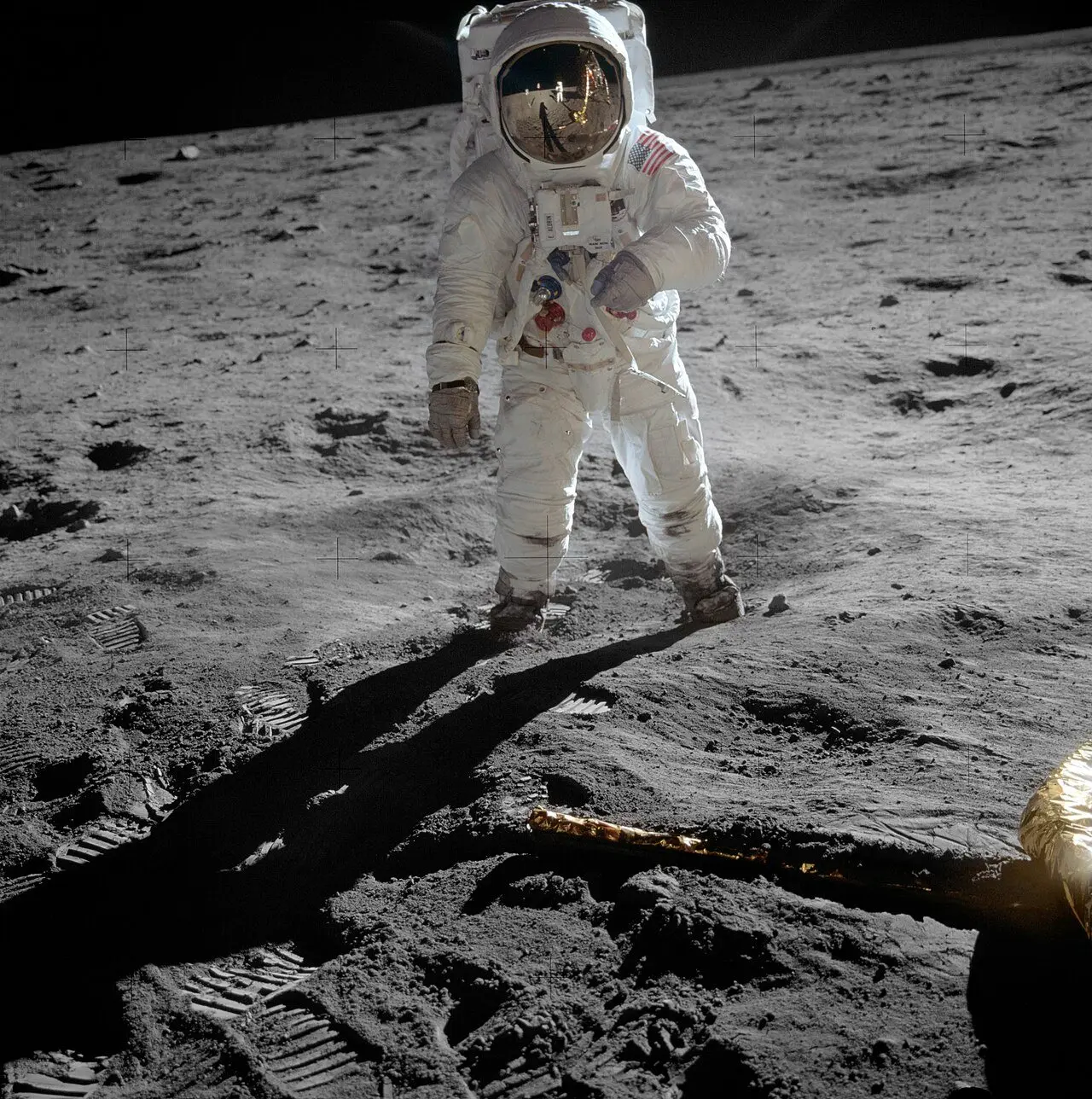
Just after midnight on August 1, 1981, television viewers in a few corners of New Jersey saw something no one had ever seen before. A rocket lifted off, footage of the Apollo 11 moon landing flickered across the screen, an astronaut planted a flag bearing a strange new logo — and then a voice declared, "Ladies and gentlemen, rock and roll." A brand-new cable channel called MTV, short for Music Television, had just signed on for the very first time. Nothing about popular music would ever be the same.
The channel was an enormous gamble. MTV was the first television network devoted entirely to music videos, broadcasting around the clock. Its programming was disarmingly simple: short promotional films supplied free of charge by record companies, introduced by cheerful hosts called "video jockeys," or VJs. At launch, only a handful of cable systems carried the channel, all in parts of New Jersey — it wasn't even available in New York City. The five original VJs — Mark Goodman, Nina Blackwood, Alan Hunter, Martha Quinn, and J.J. Jackson — reportedly huddled together in a New Jersey bar that night, watching their own network's birth on a single television set and praying it would work.
The choice of the first video was either a joke or a prophecy. At 12:01 a.m., moments after co-founder John Lack spoke those famous opening words over the moon-landing footage, MTV aired the Buggles' "Video Killed the Radio Star." The British new-wave duo of Trevor Horn and Geoff Downes had written the song in 1978 with Bruce Woolley as a meditation on how technology — television, the VCR, the cassette — was transforming music. It had topped the charts in sixteen countries, reaching number one in Britain in October 1979, yet it had stalled at number 40 on the American Billboard chart that December. Now it was making a statement about television's power to reshape the music business all over again. The second video ever aired was Pat Benatar's "You Better Run."
What happened next astonished even the believers. Cable operators had been hesitant, so MTV turned its viewers into an army of lobbyists with the now-legendary "I Want My MTV" campaign. As the channel spread across the country, the record industry woke up to its power as a promotional machine and began pouring money into ambitious, cinematic videos. In the 1980s, MTV's heavy rotation made superstars of Madonna, Michael Jackson, Prince, and Duran Duran. It gave the world the premiere of Jackson's "Thriller," carried sixteen straight hours of the Live Aid concerts in 1985, and launched the film careers of directors like Spike Jonze and Michel Gondry, who got their starts making music videos.
MTV proved that how music looked mattered as much as how it sounded. The visual era of pop music — the era of the image, the concept video, the larger-than-life persona — began at one minute past midnight on a summer night in 1981, when a cable channel nobody had heard of promised ladies and gentlemen nothing less than rock and roll.
Photo: NASA, public domain (via Wikimedia Commons).