The Night a Prairie Lawyer Won the Presidency — and Broke a Nation in Two
On November 6, 1860, Abraham Lincoln won the presidency with less than 40 percent of the vote — and the South began packing to leave.
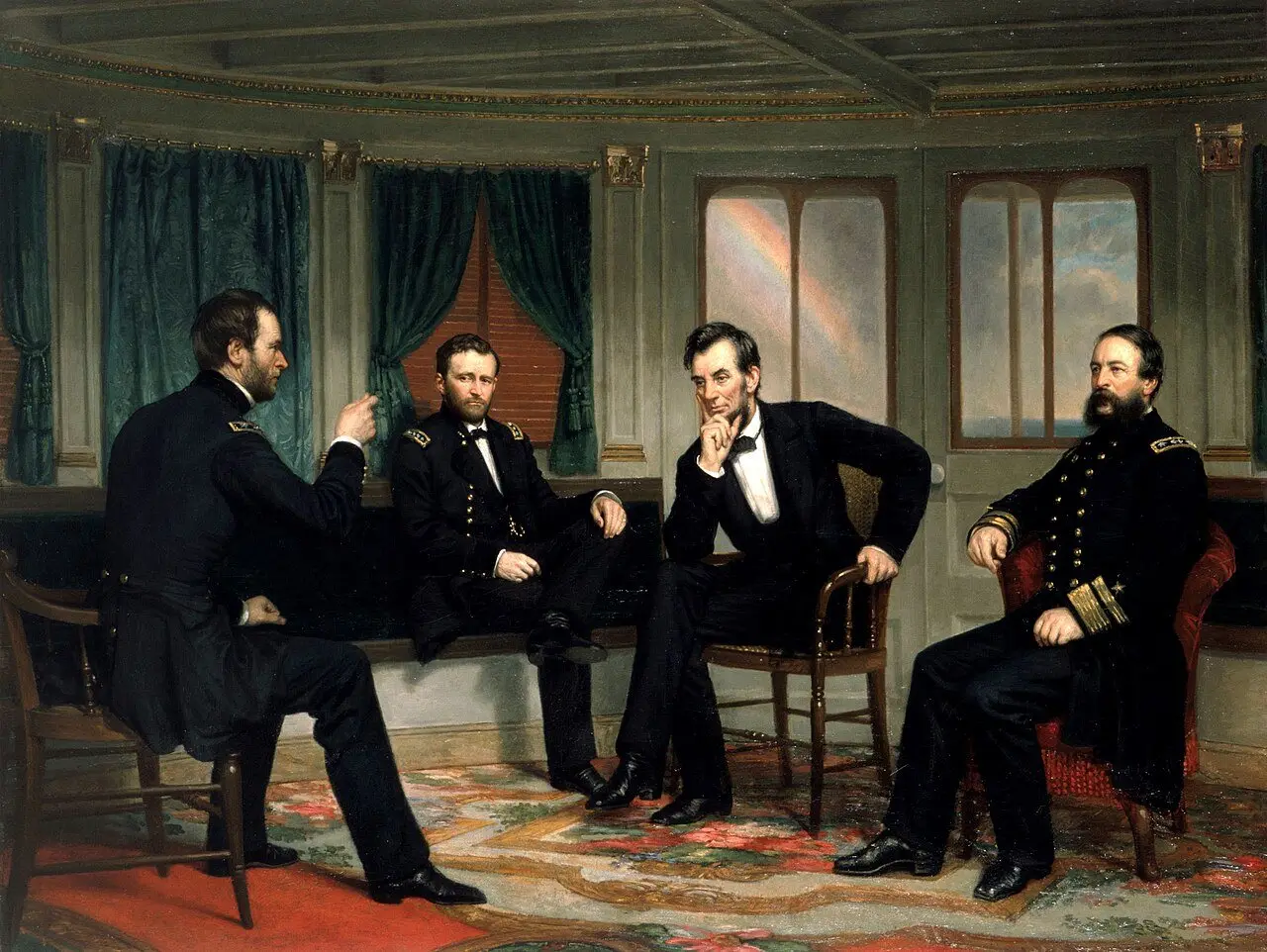
Abraham Lincoln, tall and plain-spoken, had no business winning the White House. He was a gangly, one-term former congressman from Illinois who had lost a Senate race just two years earlier, and even his own party's convention in Chicago had nearly chosen someone else — the better-known New Yorker William H. Seward. Yet on the night of November 6, 1860, that unlikely outsider was elected the 16th president of the United States — and the country he was about to inherit began coming apart before he could even take office.
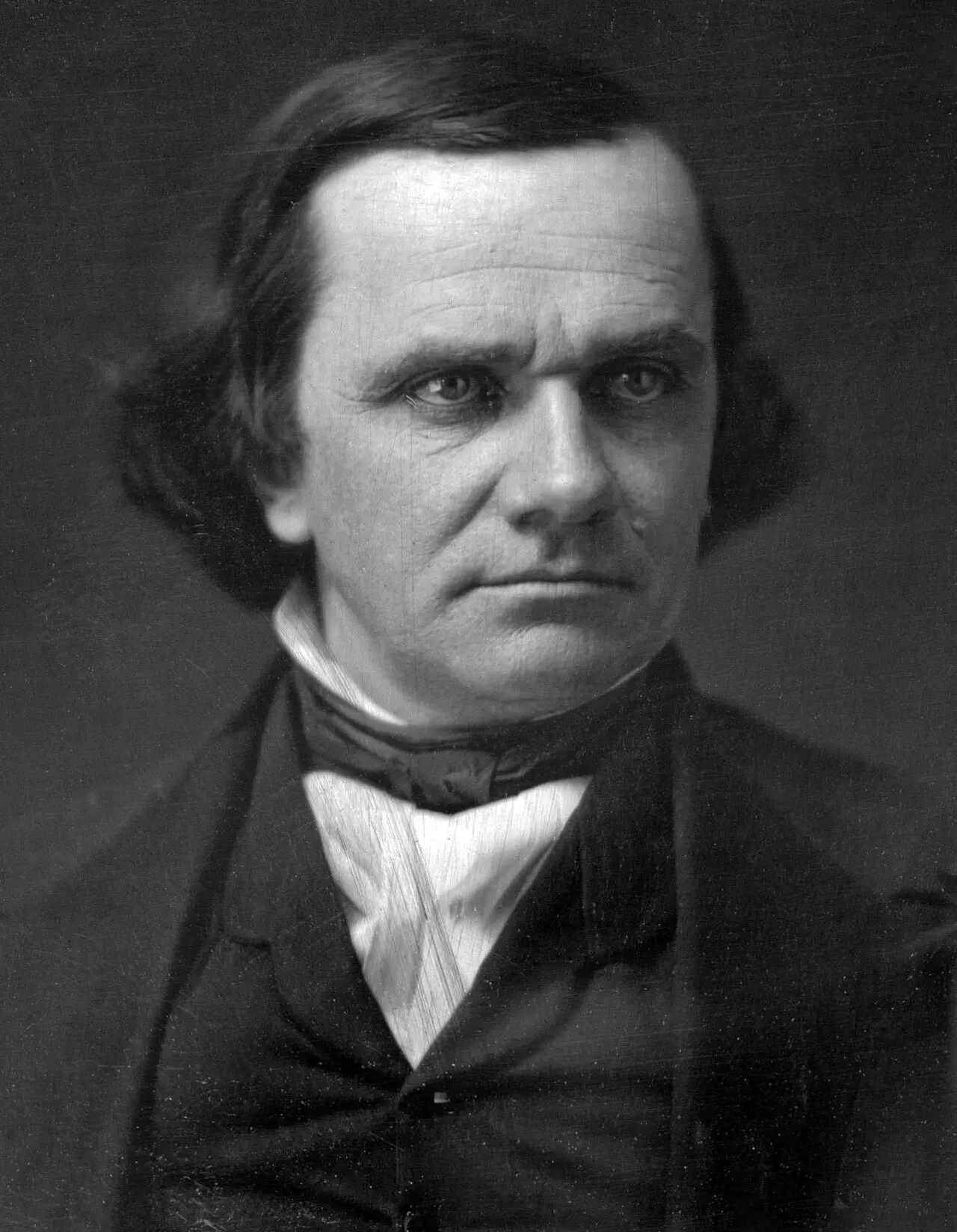
The campaign had been a circus. The Democratic Party, the nation's dominant party, had torn itself in two: Northern Democrats backed Lincoln's old debate rival Stephen A. Douglas, while Southern delegates walked out and nominated the sitting vice president, John C. Breckinridge. A fourth ticket, the Constitutional Union Party, nominated Tennessee's John Bell and promised to save the Union by refusing to talk about slavery at all. America was voting on four different futures at once.
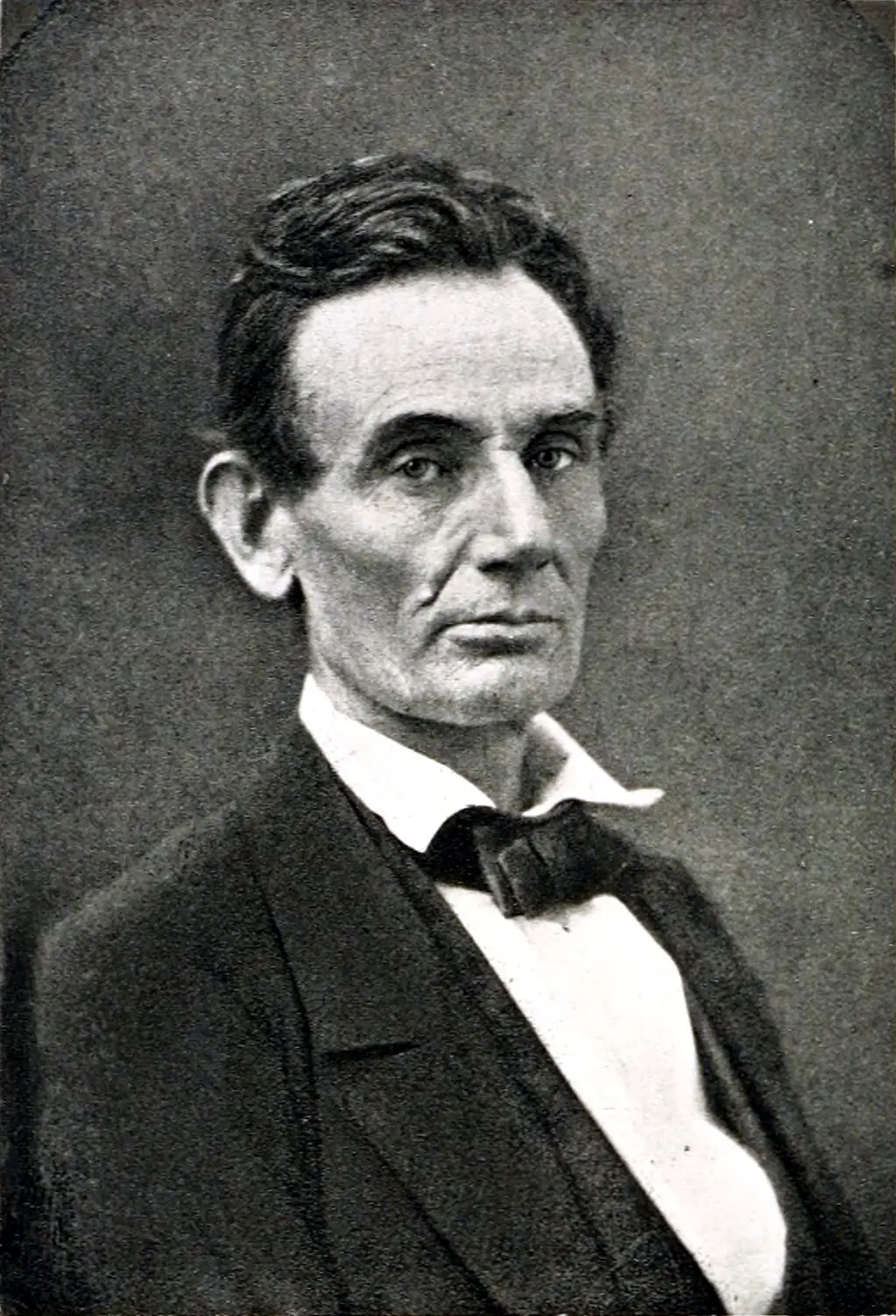
Lincoln, by the custom of the day, barely campaigned in person. He stayed home in Springfield, Illinois, watched the returns, and let Republican allies hold the rallies and torchlight parades — his running mate was Hannibal Hamlin, a senator from Maine. When the votes were counted, Lincoln had won just 39.7 percent of the popular vote — roughly six in ten voters had picked someone else — but he carried the North so completely that his 180 electoral votes easily cleared the 152 needed to win. Voter turnout hit an astonishing 81.8 percent, a measure of how much everyone understood was at stake.
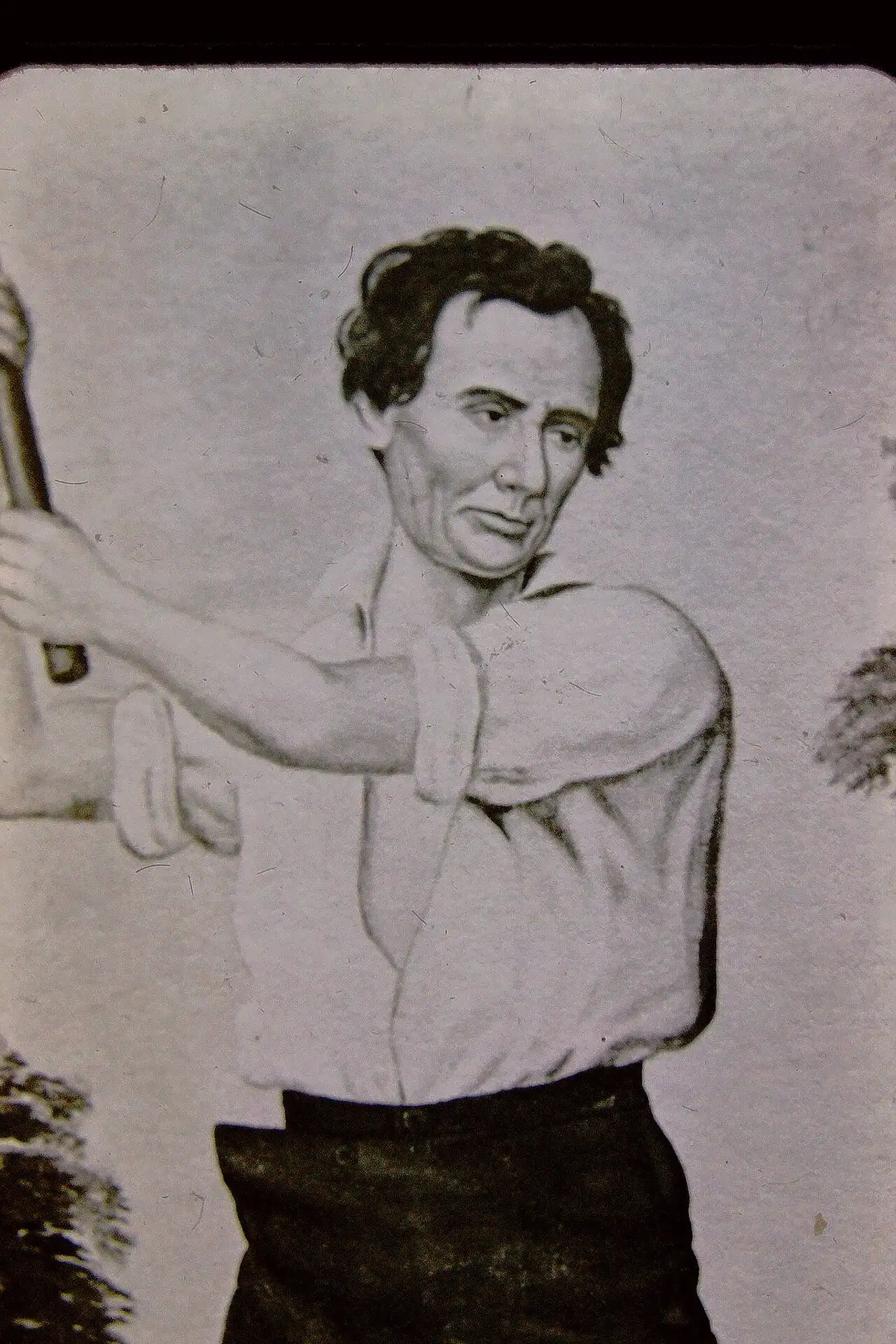
What that victory meant was unmistakable in the South: a president from a party that opposed the spread of slavery, elected without carrying a single Southern state. Six weeks later, on December 20, 1860, South Carolina seceded. Six more states followed before Lincoln took the oath of office in March 1861. The war that followed killed more than 600,000 Americans — and finally ended slavery. It was, in a very real sense, triggered by an election result. Few votes in American history have carried such immediate and terrible consequences — or such an extraordinary redemption in the leader the crisis revealed.
Lincoln himself would pay the ultimate price for that victory. But his presidency — forged in the crisis his own election created — gave America the Emancipation Proclamation, the Gettysburg Address, and the reunited Union he had promised to preserve.
Photo: George P. A. Healy, public domain (via Wikimedia Commons).
More images (via Wikimedia Commons, public domain): Abraham Lincoln around 1860; an 1860 Lincoln campaign poster (James Guthrie); Stephen A. Douglas (Mathew Brady).