
Ten Little Ships: The Day America Got Its Coast Guard
On August 4, 1790, Congress authorized ten speedy cutters to chase smugglers and collect tariffs — the small fleet that grew into the U.S. Coast Guard.
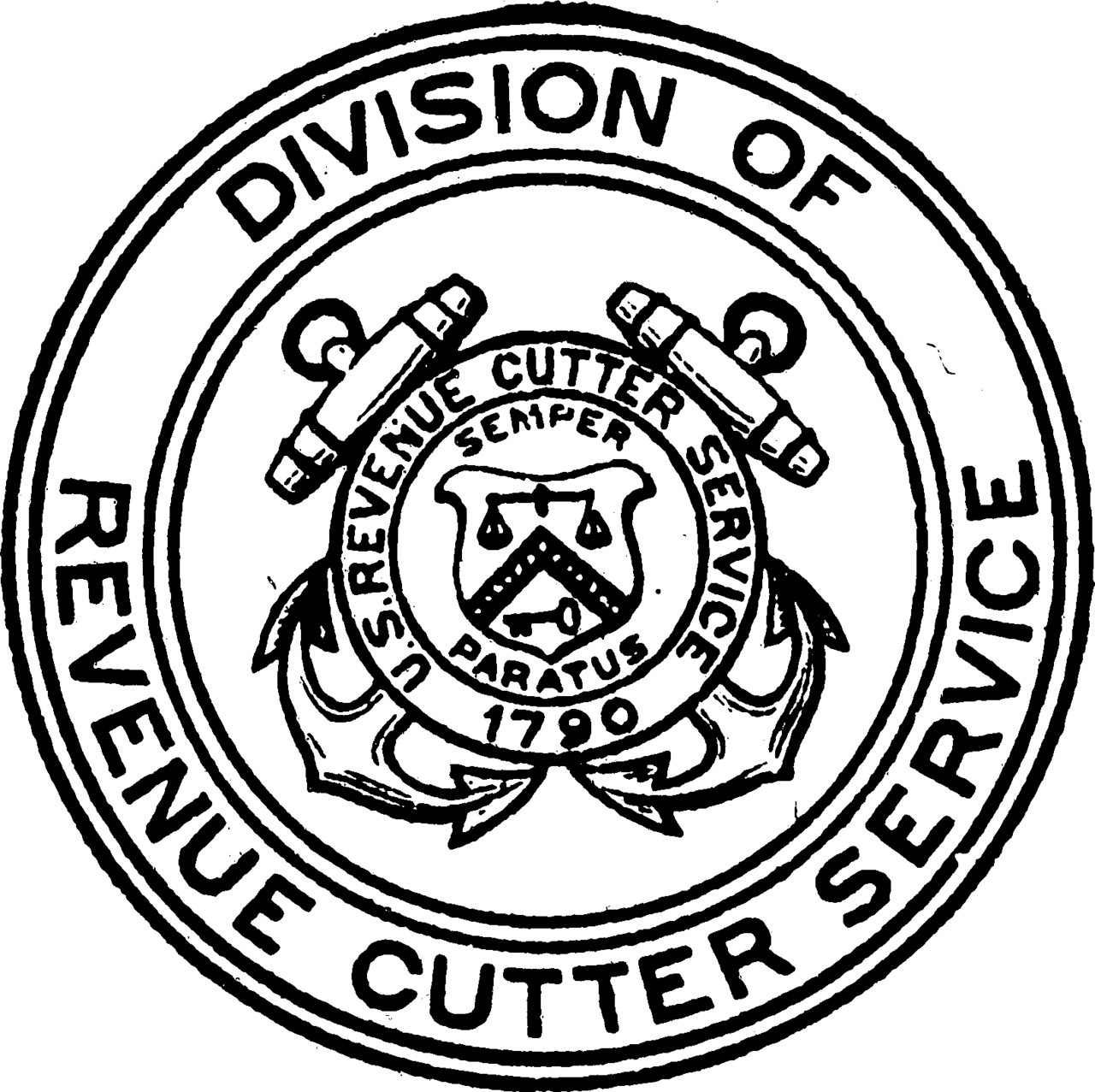
The young United States was broke. The Revolutionary War had left the new nation staggering under debt, and its chief source of income — tariffs on imported goods — was leaking badly. Smugglers slipped ashore under cover of darkness or simply bribed the customs officials, starving the federal government of the revenue it needed to survive. Treasury Secretary Alexander Hamilton, the first man to hold that office under President George Washington, had proposed a solution years earlier. In Federalist No. 12, written in 1787, he argued that "a few armed vessels, judiciously stationed at the entrances of our ports, might at a small expense be made useful sentinels of the laws." On August 4, 1790, Congress made his idea real.
That day, Congress passed the Tariff Act, and President Washington signed it into law, authorizing the construction of ten cutters and the recruitment of forty revenue officers. Each small, swift sailing cutter would carry a master, three mates as commissioned officers, four mariners, and two boys, patrolling the coast from Massachusetts to Georgia. Their orders were narrow and unglamorous: intercept smugglers, direct ships to proper ports of entry, and collect the duties the nation depended on. The little fleet was called the Revenue-Marine — and it is recognized today as the official birthday of the United States Coast Guard.
Those ten ships punched far above their weight. From 1790 until the Navy was permanently established in 1798, the revenue cutters were the nation's only armed force afloat. Their duties kept expanding: fighting pirates, rescuing mariners in distress, carrying mail and government officials, and, beginning in 1794, intercepting vessels engaged in the trade in enslaved Africans — the cutters would capture some 500 slave ships over the following decades. Hamilton insisted that every plank, sail, and musket be American-made, right down to the sailcloth.
The service was renamed the Revenue Cutter Service, and on January 28, 1915, it merged with the U.S. Life-Saving Service to form the modern U.S. Coast Guard, under its enduring motto "Semper Paratus" — "Always Ready." Along the way it also absorbed the Lighthouse Service, gathering rescue, navigation, and law-enforcement duties under one roof. Today that service interdicts drug smugglers, breaks ice in frozen harbors, guards the nation's ports, answers environmental disasters, and plucks the shipwrecked from raging seas — work its crews perform in conditions almost no other agency is equipped to face. It all began with ten little ships, authorized on a summer day in 1790, to catch tax cheats.
Seal of the U.S. Revenue Cutter Service, public domain (via Wikimedia Commons).