Madam Justice: Sandra Day O'Connor Takes Her Seat
On September 25, 1981, Sandra Day O'Connor was sworn in as the first woman to sit on the U.S. Supreme Court, becoming the 102nd justice in its 191-year history.
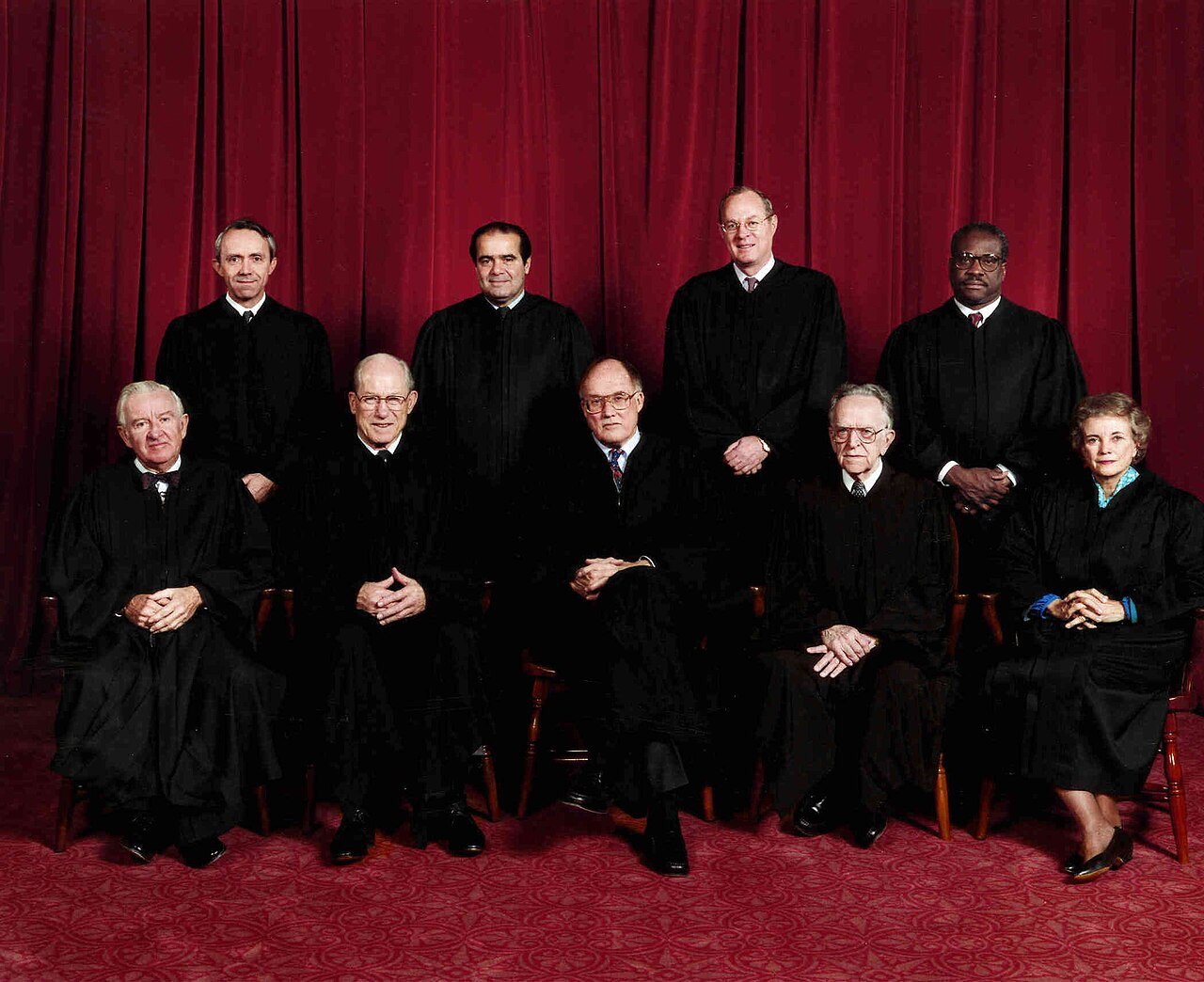
On September 25, 1981, more than 300 dignitaries packed the Supreme Court's ceremonial courtroom — including Vice President George H.W. Bush — to watch history happen. Chief Justice Warren Burger administered two oaths to the woman standing before him, and Sandra Day O'Connor became the 102nd justice of the Supreme Court — and the first woman ever to hold the job, in the Court's 191-year history.
O'Connor had spent her whole life being first at things nobody expected of her. She grew up on her family's Lazy B cattle ranch in the Arizona desert, branding calves and mending fences. She entered Stanford University at sixteen and finished law school in just two years, graduating near the top of her class in 1952. Then she hit a wall: no law firm would hire a woman. The only offers she received were for secretarial work.
She refused to be a secretary. She took a job as a deputy county attorney in California, opened her own small law practice in Arizona, and then entered politics — assistant attorney general of Arizona, then a state senator, where she became the first woman in American history to serve as a majority leader of a state senate. She was elected a county judge in 1974 and appointed to the Arizona Court of Appeals in 1979. Step by step, she had built one of the most formidable resumés ever presented for the nation's highest court.
In his 1980 campaign, Ronald Reagan had promised to appoint a woman to the Supreme Court at his first opportunity. On July 7, 1981, he nominated O'Connor. The Senate confirmed her unanimously, 99 to 0, on September 21 — and four days later she took her seat.
Over the next quarter century, O'Connor became the Court's pivotal swing vote, her careful opinions deciding some of the most consequential cases of the era, from Bush v. Gore to Planned Parenthood v. Casey, where her vote preserved the core of Roe v. Wade. She retired in early 2006 and died in 2023 at the age of 93.
When O'Connor graduated from law school, women made up only a tiny fraction of the legal profession; the Senate vote that confirmed her was a signal that the highest court in the land was finally open to all. By 2012, three women sat on the Court at once — a sight unimaginable on the September day O'Connor first took her oath. She didn't just break a glass ceiling; she held the door open behind her.
Photo: U.S. Supreme Court, public domain (via Wikimedia Commons).