"While I Strongly Disagree, I Accept It"
On December 13, 2000 — 36 days after the election — Al Gore conceded the presidency to George W. Bush, a day after the Supreme Court's 5–4 decision in Bush v. Gore ended the Florida recount.
For 36 days after the polls closed on November 7, 2000, the United States did not know who its president was.
The election had come down to Florida and its 25 electoral votes. Out of nearly six million ballots cast in the state, the margin between Texas Governor George W. Bush and Vice President Al Gore was only a few hundred votes. Florida law triggered a machine recount, and then the real chaos began: the infamous "butterfly ballot" in Palm Beach County that confused voters into punching the wrong hole, and punch-card ballots with hanging and dimpled "chads" that left county officials squinting at cards to guess voters' intent. Gore's team demanded manual recounts in Democratic-leaning counties; Bush's team fought them in court. Florida's secretary of state certified Bush the winner in late November — but the lawsuits had only just begun.
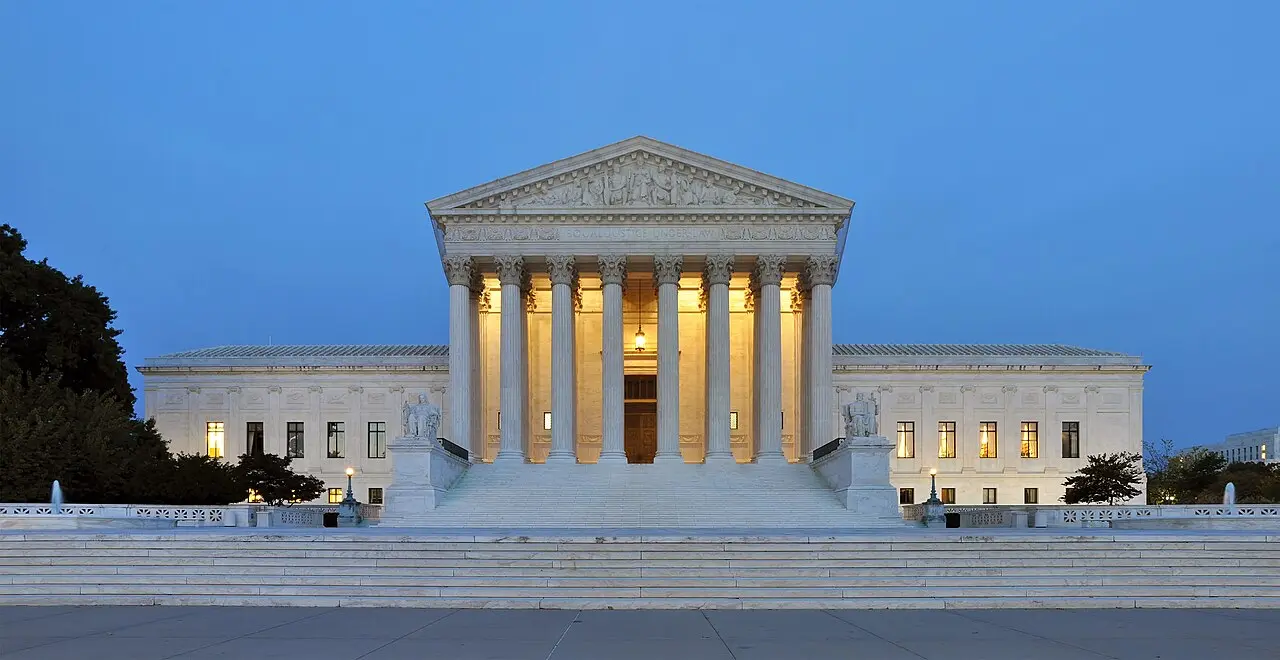
The Florida Supreme Court ordered a statewide manual recount of undervotes on December 8. The next day, the U.S. Supreme Court, by 5–4, halted the recount, and on December 11 the justices heard arguments in Bush v. Gore. On the night of December 12, just after 10 p.m. Eastern, the Court issued its decision: by 7–2, the varying local standards for judging ballots violated the Constitution's guarantee of equal protection — and by 5–4, the majority said no recount could be completed before the federal "safe harbor" deadline of midnight that same day. The decision carried an unusual instruction: it should be "limited to the present circumstances," not treated as a precedent.
The next evening, December 13, Al Gore faced the cameras in Washington and conceded a second time — he had first conceded on election night, then retracted it as the recount began. "While I strongly disagree with the court's decision, I accept it," he said. From Austin, Texas, George W. Bush addressed the nation that same night and accepted the presidency he had effectively won with Florida's electors: 271 electoral votes to Gore's 266, even though Gore had won the national popular vote by more than half a million ballots.
It was the first American presidential election decided by the Supreme Court, and it tested whether a bitterly divided country could transfer power peacefully anyway. It did. The fallout reshaped how America votes — Congress passed the Help America Vote Act, and punch cards began their exit — but the deeper questions the fight raised, about the Electoral College and the machinery of democracy, are still being argued today.
Photo: Joe Ravi, CC BY-SA 3.0 (via Wikimedia Commons).