The Senate Vote That Doubled America
On October 20, 1803, the U.S. Senate voted 24–7 to ratify the Louisiana Purchase, doubling the size of the nation for $15 million.
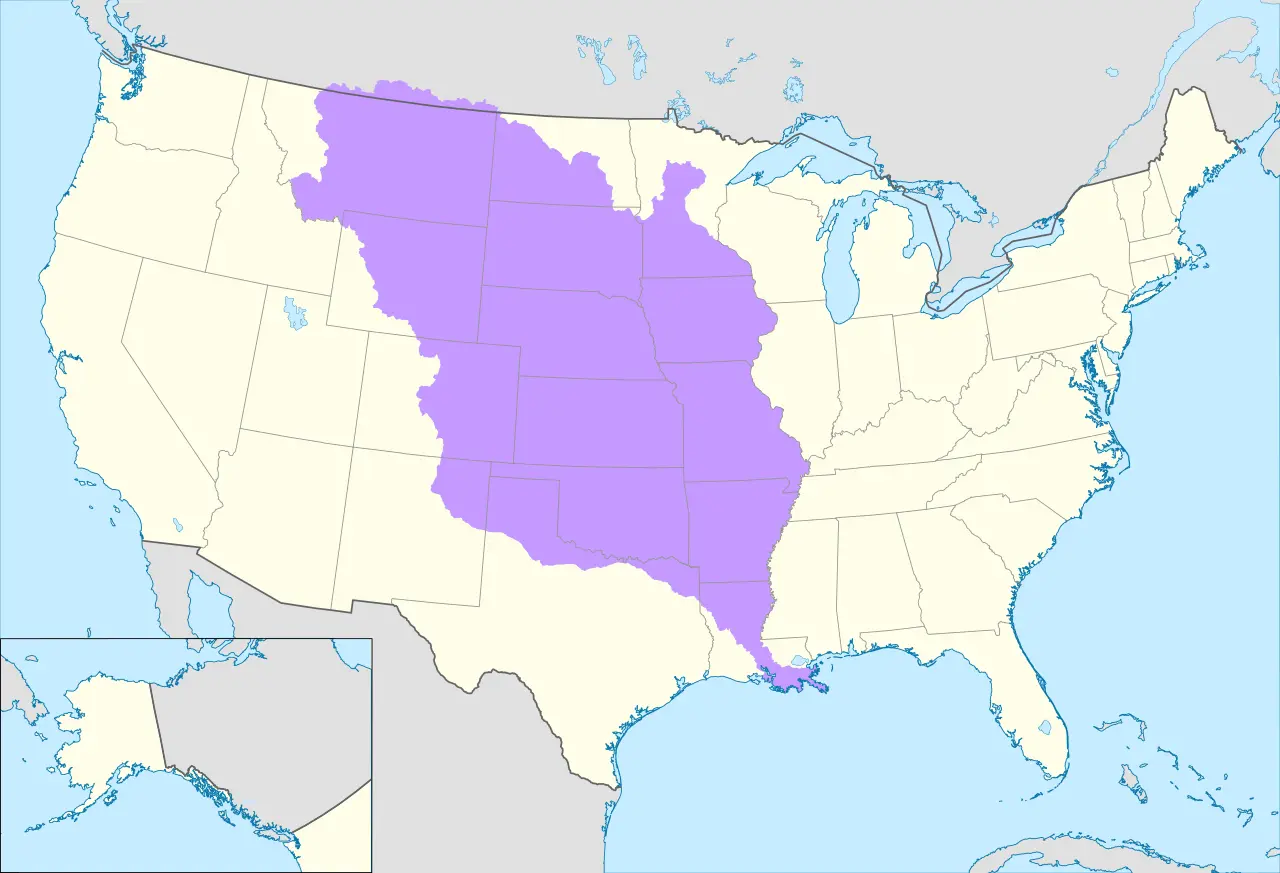
On October 20, 1803, the United States Senate took a vote that redrew the map of North America. By 24 to 7, the Senate ratified the treaty purchasing Louisiana from France — some 828,000 square miles of territory for $15 million, about four cents an acre. In a single afternoon, the young nation doubled in size.
The deal had been struck in Paris that spring. American envoys Robert Livingston and James Monroe, sent to buy the port of New Orleans, were stunned when Napoleon's minister offered the entire French claim west of the Mississippi. The treaty was signed on April 30, 1803. Napoleon, facing a looming war with Britain and fresh from the disaster of his army in Haiti, needed cash and could not defend a distant colony. He sold it all.
President Thomas Jefferson was privately uneasy. A strict believer that the federal government could do only what the Constitution expressly allowed, he admitted the Constitution said nothing about acquiring foreign territory — and he went ahead anyway, reasoning that the opportunity was too great to lose. His critics called it an act beyond the Constitution; Jefferson decided the nation's future was worth the stretch.
The Senate agreed. After the October 20 vote, the purchase was complete, and within months Jefferson would dispatch Meriwether Lewis and William Clark to explore what he had bought. The expedition's maps and journals would open the American West.
The triumph had a shadow the senators did not debate. The land was not empty: it was home to Native nations who had not been consulted, and whose dispossession would follow in the decades to come. The purchase doubled the country; it also set the terms of a century of conflict.
The opposition was fierce. Federalists warned the purchase was unconstitutional, too expensive, and would admit a vast wilderness that could never be governed. Jefferson's own Treasury secretary worried about the debt. But the president pressed ahead, and after the Senate's ratification the House voted the funds — the deal was done, the money borrowed largely from European banks.
Why it matters: the Louisiana Purchase remains the largest peaceful acquisition of territory in American history. It made the United States a continental nation, secured the Mississippi River — the great commercial artery of the interior — and set the stage for everything from the Lewis and Clark expedition to the settling of the West.
Photo note: this map shows the extent of French Louisiana in 1803, the territory transferred to the United States. Map: Milenioscuro, CC BY-SA 4.0, via Wikimedia Commons.