
The Night America Lost Lincoln
On April 14, 1865 — five days after Lee's surrender — actor John Wilkes Booth shot President Abraham Lincoln at Ford's Theatre, making Lincoln the first U.S. president assassinated.
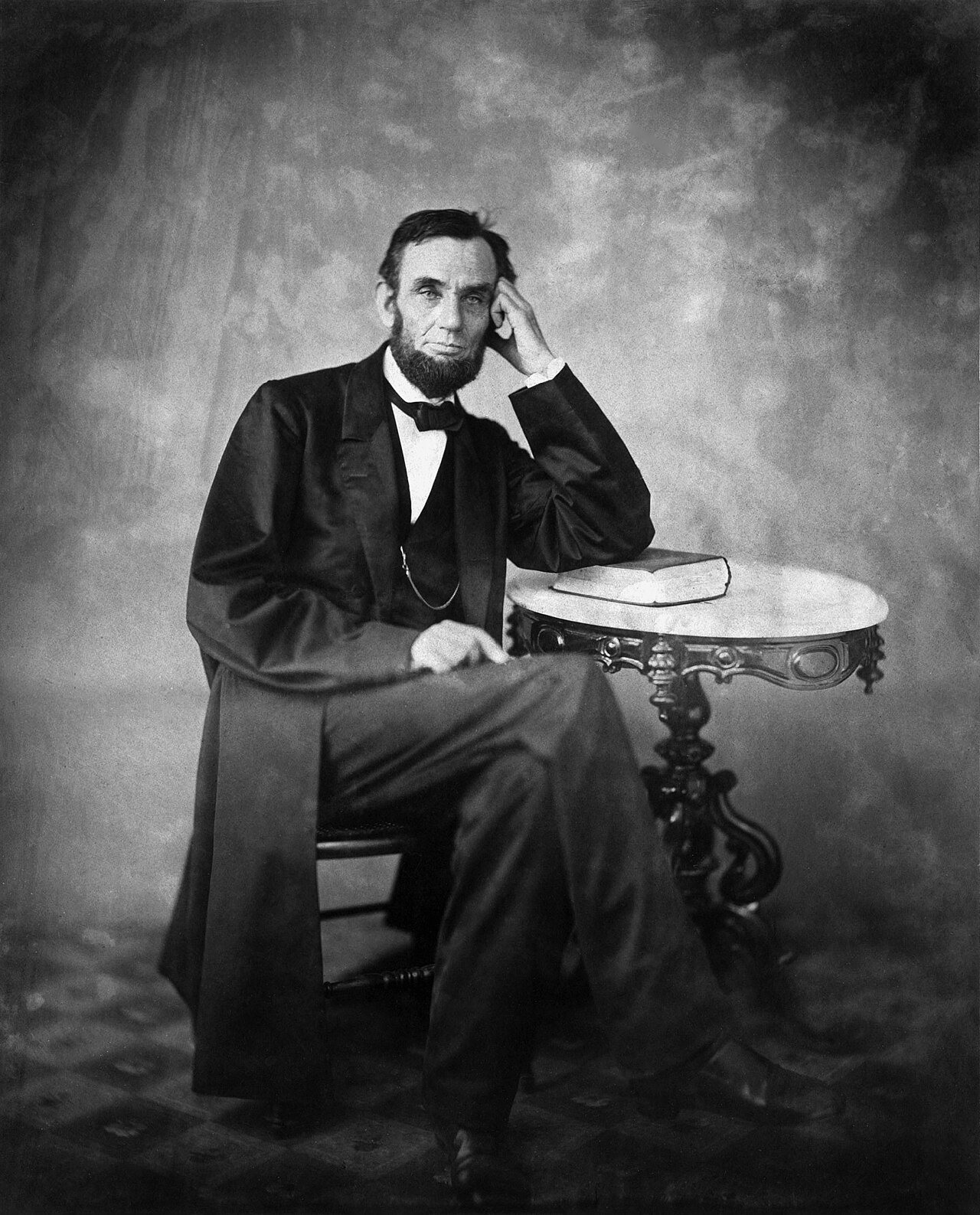
Five days earlier, Robert E. Lee had surrendered at Appomattox, and Washington was celebrating what felt like the end of four years of Civil War. On the evening of April 14, 1865, President Abraham Lincoln — one month into his second term — decided to take in a comedy at Ford's Theatre. The play was Tom Taylor's Our American Cousin. In the presidential box sat Lincoln, his wife Mary Todd Lincoln, Major Henry Rathbone, and Rathbone's fiancée, Clara Harris.
Just after 10 p.m., John Wilkes Booth slipped into the box. Booth was a famous actor, a celebrity of the American stage — and a bitter Confederate sympathizer. He drew a derringer and fired into the back of Lincoln's head. When Rathbone lunged at him, Booth slashed him with a knife, then vaulted over the box railing onto the stage. His boot spur caught on a flag draped over the rail; he landed hard, breaking a bone in his leg. Bleeding and limping, he escaped through the back of the theater and vanished into the night on horseback.
The theater held some 1,700 people that night. Among them was a five-year-old boy named Samuel J. Seymour, who would live until 1956 and claim to be the last living witness to what happened next. A doctor in the audience, Charles Leale, rushed to the box. The unconscious president was carried across Tenth Street to the Petersen House, a boarding house opposite the theater. Doctors worked through the night, but the wound was mortal. Nine hours later, at 7:22 a.m. on April 15, Abraham Lincoln died — the first American president to be assassinated.
It had been a coordinated plot. That same evening, conspirator Lewis Powell forced his way into the home of Secretary of State William H. Seward and seriously wounded him, while George Atzerodt — assigned to kill Vice President Andrew Johnson — lost his nerve and fled. Booth had hoped that decapitating the federal government would revive the Confederate cause. Instead he got the largest manhunt in American history to that point: twelve days later, on April 26, soldiers cornered Booth at a Virginia tobacco farm, where he was fatally shot after refusing to surrender. His fellow conspirators were hanged that July.
Lincoln died with Reconstruction barely begun and the nation's wounds still open — and his death shaped everything that followed. Ford's Theatre, shuttered after the shooting, is today a museum and working theater, preserved with the Petersen House as a national historic site. On a night meant for laughter, five days after the war's decisive surrender, America learned that even its most beloved president could be struck down in an instant — and that the work of binding the nation's wounds would have to go on without him.
Photo: Alexander Gardner, 1863, public domain (via Wikimedia Commons). A portrait of Lincoln taken two years before the assassination, shown as an illustration.