Seward's Folly: The Day America Bought Alaska for Two Cents an Acre
On October 18, 1867, the Russian flag came down and the Stars and Stripes went up over Sitka — sealing one of the shrewdest bargains in American history.
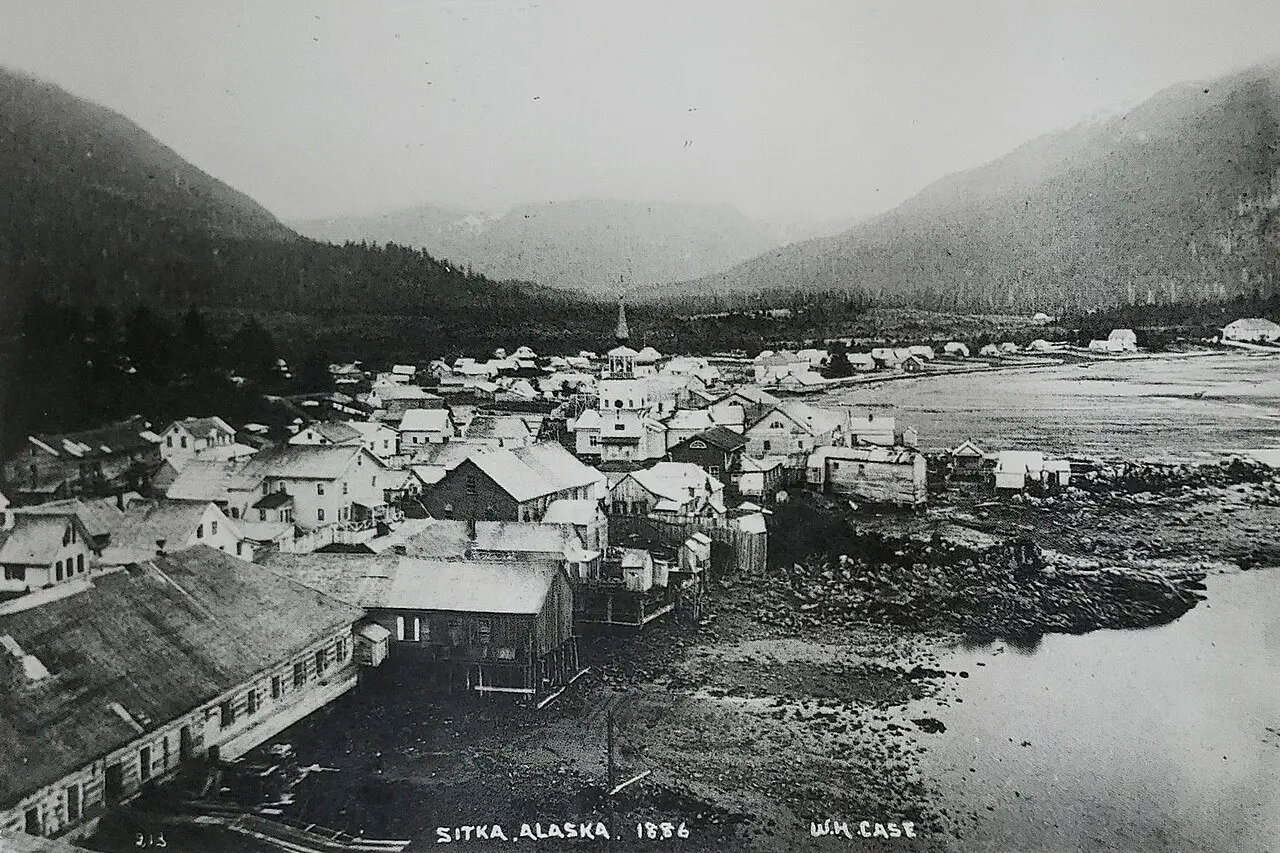
It happened at precisely half past three in the afternoon, on a windswept hill at the edge of the map. A company of Russian soldiers and a company of American ones stood at attention in the gray October light. Two flags, a warship's worth of cannon fire, and a single sentence from a Russian captain — and a frozen wilderness that critics had mocked as worthless became American soil.
The deal had been struck half a year earlier. On March 30, 1867, after a long late-night negotiating session, Secretary of State William H. Seward and the Russian minister Eduard de Stoeckl signed a treaty selling Russian America to the United States for $7.2 million — about two cents an acre. The Senate ratified the treaty, but the House of Representatives held up the money for more than a year as newspapers jeered at "Seward's Folly" and "Andrew Johnson's Polar Bear Garden." Who, the critics demanded, pays real money for an iceberg?
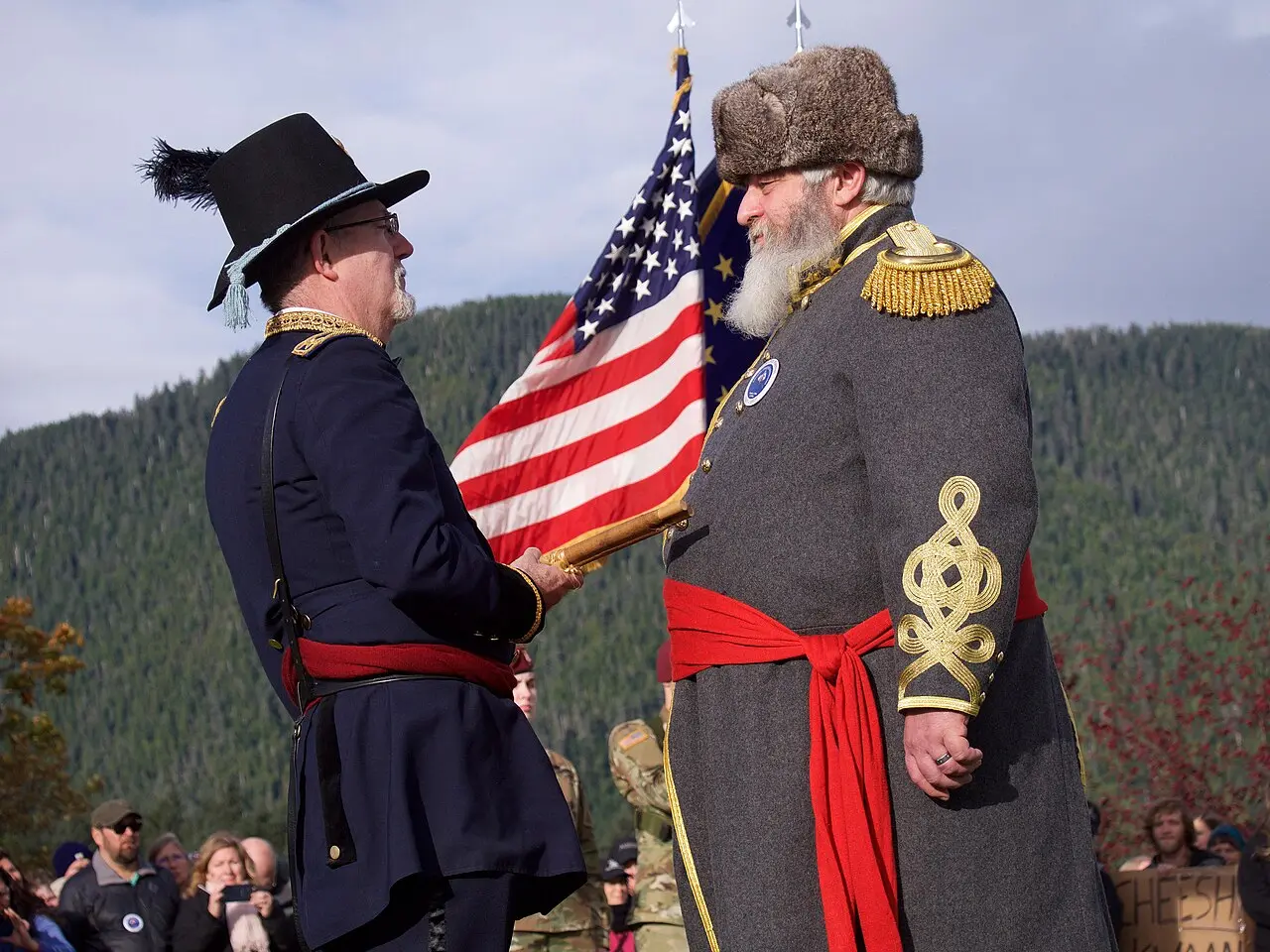
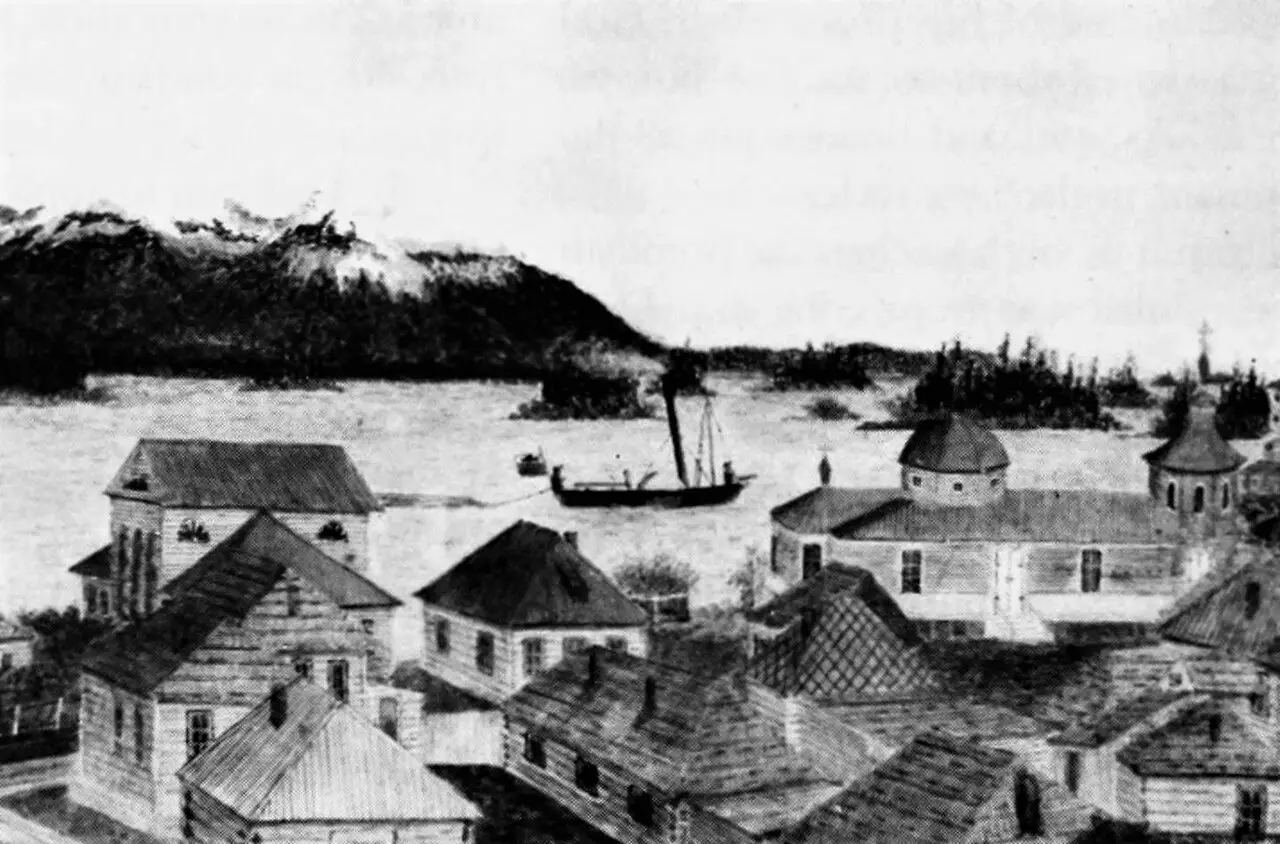
But a deal is only finished when the flag changes. On the morning of October 18, 1867, some 250 American troops and about 100 Russian soldiers and dignitaries gathered on Castle Hill in Sitka, the capital of Russian America. American commissioner General Lovell Rousseau stood for the United States; Captain Aleksei Peshchurov stood for the Russian emperor. Rousseau later wrote the scene down in a dispatch to Seward: at half past three the troops were brought to present arms, the signal was given to the warship Ossipee, and the Russian flag came down. Then the Stars and Stripes — hoisted, as it happened, by Rousseau's own son and private secretary — began its climb.
As the American flag reached the top, the Ossipee's guns thundered a salute, answered by the Russian shore batteries, the sound reverberating off the mountains. Then Captain Peshchurov stepped forward and spoke the sentence that ended an era: "General Rousseau, by authority from his Majesty the Emperor of Russia, I transfer to the United States the Territory of Alaska." In a few words, Rousseau accepted — and the ceremony was over.
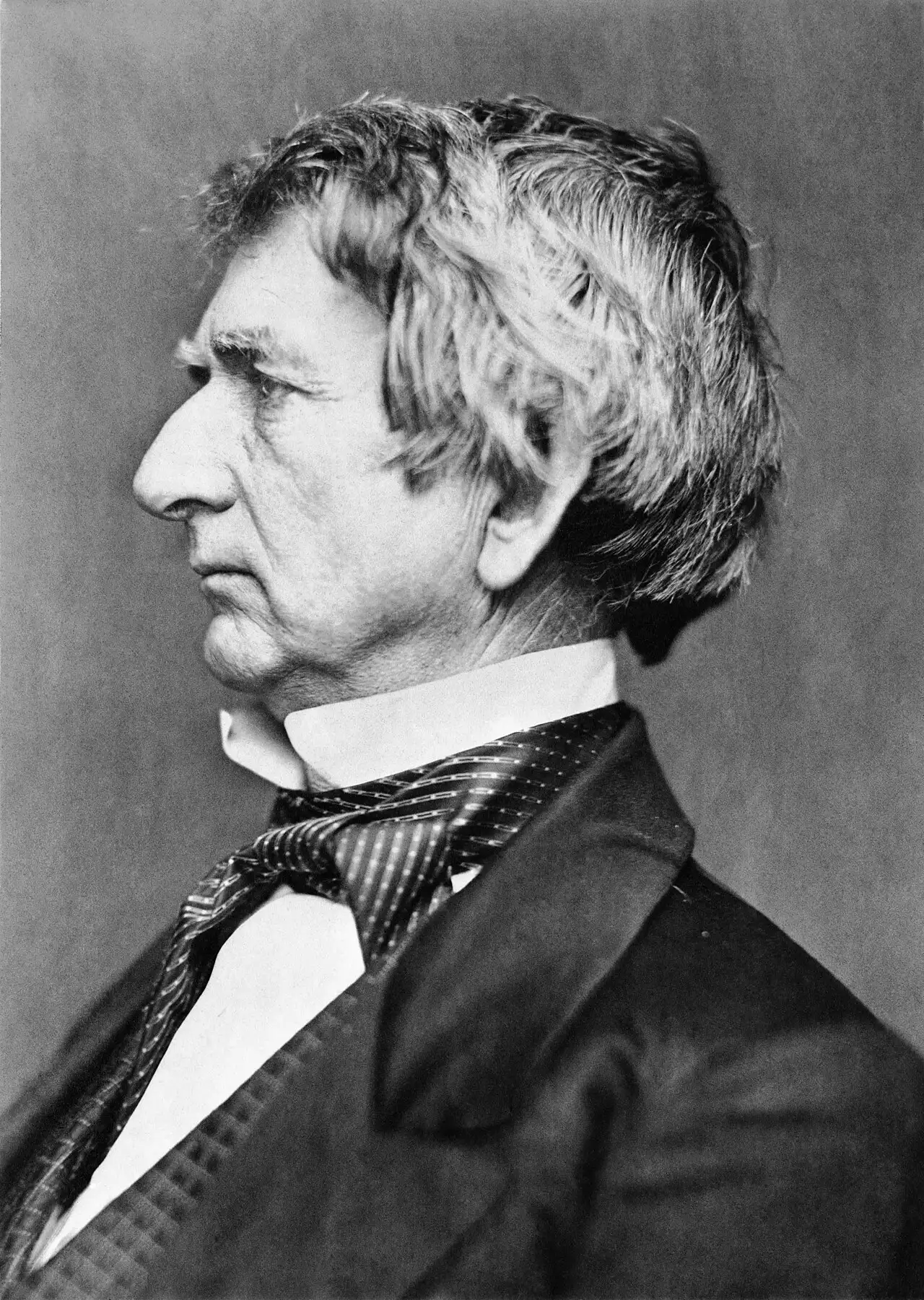
Russia had its reasons for selling. After its defeat in the Crimean War in 1856, St. Petersburg feared losing Alaska to Britain's Canadian colonies outright, and the distant territory was expensive to defend. Seward had his own reasons for buying: he saw Alaska as part of America's destiny on the Pacific, and a check on British power in the north. The Indigenous peoples of Alaska — who had never been consulted — were simply not part of the transaction; their claims would wait more than a century for the law to begin catching up.
What the United States got that afternoon was 586,412 square miles — nearly twice the size of Texas. The doubters had their decade of laughter, and then the territory began to pay them back: the Gold Rush of the 1890s, the great fisheries, the timber, the oil fields, and a strategic position that mattered enormously in World War II. Alaska became a territory in 1912 and a state in 1959. Every October 18, the state still celebrates Alaska Day, and in Sitka the flag exchange is reenacted on Castle Hill — exactly where, a century and a half ago, one flag came down and another went up.
Photo: William H. Case, public domain (via Wikimedia Commons).
More images (via Wikimedia Commons, public domain): the Alaska Day flag exchange reenacted at Sitka, 2017 (U.S. Army photo by Sgt. David Bedard); William H. Seward portrait; Sitka, around 1843.